
World
Hollywood Faces Criticism for Silence on Iran’s Human Rights Crisis

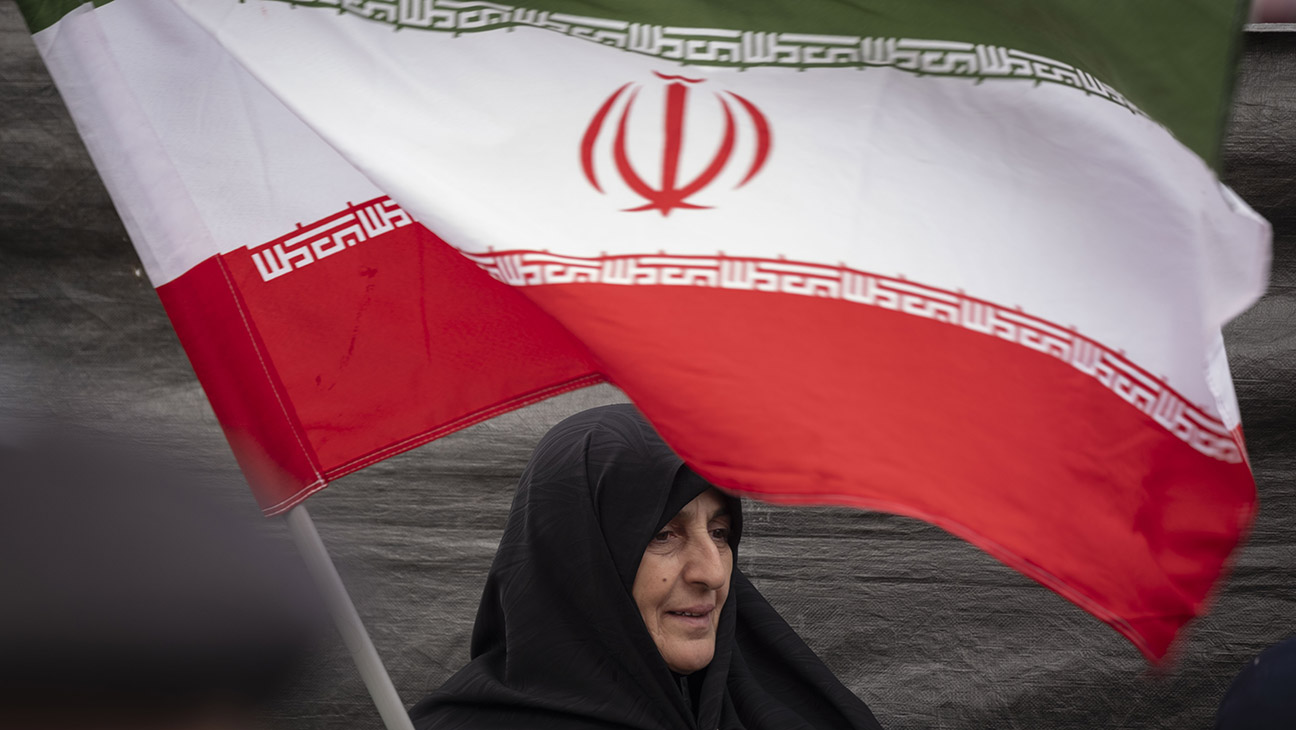
The global creative community is under scrutiny for its silence regarding the ongoing human rights violations in Iran. As protests erupt and violence escalates in the streets of Tehran, artists and activists face severe repercussions for expressing dissent. The regime’s oppressive measures have resulted in the arrest, exile, or silencing of many prominent figures in the Iranian arts scene, including directors such as Jafar Panahi.
Escalating Violence and Artistic Suppression
The situation in Iran has reached alarming levels, with reports of protesters shot in the streets and horrific acts of torture reported in detention centers. The Iranian government has actively targeted those who dare to challenge its authority, leading to a climate of fear and repression. Women, who already face systemic discrimination, are particularly vulnerable; they have limited rights, including restrictions on public performances and severe penalties for speaking out.
In the past month alone, the regime’s crackdown has intensified. Eyewitness accounts detail the harrowing experiences of those detained, including allegations of torture and abuse following their release. These events are not merely statistics; they represent profound violations of human rights that demand urgent attention from the international community.
Despite the gravity of the situation, many in Hollywood and the broader creative sector have remained silent. Figures known for their vocal support in other global crises have not addressed the plight of Iranian artists and citizens. This silence raises critical ethical questions about complicity in the face of tyranny. Advocacy is essential, and neutrality is no longer a viable option.
The Moral Imperative for Action
For those who have fled Iran, memories of a vibrant culture clash starkly with the current state of oppression. The 1979 Revolution serves as a historical reminder of how quickly freedoms can be stripped away. In the past, Iran was a place where art flourished, and diverse voices were celebrated. Today, the echo of that creativity is stifled under an iron fist.
Literary figures like Margaret Atwood have drawn parallels between their work and the realities of life in Iran. Her novel, “The Handmaid’s Tale,” reflects themes of tyranny and the subjugation of women, resonating with the current struggles faced by Iranian citizens. The realities depicted in her narrative, while fictional, mirror the daily lives of many in Iran, where the consequences of dissent can be deadly.
The global creative community must not turn a blind eye. Silence in the face of such atrocities enables the continuation of a regime that systematically erases human dignity and artistic expression. Artists, writers, and filmmakers worldwide have a responsibility to amplify the voices of those suffering under oppression. A unified stance against tyranny can help foster change and support those fighting for their freedom.
As international attention remains focused on various crises around the world, the plight of Iranian citizens must not be overlooked. It is imperative that the creative community mobilizes, not just in protest but in solidarity, to challenge the injustices perpetrated against artists and ordinary citizens alike. The time for action is now; remaining silent is tantamount to complicity.

Golden Link Chapter No. 204 Honors Kijahfha Mahoney with Service Award

Gigachad Price Falls to $0.0025 Amid Market Fluctuations

Exploring Bortus: The Complex Alien of ‘The Orville’

Harry Potter Quiz Links Personality Traits to Entrepreneurship

Colorado Voters React to Trump’s Immigration Actions Amid Midterms

Donaldson Capital Management Boosts Stake in UnitedHealth Group

Researchers Establish First Lab Colony of Invasive Beetle in Australia

Jersey City Schools Confirm Controversial Kindergarten Move

NeuroOne Medical Technologies Outperforms Cannlabs in Financial Metrics

University of Hawaiʻi Joins $25.6M AI Project to Monitor Disasters

Foreign Inflows into Japan Stocks Surge to ¥1.34 Trillion

Hudson Williams Gains Popularity as Breakout Star on Heated Rivalry

Boeing’s Merger with McDonnell Douglas: A Strategic Move Explained

$1.25M Grant Advances Hawaiʻi’s Real-Time Hazard Monitoring

Sydney Sweeney Embraces Body Positivity Amid Hollywood Challenges

BOYNEXTDOOR’s Jaehyun Faces Backlash Amid BTS-TWICE Controversy

French Film Explores Group Therapy in ‘Group – The Schopenhauer Project’

Urgent Farewell: Joleen Chaney Leaves Legacy at KFOR
-
Science3 months ago
University of Hawaiʻi Joins $25.6M AI Project to Monitor Disasters
-
Business3 months ago
Foreign Inflows into Japan Stocks Surge to ¥1.34 Trillion
-
 Entertainment2 months ago
Hudson Williams Gains Popularity as Breakout Star on Heated Rivalry
-
 World3 months ago
Boeing’s Merger with McDonnell Douglas: A Strategic Move Explained
-
 Science2 months ago
$1.25M Grant Advances Hawaiʻi’s Real-Time Hazard Monitoring
-
 Entertainment3 months ago
Sydney Sweeney Embraces Body Positivity Amid Hollywood Challenges
-
 Top Stories3 months ago
BOYNEXTDOOR’s Jaehyun Faces Backlash Amid BTS-TWICE Controversy
-
 World3 months ago
French Film Explores Group Therapy in ‘Group – The Schopenhauer Project’
-
 Top Stories3 months ago
Urgent Farewell: Joleen Chaney Leaves Legacy at KFOR
-
 Top Stories3 months ago
Marc Buoniconti’s Legacy: 40 Years Later, Lives Transformed
-

 Lifestyle4 months ago
Kelsea Ballerini Launches ‘Burn the Baggage’ Candle with Ranger Station
-

 Top Stories3 months ago
Carson Wentz Out for Season After Shoulder Surgery: Urgent Update