
World
Understanding the Need for Safe Spaces Amid Ongoing Racism

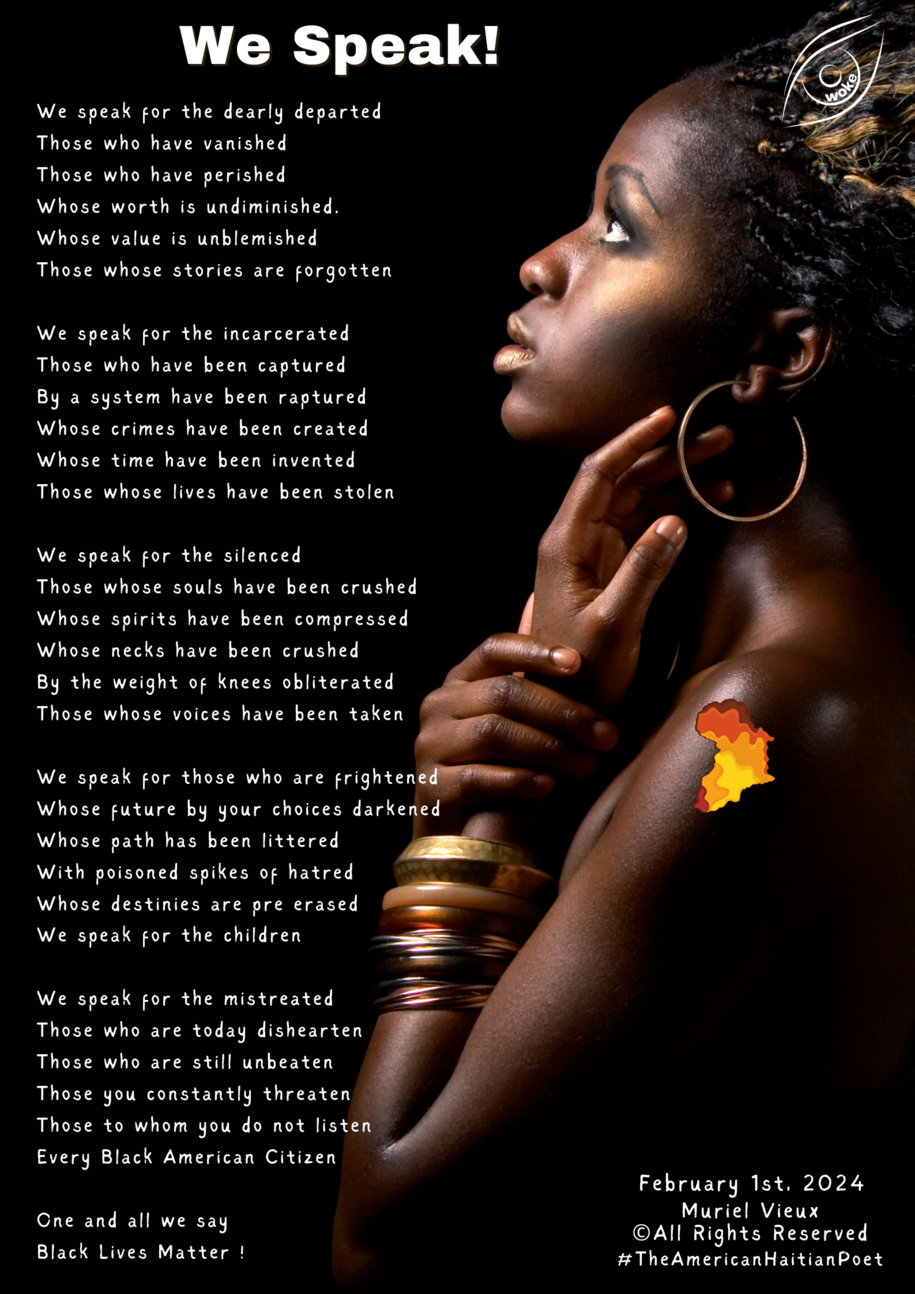
The conversation around racism continues to resonate strongly in modern society, particularly within Black communities in the United States. Many individuals are questioning why safe spaces—both physical and virtual—remain essential for Black people, even in an era that often prides itself on progress. The reasoning goes beyond mere exclusion; it speaks to a deep-seated trauma and the need for security in an environment that can feel hostile.
Black individuals often navigate a reality that is fraught with anxiety and fear, akin to being in a relationship with an unpredictable partner. This metaphor underscores the complexities of living as a Black person in the U.S., where the threat of violence and discrimination looms large. The necessity of having “the talk” with children about how to interact with law enforcement reflects the harsh realities faced daily. Parents must prepare their children for encounters that may escalate quickly, teaching them how to behave to avoid dangerous situations.
Understanding this dynamic requires acknowledging the systemic racism that permeates various facets of society. The fear instilled in young Black children is not a product of over-exaggeration but rather a reflection of genuine concerns rooted in historical and ongoing injustices. Black parents often find themselves guiding their children through challenging conversations about how to navigate a world that does not always recognize their humanity.
Discussions about race are often met with resistance, particularly from some white individuals who may feel uncomfortable learning about the history of slavery and its lasting impact. The notion that such discussions can make white children uncomfortable further complicates the dialogue. In contrast, Black children face the stark reality of being perceived as threats in environments like grocery stores or playgrounds, where their innocence is questioned simply based on their race.
The disparities in how society views and treats individuals based on their skin color highlight the ongoing issue of racism. A Black person holding a firearm is often viewed through a lens of criminality, while a white person in the same situation is seen exercising their Second Amendment rights. This double standard underscores the broader systemic issues that persist in America, from law enforcement interactions to educational disparities.
Moreover, the perception of pain and qualifications is often skewed. When incidents occur, immediate assumptions about compliance and guilt are frequently directed at Black individuals, while white victims may not face the same scrutiny. This inconsistency in societal responses perpetuates a cycle where Black voices are marginalized, and their frustrations are dismissed.
The conversation surrounding these issues is crucial for fostering understanding and empathy. Many individuals may find themselves thinking, “not all of us,” in response to generalized statements about racism. It’s important to recognize that while these experiences may not apply universally to all white individuals, they are the norm for many Black people.
The persistence of racism can be traced to deeply ingrained biases that continue to affect perceptions and interactions. When discussing crime, for instance, the narrative often shifts to focus on “Black on Black” crime, while overlooking the systemic factors that contribute to such statistics. This selective focus serves to further entrench racial stereotypes and ignores the broader societal issues at play.
As Muriel Vieux poignantly pointed out in her reflections, the struggle for recognition and equality remains ongoing. While she shared her personal challenges, including financial difficulties, the broader message emphasizes the need for support and understanding across communities.
Creating spaces that allow for open dialogue about race, trauma, and systemic injustices is essential for healing and progress. Only by acknowledging the complexity of these issues can society move towards a more equitable future. The urgency to address these conversations cannot be overstated, as they are vital in moving toward understanding and dismantling the structures that sustain racism in various forms.

Beaufort Man Arrested in Hit-and-Run; Two Pedestrians Injured

KORU Medical Systems Sees 21.4% Drop in Short Interest in January

NASA’s WB-57: High-Altitude Research Aircraft Takes Flight

Chunghwa Telecom Sees 21.6% Drop in Short Interest for January

Claim Your $250 Bet Match NOW for Lakers vs. Knicks Showdown!

Court Ruling Affirms Panama Canal Independence from China

Waldencast PLC Sees 25.7% Drop in Short Interest in January

Selena Gomez Raps Kendrick Lamar’s “Not Like Us” in Viral Clip

Father and Son Reunited in Minnesota After ICE Detention

University of Hawaiʻi Joins $25.6M AI Project to Monitor Disasters

Foreign Inflows into Japan Stocks Surge to ¥1.34 Trillion

Hudson Williams Gains Popularity as Breakout Star on Heated Rivalry

Boeing’s Merger with McDonnell Douglas: A Strategic Move Explained

$1.25M Grant Advances Hawaiʻi’s Real-Time Hazard Monitoring

Sydney Sweeney Embraces Body Positivity Amid Hollywood Challenges

BOYNEXTDOOR’s Jaehyun Faces Backlash Amid BTS-TWICE Controversy

Urgent Farewell: Joleen Chaney Leaves Legacy at KFOR

French Film Explores Group Therapy in ‘Group – The Schopenhauer Project’
-
Science3 months ago
University of Hawaiʻi Joins $25.6M AI Project to Monitor Disasters
-
Business3 months ago
Foreign Inflows into Japan Stocks Surge to ¥1.34 Trillion
-
 Entertainment2 months ago
Hudson Williams Gains Popularity as Breakout Star on Heated Rivalry
-
 World3 months ago
Boeing’s Merger with McDonnell Douglas: A Strategic Move Explained
-
 Science2 months ago
$1.25M Grant Advances Hawaiʻi’s Real-Time Hazard Monitoring
-
 Entertainment3 months ago
Sydney Sweeney Embraces Body Positivity Amid Hollywood Challenges
-
 Top Stories3 months ago
BOYNEXTDOOR’s Jaehyun Faces Backlash Amid BTS-TWICE Controversy
-
 Top Stories3 months ago
Urgent Farewell: Joleen Chaney Leaves Legacy at KFOR
-
 World3 months ago
French Film Explores Group Therapy in ‘Group – The Schopenhauer Project’
-

 Top Stories3 months ago
Marc Buoniconti’s Legacy: 40 Years Later, Lives Transformed
-

 Lifestyle4 months ago
Kelsea Ballerini Launches ‘Burn the Baggage’ Candle with Ranger Station
-

 Top Stories3 months ago
Carson Wentz Out for Season After Shoulder Surgery: Urgent Update