
World
Trump’s New Law Cuts Food Stamp Benefits Starting November 2025

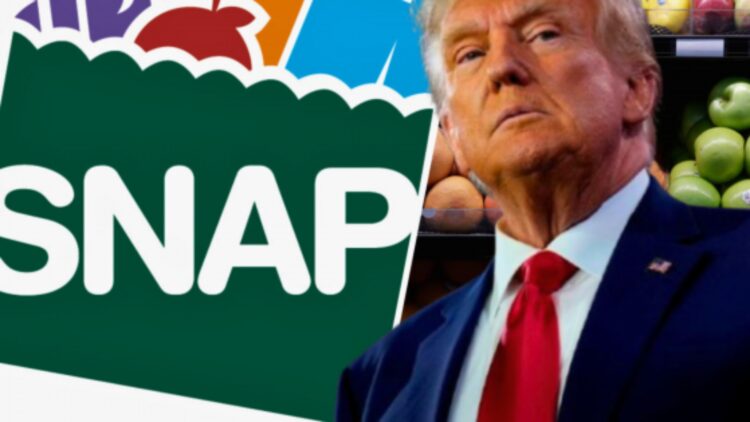
The United States will witness significant changes to the Supplemental Nutrition Assistance Program (SNAP) as new regulations come into effect on November 1, 2025. The law, known as the One Big Beautiful Bill Act (OBBA), signed by Donald Trump, imposes stricter eligibility requirements that could drastically reduce or eliminate food stamp benefits for millions of Americans.
The U.S. Department of Agriculture (USDA) announced that under the new guidelines, individuals classified as Able-Bodied Adults Without Dependents (ABAWD) must either fulfill specific eligibility criteria or work at least 80 hours per month. This includes participation in the SNAP Employment and Training (E&T) program or other local employment initiatives. Failure to meet these conditions could result in disqualification from receiving benefits.
New Eligibility Criteria and Potential Impact
The updated eligibility requirements are considerably more stringent. Starting in November, applicants must be:
- 65 years or older (previously 59)
- A parent or guardian of a child under 14 years old (previously under 18)
- Pregnant or physically or mentally unable to work
- Members of native communities under new OBBA exceptions
Those who do not fit these categories will be required to meet the new work mandate. According to the Congressional Budget Office (CBO), this legislation is projected to reduce the federal deficit by $309 billion. However, it raises concerns about food security, with an estimated 2.4 million people facing potential loss of benefits.
CNBC has characterized this legislative change as “the largest cut in the history of the SNAP program.” Data from the Urban Institute indicates that affected individuals could see a reduction in benefits ranging from $72 to $231 monthly.
State-Level Implications and Reactions
This shift in SNAP funding will not only impact beneficiaries but also place additional pressure on state budgets. Traditionally funded entirely by federal resources, states will now be responsible for covering up to 25% of the program’s costs. This change necessitates significant budget restructuring, with states like Oregon anticipating that approximately 42% of local SNAP beneficiaries may lose their aid.
While the Trump administration argues that the new measures aim to reduce dependence on federal assistance, many critics highlight the human cost of these cuts. Detractors emphasize that while the goal might be fiscal responsibility, the resulting hardships could exacerbate food insecurity for vulnerable populations.
As states prepare for the implementation of OBBA, officials and advocates are left to navigate the complexities of these new requirements and their broader implications for community welfare. The debate surrounding the balance between fiscal policy and social support continues as stakeholders assess the long-term effects of these changes.

Netflix’s Last Samurai Standing Renewed for Season 2 Amid Breakout Success

Ukrainian Drones Strike Russian Tanker in Mediterranean Sea

Phraction Management Increases Stake in Honeywell International

Exploring Environmental Robotics with ETH Zürich’s Stefano Mintchev

Trinity Capital Inc. Declares Monthly Dividend of $0.17 for March 31

Immigration Surge Intensifies U.S. Rental Crisis Amid Demand Boom

Christmas Carols: Reflecting Traditions and Faith This Season

Paramount Unveils Y: Marshals Photos; Kayce Dutton’s New Role

Big Ten vs. Big 12: College Basketball Power Rankings Shift

University of Hawaiʻi Joins $25.6M AI Project to Monitor Disasters

Foreign Inflows into Japan Stocks Surge to ¥1.34 Trillion

BOYNEXTDOOR’s Jaehyun Faces Backlash Amid BTS-TWICE Controversy

Boeing’s Merger with McDonnell Douglas: A Strategic Move Explained

Carson Wentz Out for Season After Shoulder Surgery: Urgent Update

Sydney Sweeney Embraces Body Positivity Amid Hollywood Challenges

Marc Buoniconti’s Legacy: 40 Years Later, Lives Transformed

Kelsea Ballerini Launches ‘Burn the Baggage’ Candle with Ranger Station

Innovative Surgery Restores Confidence for Breast Cancer Patients
-
Science2 months ago
University of Hawaiʻi Joins $25.6M AI Project to Monitor Disasters
-
Business2 months ago
Foreign Inflows into Japan Stocks Surge to ¥1.34 Trillion
-
 Top Stories2 months ago
BOYNEXTDOOR’s Jaehyun Faces Backlash Amid BTS-TWICE Controversy
-
 World2 months ago
Boeing’s Merger with McDonnell Douglas: A Strategic Move Explained
-
 Top Stories2 months ago
Carson Wentz Out for Season After Shoulder Surgery: Urgent Update
-
 Entertainment2 months ago
Sydney Sweeney Embraces Body Positivity Amid Hollywood Challenges
-
 Top Stories2 months ago
Marc Buoniconti’s Legacy: 40 Years Later, Lives Transformed
-
 Lifestyle2 months ago
Kelsea Ballerini Launches ‘Burn the Baggage’ Candle with Ranger Station
-
 Health2 months ago
Innovative Surgery Restores Confidence for Breast Cancer Patients
-

 Sports2 months ago
Steve Kerr Supports Jonathan Kuminga After Ejection in Preseason Game
-

 Entertainment2 months ago
Zoe Saldana Advocates for James Cameron’s Avatar Documentary
-

 Science2 months ago
Chicago’s Viral ‘Rat Hole’ Likely Created by Squirrel, Study Reveals