
World
Trump Withdraws U.S. From Climate Treaties, Isolating Nation

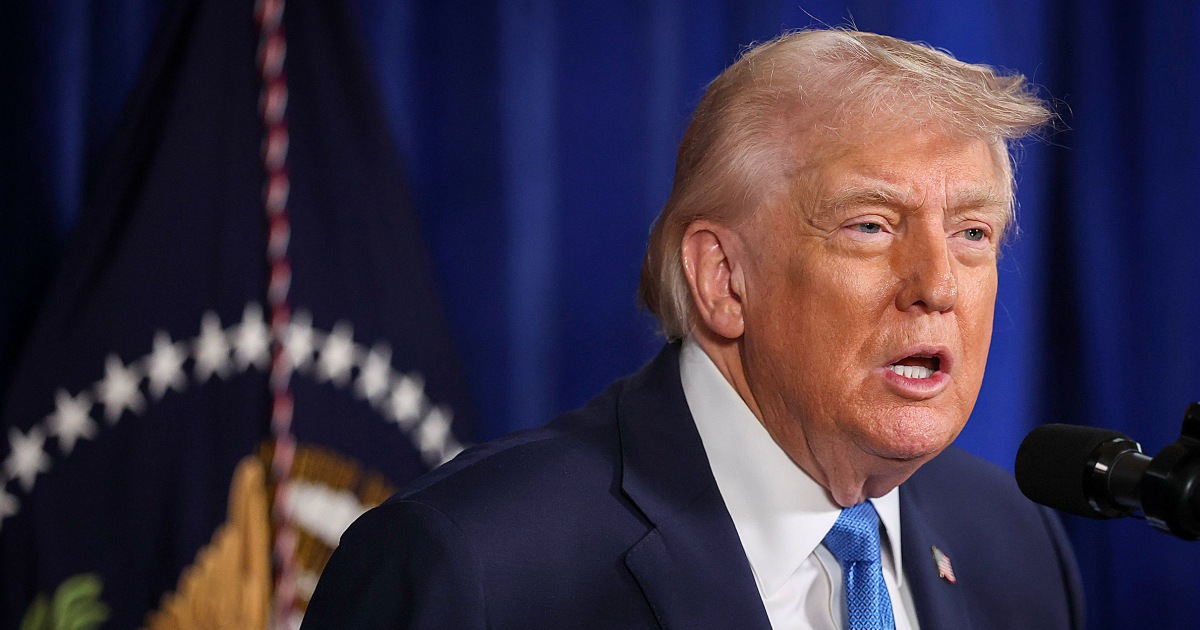
President Donald Trump has officially withdrawn the United States from key international climate agreements, significantly diminishing the country’s influence in global environmental negotiations. In an executive order issued on Wednesday, Trump suspended U.S. support for 66 international bodies, including the United Nations Framework Convention on Climate Change (UNFCCC) and the Intergovernmental Panel on Climate Change (IPCC), which have been pivotal in coordinating global climate action since the U.S. joined in 1992.
The White House announced that these organizations “no longer serve American interests,” marking a decisive shift in U.S. policy toward climate diplomacy. This withdrawal comes at a time when the impacts of climate change are becoming increasingly severe, with extreme weather events such as wildfires, floods, and hurricanes costing the U.S. tens of billions of dollars annually. In 2025 alone, 23 weather and climate events resulted in damages exceeding $1 billion each, totaling approximately $115 billion, according to an analysis by the nonprofit organization Climate Central.
This latest move escalates the U.S. retreat from international climate commitments, following Trump’s initiation of the exit process from the Paris Agreement in January 2025. The Paris Agreement, signed in 2016, aimed to limit global temperature rise to well below 2 degrees Celsius while pursuing efforts to cap the increase at 1.5 degrees Celsius. The UNFCCC framework underpinned this accord, aimed at addressing the main sources of greenhouse gas emissions globally.
If the U.S. completes its withdrawal from the UNFCCC, it would become the first nation to do so, complicating future re-entry efforts. Reintegration would necessitate another two-thirds Senate vote, making it challenging for subsequent administrations to rejoin the Paris Agreement.
The absence of the U.S. from international climate discussions is particularly notable. The White House opted not to send a delegation to the recent COP30 climate summit held in Brazil, a decision criticized by experts. “It’s astonishing to walk away from the table and have decisions taken without your input,” stated Kristie Ebi, a climate scientist at the University of Washington and contributor to several IPCC reports. Ebi noted that while past U.S. administrations may not have been fully engaged, they at least remained informed about ongoing discussions.
Trump’s administration has consistently expressed skepticism towards the UNFCCC and similar organizations. In a statement on X, Secretary of State Marco Rubio labeled these bodies as “anti-American, useless or wasteful.” The official exit from the Paris Agreement is set for January 27, 2026, roughly one year after the withdrawal process began.
Legal questions also surround the withdrawal from the UNFCCC, with some legal experts contending that Trump’s actions may not have congressional consent. Jean Su, an attorney with the Center for Biological Diversity, emphasized that the Constitution outlines the process for entering treaties but is silent on withdrawal. She indicated that her organization may pursue legal action regarding this matter.
The UNFCCC is essential for coordinating global climate negotiations, hosting annual Conferences of the Parties (COP) where nations establish emission targets and funding mechanisms for climate action. Last year’s COP focused on addressing deforestation in the Amazon rainforest and its broader climate implications. Ebi compared the UNFCCC’s role to that of an organizing committee for the Olympics, underscoring the need for structured facilitation in complex international negotiations.
The U.S. exit from the Paris Agreement has already created financial challenges for the UNFCCC. Following the U.S. withdrawal, Bloomberg Philanthropies, led by former New York City Mayor Michael Bloomberg, stepped in to help maintain the secretariat’s operations.
In response to the U.S. withdrawal, Simon Stiell, executive secretary of the UNFCCC, remarked that the decision would lead to a less secure and less prosperous U.S. He affirmed that the doors remain open for the U.S. to re-enter the UNFCCC in the future, as it has with the Paris Agreement.
Throughout his presidency, Trump has targeted climate programs for budget cuts and has publicly dismissed climate change as a “con job.” His administration has also sought to diminish the Environmental Protection Agency’s regulatory powers over greenhouse gas emissions. Climate activist and former Vice President Al Gore criticized the administration for abandoning climate diplomacy, accusing it of prioritizing the oil industry’s interests over environmental protection.
By withdrawing from the IPCC, UNFCCC, and other vital international partnerships, the Trump administration is reversing decades of climate diplomacy and undermining trust in climate science on a global scale.

Beaufort Man Arrested in Hit-and-Run; Two Pedestrians Injured

KORU Medical Systems Sees 21.4% Drop in Short Interest in January

NASA’s WB-57: High-Altitude Research Aircraft Takes Flight

Chunghwa Telecom Sees 21.6% Drop in Short Interest for January

Claim Your $250 Bet Match NOW for Lakers vs. Knicks Showdown!

Court Ruling Affirms Panama Canal Independence from China

Waldencast PLC Sees 25.7% Drop in Short Interest in January

Selena Gomez Raps Kendrick Lamar’s “Not Like Us” in Viral Clip

Father and Son Reunited in Minnesota After ICE Detention

University of Hawaiʻi Joins $25.6M AI Project to Monitor Disasters

Foreign Inflows into Japan Stocks Surge to ¥1.34 Trillion

Hudson Williams Gains Popularity as Breakout Star on Heated Rivalry

Boeing’s Merger with McDonnell Douglas: A Strategic Move Explained

$1.25M Grant Advances Hawaiʻi’s Real-Time Hazard Monitoring

Sydney Sweeney Embraces Body Positivity Amid Hollywood Challenges

BOYNEXTDOOR’s Jaehyun Faces Backlash Amid BTS-TWICE Controversy

Urgent Farewell: Joleen Chaney Leaves Legacy at KFOR

French Film Explores Group Therapy in ‘Group – The Schopenhauer Project’
-
Science3 months ago
University of Hawaiʻi Joins $25.6M AI Project to Monitor Disasters
-
Business3 months ago
Foreign Inflows into Japan Stocks Surge to ¥1.34 Trillion
-
 Entertainment2 months ago
Hudson Williams Gains Popularity as Breakout Star on Heated Rivalry
-
 World3 months ago
Boeing’s Merger with McDonnell Douglas: A Strategic Move Explained
-
 Science2 months ago
$1.25M Grant Advances Hawaiʻi’s Real-Time Hazard Monitoring
-
 Entertainment3 months ago
Sydney Sweeney Embraces Body Positivity Amid Hollywood Challenges
-
 Top Stories3 months ago
BOYNEXTDOOR’s Jaehyun Faces Backlash Amid BTS-TWICE Controversy
-
 Top Stories3 months ago
Urgent Farewell: Joleen Chaney Leaves Legacy at KFOR
-
 World3 months ago
French Film Explores Group Therapy in ‘Group – The Schopenhauer Project’
-

 Top Stories3 months ago
Marc Buoniconti’s Legacy: 40 Years Later, Lives Transformed
-

 Lifestyle4 months ago
Kelsea Ballerini Launches ‘Burn the Baggage’ Candle with Ranger Station
-

 Top Stories3 months ago
Carson Wentz Out for Season After Shoulder Surgery: Urgent Update