
World
Terminally Ill Man Leaves $1.3M Estate to Fake Online Partner

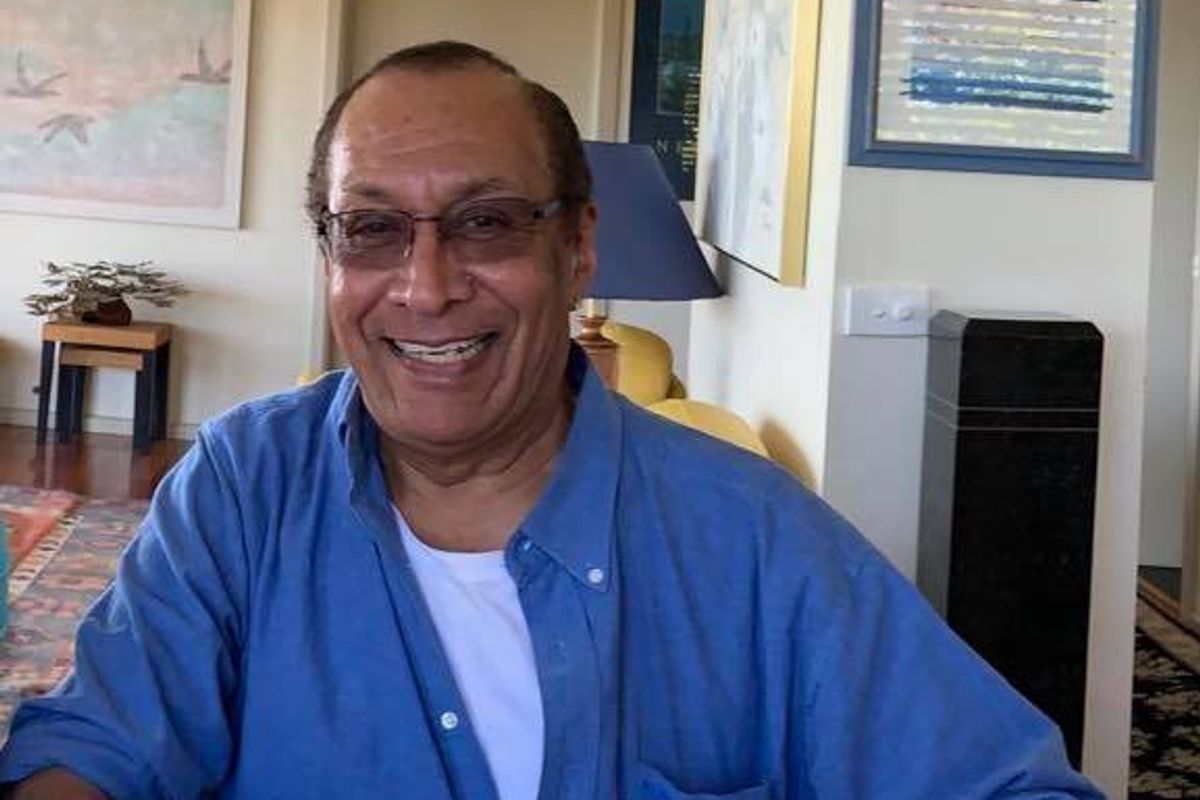
A terminally ill man from Melbourne left his estate valued at $1.3 million to an online partner, only for it to be discovered that the individual was a fabricated identity. William Ian Southey, who passed away at the age of 73, had designated Kyle Stuart Jackson as the executor of his will, but investigations revealed that Kyle did not exist.
William’s journey began after the loss of his partner of 40 years, prompting him to seek companionship online. He connected with Kyle in early 2022 and reportedly intended to marry his virtual companion. Following William’s death in 2022, doubts about Kyle’s authenticity arose during the probate process. Solicitors struggled to verify Kyle’s identity, leading to a court petition by William’s ex-wife, Kaye Moseley, who was married to him from 1976 to 1989.
The court concluded that Kyle Stuart Jackson was not a genuine individual. Kaye’s legal representative, Rachael Hocking, noted the challenges faced in confirming Kyle’s identity. “We couldn’t identify him, so we couldn’t have him involved in the administration process, and we couldn’t have the estate distributed to him either,” she stated. The investigation revealed that attempts to reach Kyle through phone calls, emails, and video meetings were unsuccessful. A passport presented by him was identified as counterfeit.
In 2023, the Toronto-Dominion Bank confirmed that a cheque for $866,484, allegedly written for two Jean Basquiat paintings, was invalid. Associate Judge Caroline Anne Goulden ruled that the individual using the name Kyle Stuart Jackson did not exist in the manner understood by William or at all. “I am satisfied that the person named [in the will] as Kyle Stuart Jackson does not exist,” the judge stated.
Kaye’s attorney, Hocking, warned the public about the potential risks associated with online relationships. She described this case as a “dire warning,” highlighting that similar issues could arise as more people engage in online interactions. “We see a lot in financial scams; people with vulnerabilities or disabilities transferring money overseas. But now, this case has shown that it’s actually even progressed to being nominated as a potential beneficiary under a will as well,” she added.
William’s only means of contact with Kyle was through the internet, which culminated in Kyle being named both executor of the will and sole beneficiary of William’s estate. This estate included a property located in the Melbourne suburb of Kew, which was sold for $1.6 million. The case serves as a stark reminder of the risks associated with online relationships and the need for due diligence in financial matters.

Jane Seymour Celebrates Life at 74, Claims She’s in Her Prime

Mamdani Unveils 50 New Shelter Beds as Cold Weather Claims 14 Lives

House Speaker Mike Johnson Aims for Government Shutdown Resolution by Tuesday

Lawyer Warns of Trump’s 2026 Election Threat: “Complacency is Dangerous”

Shark Bites Surge Linked to Climate Change and Ecosystem Shifts

NASCAR Clash Delayed Due to Snow, Rescheduled for Monday

Boeing and Lockheed Martin Battle for Fighter Jet Dominance

Golden Link Chapter No. 204 Honors Kijahfha Mahoney with Service Award

Gigachad Price Falls to $0.0025 Amid Market Fluctuations

University of Hawaiʻi Joins $25.6M AI Project to Monitor Disasters

Foreign Inflows into Japan Stocks Surge to ¥1.34 Trillion

Hudson Williams Gains Popularity as Breakout Star on Heated Rivalry

Boeing’s Merger with McDonnell Douglas: A Strategic Move Explained

$1.25M Grant Advances Hawaiʻi’s Real-Time Hazard Monitoring

Sydney Sweeney Embraces Body Positivity Amid Hollywood Challenges

BOYNEXTDOOR’s Jaehyun Faces Backlash Amid BTS-TWICE Controversy

French Film Explores Group Therapy in ‘Group – The Schopenhauer Project’

Urgent Farewell: Joleen Chaney Leaves Legacy at KFOR
-
Science3 months ago
University of Hawaiʻi Joins $25.6M AI Project to Monitor Disasters
-
Business3 months ago
Foreign Inflows into Japan Stocks Surge to ¥1.34 Trillion
-
 Entertainment2 months ago
Hudson Williams Gains Popularity as Breakout Star on Heated Rivalry
-
 World3 months ago
Boeing’s Merger with McDonnell Douglas: A Strategic Move Explained
-
 Science2 months ago
$1.25M Grant Advances Hawaiʻi’s Real-Time Hazard Monitoring
-
 Entertainment3 months ago
Sydney Sweeney Embraces Body Positivity Amid Hollywood Challenges
-
 Top Stories3 months ago
BOYNEXTDOOR’s Jaehyun Faces Backlash Amid BTS-TWICE Controversy
-
 World3 months ago
French Film Explores Group Therapy in ‘Group – The Schopenhauer Project’
-
 Top Stories3 months ago
Urgent Farewell: Joleen Chaney Leaves Legacy at KFOR
-

 Top Stories3 months ago
Marc Buoniconti’s Legacy: 40 Years Later, Lives Transformed
-

 Lifestyle4 months ago
Kelsea Ballerini Launches ‘Burn the Baggage’ Candle with Ranger Station
-

 Top Stories3 months ago
Carson Wentz Out for Season After Shoulder Surgery: Urgent Update