
World
Senate Approves $839 Billion Defense Bill Amid Funding Turmoil

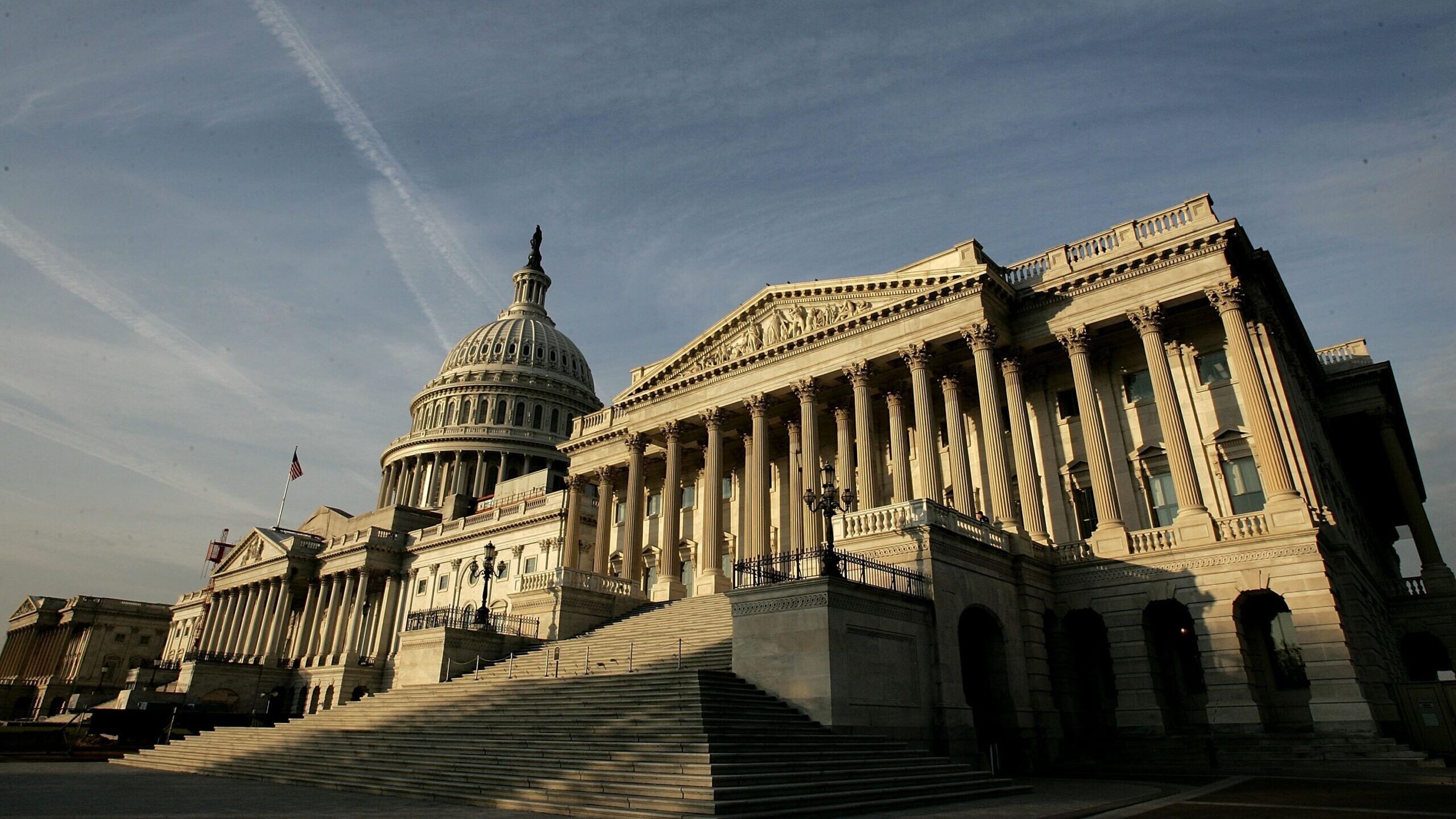
The United States Senate approved a defense spending bill worth $838.7 billion for fiscal year 2026, with a vote of 71-29. This decision comes as part of a broader agreement reached between Democrats and the White House aimed at avoiding a government shutdown. The funding package includes appropriations for the Pentagon and five other departments, reflecting a significant commitment to national security amidst ongoing budgetary challenges.
In light of recent events, including the killing of Alex Pretti by federal agents, full-year funding for the Department of Homeland Security (DHS) was replaced by a two-week continuing resolution. This adjustment reflects heightened sensitivities around appropriations and federal funding. Currently, funding for the Defense Department is set to expire at midnight, with a lapse expected over the weekend unless the House swiftly passes the updated spending agreement. House members are scheduled to reconvene in Washington on Monday.
House Minority Leader Hakeem Jeffries expressed uncertainty regarding support for the funding package, stating during a news conference, “There’s no agreement that’s been before us. The Senate has to do its thing before we have anything to evaluate.” His comments highlight the ongoing negotiations and the importance of bipartisan cooperation in the legislative process.
Prior to the Senate’s decision, the House had voted 341-88 to advance a bipartisan funding package that encompassed defense, health, and human services, among other departments. The House GOP leaders strategically combined the funding bill with the DHS appropriations to secure the necessary votes for passage. However, this approach backfired after Pretti’s death galvanized Senate Democrats, who opposed a full-year funding bill for the DHS.
Despite the political maneuvering, the contents of the defense appropriations bill are largely viewed as non-controversial. The FY26 defense bill allocates $8.4 billion more than the Pentagon’s budget request made last summer. However, the Pentagon has submitted over $50 billion in additional funding requests since then, indicating a shortfall in the desired budget for the fiscal year. These requests include $26.5 billion to address discrepancies, emergency requirements totaling $2.3 billion, and an ambitious $28.8 billion for multiyear munitions procurement contracts.
Significant funding decisions within the bill include an additional $897 million for the Navy’s F/A-XX program, despite the White House’s previous opposition. Lawmakers also directed the Navy to award a contract for the engineering and manufacturing development phase of the sixth-generation fighter. Additionally, the bill allocates $1.1 billion to continue the E-7 Wedgetail program, which the Air Force had previously considered canceling. Conversely, the bill rejects the Army’s agile funding proposal and instead adds approximately $300 million to the Joint Light Tactical Vehicle program, countering the Army’s request to terminate the initiative.
The White House expressed its support for the budget deal, describing it as a means to make “critical investments in lethality” and revitalizing US shipbuilding capabilities. In a statement released on Thursday, the administration noted, “Further, it provides multiyear procurement authority for certain critical munitions.” The administration emphasized its commitment to collaborating with Congress to meet essential munitions needs moving forward.
As negotiations continue, the outcome of this spending bill will have lasting implications for national defense and government operations, underscoring the intricate balance of political maneuvering and fiscal responsibility in the current legislative environment.

Urgent: Arson Fire Causes $50,000 Damage in Mililani Business

KraneShares California Carbon ETF Sees Major Surge in Short Interest

NASA Scientists Uncover Mechanisms Behind Unique Aurora Phenomena

Short Interest in First Trust High Yield Opportunities Fund Soars

Smart Shoppers Choose Hisense Canvas Over Samsung Frame TVs

No. 13 Minnesota State Women Fall to Bemidji State 2-1 in Classic

Compagnie de Saint-Gobain Shares Drop 2.1% Following UBS Downgrade

Universal Robots Unveils Four Key AI Trends for 2026 and Beyond

Wisconsin Badgers Face Ohio State Buckeyes in Key Showdown

University of Hawaiʻi Joins $25.6M AI Project to Monitor Disasters

Foreign Inflows into Japan Stocks Surge to ¥1.34 Trillion

Hudson Williams Gains Popularity as Breakout Star on Heated Rivalry

Boeing’s Merger with McDonnell Douglas: A Strategic Move Explained

$1.25M Grant Advances Hawaiʻi’s Real-Time Hazard Monitoring

Sydney Sweeney Embraces Body Positivity Amid Hollywood Challenges

BOYNEXTDOOR’s Jaehyun Faces Backlash Amid BTS-TWICE Controversy

French Film Explores Group Therapy in ‘Group – The Schopenhauer Project’

Urgent Farewell: Joleen Chaney Leaves Legacy at KFOR
-
Science3 months ago
University of Hawaiʻi Joins $25.6M AI Project to Monitor Disasters
-
Business3 months ago
Foreign Inflows into Japan Stocks Surge to ¥1.34 Trillion
-
 Entertainment2 months ago
Hudson Williams Gains Popularity as Breakout Star on Heated Rivalry
-
 World3 months ago
Boeing’s Merger with McDonnell Douglas: A Strategic Move Explained
-
 Science2 months ago
$1.25M Grant Advances Hawaiʻi’s Real-Time Hazard Monitoring
-
 Entertainment3 months ago
Sydney Sweeney Embraces Body Positivity Amid Hollywood Challenges
-
 Top Stories3 months ago
BOYNEXTDOOR’s Jaehyun Faces Backlash Amid BTS-TWICE Controversy
-
 World3 months ago
French Film Explores Group Therapy in ‘Group – The Schopenhauer Project’
-
 Top Stories3 months ago
Urgent Farewell: Joleen Chaney Leaves Legacy at KFOR
-

 Top Stories3 months ago
Marc Buoniconti’s Legacy: 40 Years Later, Lives Transformed
-

 Lifestyle4 months ago
Kelsea Ballerini Launches ‘Burn the Baggage’ Candle with Ranger Station
-

 Top Stories3 months ago
Carson Wentz Out for Season After Shoulder Surgery: Urgent Update