
World
Ryanair Cuts Routes in Europe, Impacting Millions in 2026

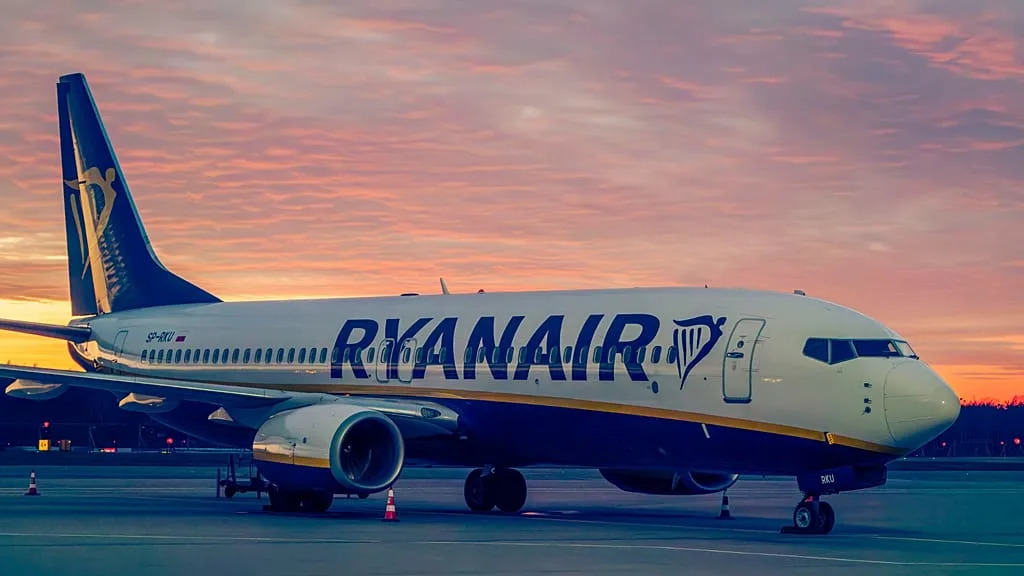
Ryanair has announced significant cuts to its route network across Europe for 2026, impacting millions of passengers. The budget airline’s decision follows a year of expansion and challenges, including persistent delays from Boeing and rising operational costs. As a result, Ryanair will eliminate numerous routes to key destinations in countries such as Germany, Spain, France, Belgium, Portugal, Bosnia, and Serbia.
Ryanair’s Route Reductions in Germany
Starting in October 2025, Ryanair disclosed plans to cut 24 routes to and from Germany, resulting in a reduction of nearly 800,000 seats for the Winter 2025/2026 schedule. Airports affected include Hamburg, Berlin, Cologne, and Frankfurt-Hahn, among others. Operations at Leipzig, Dresden, and Dortmund will remain suspended throughout 2026.
Ryanair’s CEO Michael O’Leary has criticized the German government for high air traffic control and security fees, asserting these costs hinder competitiveness compared to countries like Ireland and Spain, which impose no aviation taxes. The airline claims that Germany’s air traffic recovery remains weak, operating at only 88 percent of pre-COVID levels. Ryanair has warned of further route cuts unless the German government addresses these financial burdens.
Flight Reductions in Spain and Beyond
Ryanair will also significantly reduce its operations in Spain, cutting approximately 1.2 million seats from its summer 2026 schedule. The airline plans to cease all flights to Asturias and Vigo, close its base in Santiago de Compostela, and reduce capacity in Santander and Zaragoza. Flights to Tenerife North have already been halted for winter.
Disputes with Spanish airport operator Aena over rising taxes and fees have prompted these cuts. Ryanair argues that these costs make regional airports in Spain less competitive compared to alternatives in Morocco and Italy. The airline stated, “Aena’s monopoly approach to pricing” is detrimental to smaller regional airports, compelling Ryanair to shift focus to larger, more profitable airports.
In France, Ryanair has already cut 750,000 seats and 25 routes for Winter 2025, halting services to Bergerac, Brive, and Strasbourg. While negotiations with French authorities may lead to the resumption of flights to Bergerac in summer 2026, further cancellations loom, according to Ryanair’s chief commercial officer, Jason McGuinness.
Belgium is not spared either, with Ryanair poised to eliminate 20 routes and one million seats from Brussels and Charleroi due to an impending aviation tax increase. This tax is set to double to €10 per passenger, prompting Ryanair to call on the Belgian government to reconsider its policies to stimulate tourism and air travel.
In Portugal, Ryanair will discontinue all six routes to the Azores by the end of March 2026, affecting approximately 400,000 passengers annually. This decision is attributed to soaring air traffic control fees and a new €2 travel tax that Ryanair deems counterproductive. The airline has condemned the lack of competition in the Portuguese airport sector, which it argues has led to inflated costs.
Additionally, Ryanair will make route adjustments in Bosnia and Serbia during summer 2026 to focus resources on markets with higher demand, like Croatia. The airline plans to reduce flights from Banja Luka and Niš, further affecting connectivity in the region.
Ryanair’s route cuts reflect broader challenges facing the European aviation market, driven by rising operational costs and complex regulatory environments. As the airline shifts its focus to more profitable routes, millions of travelers will likely feel the impact of these decisions across the continent.

KORU Medical Systems Sees 21.4% Drop in Short Interest in January

NASA’s WB-57: High-Altitude Research Aircraft Takes Flight

Chunghwa Telecom Sees 21.6% Drop in Short Interest for January

Claim Your $250 Bet Match NOW for Lakers vs. Knicks Showdown!

Court Ruling Affirms Panama Canal Independence from China

Waldencast PLC Sees 25.7% Drop in Short Interest in January

Selena Gomez Raps Kendrick Lamar’s “Not Like Us” in Viral Clip

Father and Son Reunited in Minnesota After ICE Detention

Top Infrastructure Stocks to Monitor This February

University of Hawaiʻi Joins $25.6M AI Project to Monitor Disasters

Foreign Inflows into Japan Stocks Surge to ¥1.34 Trillion

Hudson Williams Gains Popularity as Breakout Star on Heated Rivalry

Boeing’s Merger with McDonnell Douglas: A Strategic Move Explained

$1.25M Grant Advances Hawaiʻi’s Real-Time Hazard Monitoring

Sydney Sweeney Embraces Body Positivity Amid Hollywood Challenges

BOYNEXTDOOR’s Jaehyun Faces Backlash Amid BTS-TWICE Controversy

French Film Explores Group Therapy in ‘Group – The Schopenhauer Project’

Urgent Farewell: Joleen Chaney Leaves Legacy at KFOR
-
Science3 months ago
University of Hawaiʻi Joins $25.6M AI Project to Monitor Disasters
-
Business3 months ago
Foreign Inflows into Japan Stocks Surge to ¥1.34 Trillion
-
 Entertainment2 months ago
Hudson Williams Gains Popularity as Breakout Star on Heated Rivalry
-
 World3 months ago
Boeing’s Merger with McDonnell Douglas: A Strategic Move Explained
-
 Science2 months ago
$1.25M Grant Advances Hawaiʻi’s Real-Time Hazard Monitoring
-
 Entertainment3 months ago
Sydney Sweeney Embraces Body Positivity Amid Hollywood Challenges
-
 Top Stories3 months ago
BOYNEXTDOOR’s Jaehyun Faces Backlash Amid BTS-TWICE Controversy
-
 World3 months ago
French Film Explores Group Therapy in ‘Group – The Schopenhauer Project’
-
 Top Stories3 months ago
Urgent Farewell: Joleen Chaney Leaves Legacy at KFOR
-

 Top Stories3 months ago
Marc Buoniconti’s Legacy: 40 Years Later, Lives Transformed
-

 Lifestyle4 months ago
Kelsea Ballerini Launches ‘Burn the Baggage’ Candle with Ranger Station
-

 Top Stories3 months ago
Carson Wentz Out for Season After Shoulder Surgery: Urgent Update