
World
Maduro Likely to Claim Immunity as U.S. Questions His Legitimacy

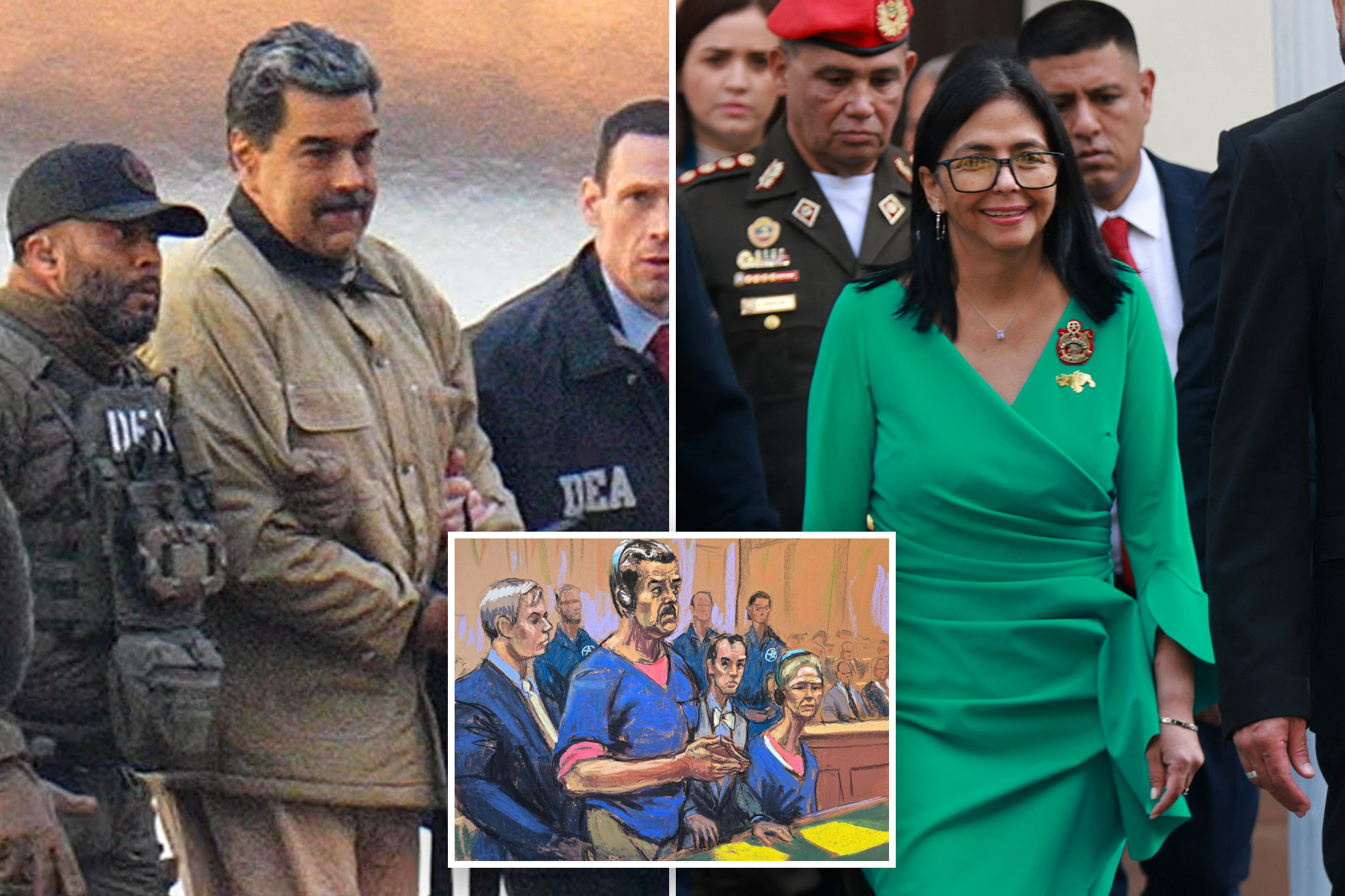
Venezuelan leader Nicolas Maduro is poised to invoke head-of-state immunity in an attempt to evade prosecution on serious charges, according to a source within the U.S. Justice Department. This legal maneuver comes as Washington maintains that Maduro is not the legitimate president of Venezuela. During his initial court appearance on March 6, 2024, Maduro asserted he remains the country’s president, a statement legal experts interpret as groundwork for a potential defense.
Maduro is facing charges that include conspiracy to commit narcoterrorism, cocaine importation, and possession of prohibited firearms. Legal analysts suggest that he may argue for immunity based on the recognition of his vice president, Delcy Rodriguez, as the de facto leader of Venezuela. Under international law, sitting heads of state are generally protected from prosecution by foreign courts; however, the U.S. stance on Maduro complicates this argument.
U.S. officials have consistently stated that they have not recognized Maduro as president since March 2019. The source noted that this lack of recognition could undermine any claim to immunity. Historical precedents, such as the case of Manuel Noriega, who attempted a similar defense after his capture in 1989, highlight the challenges Maduro may face. Former federal prosecutor Richard Gregorie, who opposed Noriega’s immunity claim, remarked that the U.S. government’s recognition is a significant factor in these cases.
Legal experts suggest that the indictment against Maduro was specifically crafted to preclude any immunity arguments. It refers to him as the “de facto leader of Venezuela,” avoiding any mention of his presidential title. Jason Marczak, vice president at the Atlantic Council’s Adrienne Arsht Latin America Center, emphasized that this language was intentional, aligning with the broader international consensus that views Maduro’s leadership as illegitimate due to electoral fraud in 2019.
The situation is further complicated by U.S. interactions with Rodriguez, which some may interpret as tacit recognition of Maduro’s government. This could be pivotal in court, as claims of immunity often rely on the nuances of diplomatic recognition. The Justice Department is reportedly concerned that without a clear disavowal of Rodriguez, Maduro might successfully argue for immunity, effectively stalling or derailing the legal proceedings against him.
Despite these complexities, Gregorie expressed skepticism about the success of Maduro’s potential defense. He pointed out that U.S. legal processes do not automatically implicate a vice president in the actions of a president unless there is direct involvement. Marczak echoed this sentiment, noting that Rodriguez was never voted into office alongside Maduro and thus her status does not confer legitimacy to his claims.
As the case unfolds, the U.S. will need to navigate these legal and diplomatic challenges carefully. The outcome may hinge on how clearly the government defines its stance on Maduro and his administration, particularly regarding Rodriguez’s role in Venezuelan politics. The Justice Department and Maduro’s legal team have not commented publicly on these developments.

KORU Medical Systems Sees 21.4% Drop in Short Interest in January

NASA’s WB-57: High-Altitude Research Aircraft Takes Flight

Chunghwa Telecom Sees 21.6% Drop in Short Interest for January

Claim Your $250 Bet Match NOW for Lakers vs. Knicks Showdown!

Court Ruling Affirms Panama Canal Independence from China

Waldencast PLC Sees 25.7% Drop in Short Interest in January

Selena Gomez Raps Kendrick Lamar’s “Not Like Us” in Viral Clip

Father and Son Reunited in Minnesota After ICE Detention

Top Infrastructure Stocks to Monitor This February

University of Hawaiʻi Joins $25.6M AI Project to Monitor Disasters

Foreign Inflows into Japan Stocks Surge to ¥1.34 Trillion

Hudson Williams Gains Popularity as Breakout Star on Heated Rivalry

Boeing’s Merger with McDonnell Douglas: A Strategic Move Explained

$1.25M Grant Advances Hawaiʻi’s Real-Time Hazard Monitoring

Sydney Sweeney Embraces Body Positivity Amid Hollywood Challenges

BOYNEXTDOOR’s Jaehyun Faces Backlash Amid BTS-TWICE Controversy

French Film Explores Group Therapy in ‘Group – The Schopenhauer Project’

Urgent Farewell: Joleen Chaney Leaves Legacy at KFOR
-
Science3 months ago
University of Hawaiʻi Joins $25.6M AI Project to Monitor Disasters
-
Business3 months ago
Foreign Inflows into Japan Stocks Surge to ¥1.34 Trillion
-
 Entertainment2 months ago
Hudson Williams Gains Popularity as Breakout Star on Heated Rivalry
-
 World3 months ago
Boeing’s Merger with McDonnell Douglas: A Strategic Move Explained
-
 Science2 months ago
$1.25M Grant Advances Hawaiʻi’s Real-Time Hazard Monitoring
-
 Entertainment3 months ago
Sydney Sweeney Embraces Body Positivity Amid Hollywood Challenges
-
 Top Stories3 months ago
BOYNEXTDOOR’s Jaehyun Faces Backlash Amid BTS-TWICE Controversy
-
 World3 months ago
French Film Explores Group Therapy in ‘Group – The Schopenhauer Project’
-
 Top Stories3 months ago
Urgent Farewell: Joleen Chaney Leaves Legacy at KFOR
-
 Top Stories3 months ago
Marc Buoniconti’s Legacy: 40 Years Later, Lives Transformed
-

 Lifestyle4 months ago
Kelsea Ballerini Launches ‘Burn the Baggage’ Candle with Ranger Station
-

 Top Stories3 months ago
Carson Wentz Out for Season After Shoulder Surgery: Urgent Update