
World
Immigration Surge Intensifies U.S. Rental Crisis Amid Demand Boom

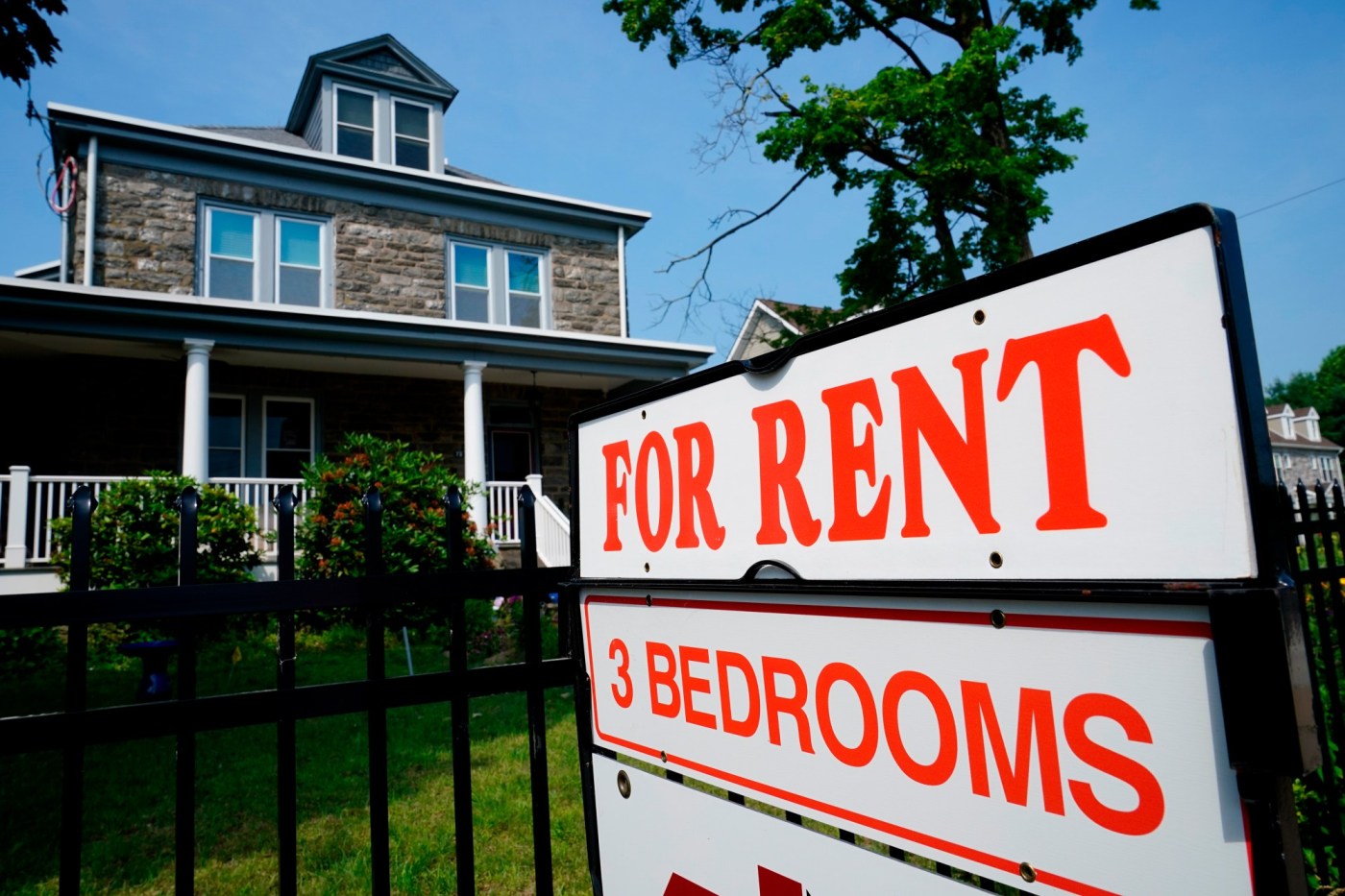
The average rent in the United States has surged to approximately $2,000 per month, marking a significant increase of 36% over the past five years, according to data from Zillow. A new report from the U.S. Department of Housing and Urban Development (HUD) attributes part of this escalation to a sharp rise in immigration during the Biden administration. The findings, outlined in HUD’s Worst Case Housing Needs 2025 Report submitted to Congress, suggest that the influx of immigrants has significantly heightened demand in the rental market.
Between 2021 and 2024, the foreign-born population in the United States increased by approximately six million people, a historic spike that HUD describes as the largest in such a brief period. The report indicates that immigration accounted for up to 100% of housing demand growth in certain regions, and roughly two-thirds of total rental demand growth nationwide during this timeframe. This analysis extends beyond undocumented immigrants, coinciding with broader estimates from the Pew Research Center, which reported the undocumented population at around 14 million in 2023.
Regional Impact and Emerging Trends
The effects of immigration on the rental market are not uniformly distributed across the country. HUD identifies California and New York as states particularly impacted by immigration-driven demand. Nationally, the growth rate of households headed by non-citizens nearly doubled post-2019, jumping from about 7% between 2015 and 2019 to 13% from 2019 to 2023. This uptick in demand occurred during a period when housing supply constraints were already significant.
Despite the focus on immigration, housing analysts caution against viewing it as the sole factor behind the current rental crisis. They argue that the housing shortage has deep roots, stemming from events such as the Great Recession of 2007-2008. Following the market collapse, homebuilding plummeted, resulting in numerous bankruptcies within the construction industry and a long-term decline in new housing starts. Data from the St. Louis Federal Reserve indicates that the industry has yet to recover to pre-2008 levels.
According to Bankrate, a balanced housing market typically requires five to six months of available housing supply. Currently, the U.S. has about 3.5 months of supply, an improvement since pandemic lows but still well below healthy levels. Critics argue that immigration has not initiated the housing crisis but rather exacerbated an already strained system.
Additional Factors Contributing to the Crisis
The housing shortage is further complicated by the activities of large investors. A report from Realtor.com found that investor buyers accounted for 14.8% of all home purchases in the first quarter of 2024, the highest share recorded since tracking began. Many of these homes are acquired for rental purposes or to be flipped, which diminishes the number of properties available for individual buyers and places further upward pressure on rental prices.
The impact of this situation is profound. Many prospective homeowners are increasingly unable to enter the market, tightening rental supply and pushing prices higher. The HUD report has ignited a contentious debate, with proponents arguing that the data shows immigration has materially increased housing demand. Conversely, economists and housing advocates contend that sustained homebuilding over the past 15 years could have mitigated the destabilizing effects of such demand shocks.
As the discussion evolves, it is clear that the interplay between immigration, housing demand, and market dynamics will continue to shape the rental landscape in the United States.

Urgent Update: Shelter Cat Cordova Finds Home After 707 Days

Fortnite x Bleach Skins Launching Soon: Prices & Details Revealed

Netflix’s Last Samurai Standing Renewed for Season 2 Amid Breakout Success

Ukrainian Drones Strike Russian Tanker in Mediterranean Sea

Phraction Management Increases Stake in Honeywell International

Exploring Environmental Robotics with ETH Zürich’s Stefano Mintchev

Trinity Capital Inc. Declares Monthly Dividend of $0.17 for March 31

Immigration Surge Intensifies U.S. Rental Crisis Amid Demand Boom

Christmas Carols: Reflecting Traditions and Faith This Season

University of Hawaiʻi Joins $25.6M AI Project to Monitor Disasters

Foreign Inflows into Japan Stocks Surge to ¥1.34 Trillion

BOYNEXTDOOR’s Jaehyun Faces Backlash Amid BTS-TWICE Controversy

Boeing’s Merger with McDonnell Douglas: A Strategic Move Explained

Carson Wentz Out for Season After Shoulder Surgery: Urgent Update

Sydney Sweeney Embraces Body Positivity Amid Hollywood Challenges

Marc Buoniconti’s Legacy: 40 Years Later, Lives Transformed

Kelsea Ballerini Launches ‘Burn the Baggage’ Candle with Ranger Station

Innovative Surgery Restores Confidence for Breast Cancer Patients
-
Science2 months ago
University of Hawaiʻi Joins $25.6M AI Project to Monitor Disasters
-
Business2 months ago
Foreign Inflows into Japan Stocks Surge to ¥1.34 Trillion
-
 Top Stories2 months ago
BOYNEXTDOOR’s Jaehyun Faces Backlash Amid BTS-TWICE Controversy
-
 World2 months ago
Boeing’s Merger with McDonnell Douglas: A Strategic Move Explained
-
 Top Stories2 months ago
Carson Wentz Out for Season After Shoulder Surgery: Urgent Update
-
 Entertainment2 months ago
Sydney Sweeney Embraces Body Positivity Amid Hollywood Challenges
-
 Top Stories2 months ago
Marc Buoniconti’s Legacy: 40 Years Later, Lives Transformed
-
 Lifestyle2 months ago
Kelsea Ballerini Launches ‘Burn the Baggage’ Candle with Ranger Station
-
 Health2 months ago
Innovative Surgery Restores Confidence for Breast Cancer Patients
-

 Sports2 months ago
Steve Kerr Supports Jonathan Kuminga After Ejection in Preseason Game
-

 Entertainment2 months ago
Zoe Saldana Advocates for James Cameron’s Avatar Documentary
-

 Science2 months ago
Chicago’s Viral ‘Rat Hole’ Likely Created by Squirrel, Study Reveals