
World
European Leaders Reject Trump’s Ukraine Peace Proposal

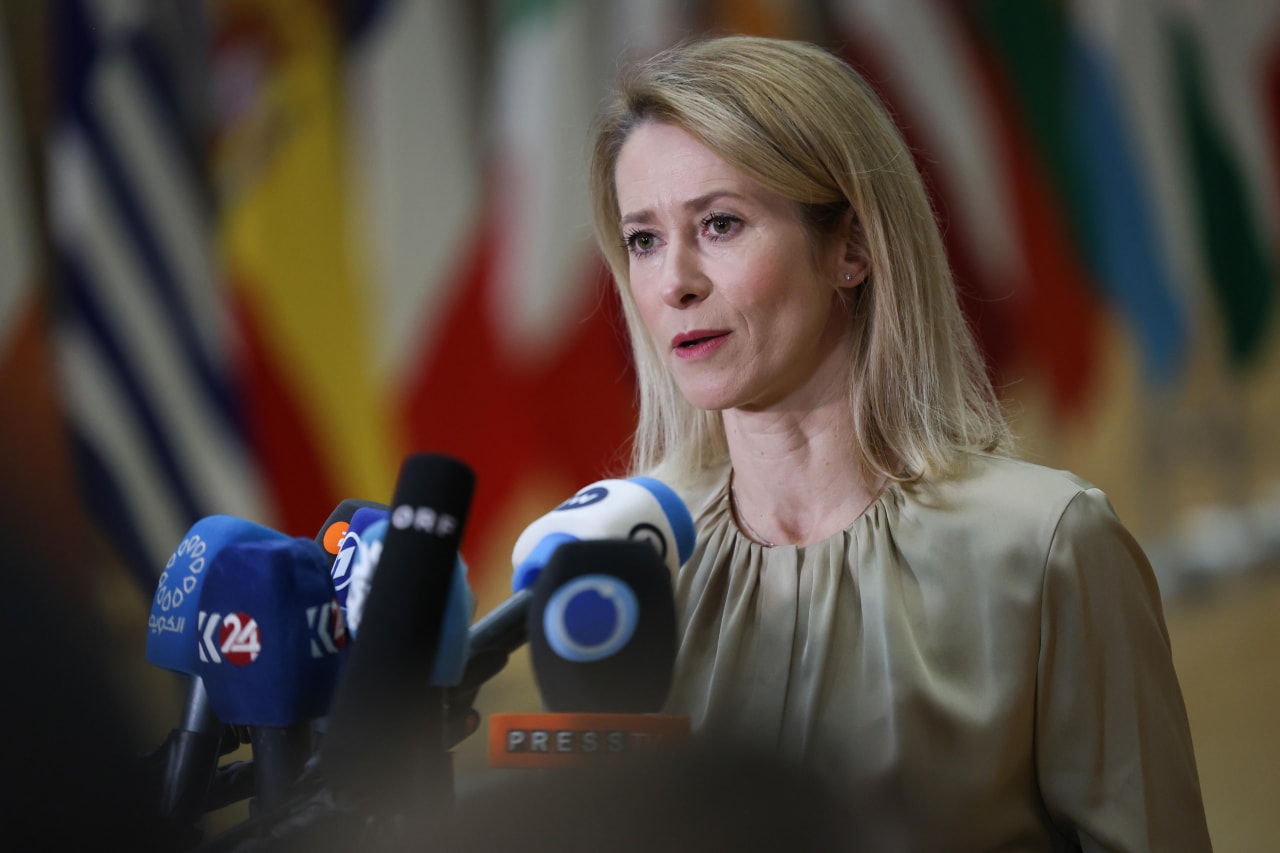
The peace plan for Ukraine proposed by former President Donald Trump has faced significant opposition from European leaders and officials in Kyiv. At a press conference on February 15, 2024, European Union representatives emphasized that any peace agreement requires Ukrainian consent and must not result in a capitulation by Ukraine.
European officials expressed concerns that Trump’s proposal, which calls for a swift resolution to the conflict, may undermine Ukraine’s sovereignty and territorial integrity. Volodymyr Zelenskyy, President of Ukraine, reiterated these sentiments, stating that any peace negotiations must ensure lasting security for his country. He highlighted the need for a diplomatic solution that prioritizes Ukraine’s interests and territorial claims.
The backdrop to these discussions is the ongoing conflict, which has persisted since Russia’s annexation of Crimea in 2014 and escalated with the full-scale invasion in 2022. European leaders are wary of any resolution that could set a precedent where Ukraine is pressured to concede territory to Russia. During the press conference, one official noted, “This conflict cannot end with Ukraine losing its land or its resolve.”
International Reactions to the Proposal
Trump’s peace plan has garnered mixed reactions in the United States. While some view it as an opportunity for diplomatic engagement, others criticize it for appearing overly lenient towards Russia. Prominent members of the NATO alliance also expressed skepticism, stressing that any proposal must align with the alliance’s collective defense commitments.
The former president’s approach stands in stark contrast to the policies championed by the current administration, which has emphasized a robust military support strategy for Ukraine. The Biden administration has committed substantial financial aid, amounting to over $100 billion since the onset of the conflict, aimed at bolstering Ukraine’s defenses against Russian aggression.
As the situation evolves, European nations are likely to continue advocating for a unified stance that prioritizes Ukraine’s sovereignty. Discussions surrounding peace negotiations will remain a focal point in international relations, particularly as the conflict enters its third year.
The Path Forward for Ukraine
Looking ahead, the Ukrainian government is expected to maintain its position against any peace plan that does not guarantee its territorial integrity. Officials in Kyiv are preparing for further discussions with their European counterparts, aiming to build a coalition that supports a strong and independent Ukraine.
In the coming weeks, diplomatic efforts will intensify as Ukraine seeks to consolidate support from both Europe and the United States. The outcome of these discussions could significantly influence the trajectory of the conflict and the broader geopolitical landscape in Europe.
As the international community watches closely, the emphasis remains on fostering a resolution that respects Ukraine’s rights and ensures lasting peace in the region. The stakes are high, and the need for a balanced approach in negotiations is more crucial than ever.

Mayor Names Alan Wong as District 4 Supervisor Amid Controversy

Study Reveals Nitrous Oxide’s Potential in Treating Depression

Walmart Launches Massive Cyber Monday Sales Starting at $5

Rep. Don Bacon Criticizes White House for Lack of Clarity on Ukraine

UK Report Reveals Rise of AI in University Research Evaluation

Florida Hires Jon Sumrall as Head Coach: Implications for FSU Football

Trump Promises to Release MRI Results from October Scan

South Korea Implements Urgent FX Oversight Amid Market Instability

Tampa Lights Up Riverwalk for Holidays with Grand Tree Lighting

University of Hawaiʻi Joins $25.6M AI Project to Monitor Disasters

Foreign Inflows into Japan Stocks Surge to ¥1.34 Trillion

BOYNEXTDOOR’s Jaehyun Faces Backlash Amid BTS-TWICE Controversy

Carson Wentz Out for Season After Shoulder Surgery: Urgent Update

Marc Buoniconti’s Legacy: 40 Years Later, Lives Transformed

Innovative Surgery Restores Confidence for Breast Cancer Patients

Steve Kerr Supports Jonathan Kuminga After Ejection in Preseason Game

Kelsea Ballerini Launches ‘Burn the Baggage’ Candle with Ranger Station

Chicago’s Viral ‘Rat Hole’ Likely Created by Squirrel, Study Reveals
-
Science4 weeks ago
University of Hawaiʻi Joins $25.6M AI Project to Monitor Disasters
-
Business1 month ago
Foreign Inflows into Japan Stocks Surge to ¥1.34 Trillion
-
 Top Stories1 month ago
BOYNEXTDOOR’s Jaehyun Faces Backlash Amid BTS-TWICE Controversy
-
 Top Stories1 month ago
Carson Wentz Out for Season After Shoulder Surgery: Urgent Update
-
 Top Stories1 month ago
Marc Buoniconti’s Legacy: 40 Years Later, Lives Transformed
-
 Health1 month ago
Innovative Surgery Restores Confidence for Breast Cancer Patients
-
 Sports2 months ago
Steve Kerr Supports Jonathan Kuminga After Ejection in Preseason Game
-
 Lifestyle2 months ago
Kelsea Ballerini Launches ‘Burn the Baggage’ Candle with Ranger Station
-
 Science2 months ago
Chicago’s Viral ‘Rat Hole’ Likely Created by Squirrel, Study Reveals
-

 Lifestyle2 months ago
Dua Lipa Celebrates Passing GCSE Spanish During World Tour
-

 Entertainment2 months ago
Zoe Saldana Advocates for James Cameron’s Avatar Documentary
-

 Politics2 months ago
Dallin H. Oaks Assumes Leadership of Latter-day Saints Church