
World
EU Lawmakers Approve €1.5 Billion Defense Program for Ukraine

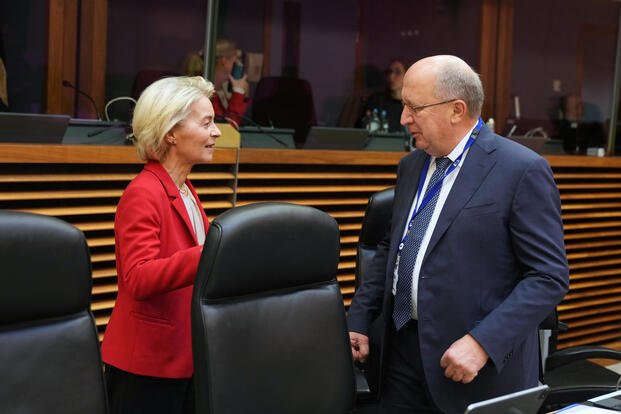
The European Union (EU) has taken a significant step towards strengthening its defense ties with Ukraine by approving a €1.5 billion ($1.7 billion) defense program. On March 14, 2024, the European Parliament voted in favor of the initiative with a tally of 457 votes in favor, 148 against, and 33 abstentions. This program includes €300 million ($345 million) allocated specifically for the Ukraine Support Instrument, underscoring the bloc’s commitment to enhancing Ukraine’s military capabilities amid ongoing conflict.
Raphaël Glucksmann, a member of the European Parliament from France’s S&D party, emphasized the importance of this initiative, stating that it will facilitate the development of a more resilient and sovereign Europe. He highlighted the need for a robust military partnership with Ukraine to effectively safeguard democratic values across the continent. “This is key to making sure we can protect our democracies effectively and autonomously,” Glucksmann remarked.
EU Defense Commissioner Andrius Kubilius also addressed lawmakers, asserting that the collaboration with Ukraine is crucial for both parties. While he did not directly reference the ongoing peace negotiations aimed at resolving the conflict, he noted, “Ukraine’s defense industry needs us, but we need Ukraine’s defense innovations even more.” Kubilius explained that this program will allow Ukrainian companies to access the EU’s Defence Investment Program, thus enabling them to procure defense equipment tailored for their needs.
The context of this decision reflects a broader shift in the EU’s defense strategy, particularly following Russia’s full-scale invasion of Ukraine on February 24, 2022. EU defense spending is projected to reach approximately €392 billion (over $450 billion) in 2024, nearly double the figures from four years prior. The European Commission anticipates that around €3.4 trillion ($4 trillion) will be allocated to defense initiatives over the next decade. In light of these developments, the Commission plans to propose an increase in the EU’s long-term budget for defense and space to €131 billion ($153 billion).
Kubilius articulated the EU’s vision for a strong defense posture, stating, “We shall be powerful geopolitically if we shall be strong in our defense, and we shall be strong in defense if we shall be strong in our defense industry.” This sentiment underscores a commitment to industrial independence and a more unified approach to military procurement among EU member states.
To further bolster its defense capabilities, EU nations are being encouraged to source military equipment primarily from within the bloc, minimizing dependence on external suppliers. This strategy aims to streamline procurement processes and enhance the efficiency of defense spending. Under the new roadmap, countries should only consider purchasing foreign equipment when it is more cost-effective or reliable.
Kubilius also pointed out that EU-based defense firms can access tax incentives and financial support for collaborative defense projects that benefit all member states. He mentioned initiatives like the Eastern Flank Watch and the Drone Defense Initiative, which aim to integrate Ukrainian military innovations into the European defense landscape.
In a recent defensive strategy rollout, the European Commission introduced measures designed to expedite the deployment of tanks and troops across Europe. This includes the EU Defense Industry Transformation Roadmap, which aims to harmonize regulations and enhance investment in domestic production of military assets, from weapons to satellites.
Kubilius concluded the discussion before the vote by emphasizing the importance of a strong European defense industry, drawing from historical lessons. “My country Lithuania was really a victim of such previous policies prevailing in the European continent,” he said, referring to the Soviet occupation. “That is why I am for a strong Europe and a strong European defense industry.”
The approval of this defense program marks a pivotal moment for both the EU and Ukraine, as they navigate a complex security landscape while striving for greater military cooperation and strategic autonomy.

Lakers Claim Seventh Straight Win Against Pelicans Without LeBron

University of Arizona Researchers Uncover Key to Preventing Scar Tissue

Vanderbilt Athletics Achieves Milestone Victories Over Thanksgiving Weekend

Four Arrested in Australia for Alleged Role in Child Abuse Ring

Urgent Update: Massive Fire Erupts at Oklahoma City Apartments

Elon Musk Claims AI Will Resolve U.S. Debt Crisis in 3 Years

Shai Gilgeous-Alexander Eyes Wilt Chamberlain’s Scoring Record

Knicks Dominate Raptors 116-94, Extend Home Win Streak to 10

Hallmark Premieres ‘Christmas at the Catnip Café’ Tonight!

University of Hawaiʻi Joins $25.6M AI Project to Monitor Disasters

Foreign Inflows into Japan Stocks Surge to ¥1.34 Trillion

BOYNEXTDOOR’s Jaehyun Faces Backlash Amid BTS-TWICE Controversy

Carson Wentz Out for Season After Shoulder Surgery: Urgent Update

Marc Buoniconti’s Legacy: 40 Years Later, Lives Transformed

Innovative Surgery Restores Confidence for Breast Cancer Patients

Steve Kerr Supports Jonathan Kuminga After Ejection in Preseason Game

Kelsea Ballerini Launches ‘Burn the Baggage’ Candle with Ranger Station

Chicago’s Viral ‘Rat Hole’ Likely Created by Squirrel, Study Reveals
-
Science4 weeks ago
University of Hawaiʻi Joins $25.6M AI Project to Monitor Disasters
-
Business1 month ago
Foreign Inflows into Japan Stocks Surge to ¥1.34 Trillion
-
 Top Stories1 month ago
BOYNEXTDOOR’s Jaehyun Faces Backlash Amid BTS-TWICE Controversy
-
 Top Stories1 month ago
Carson Wentz Out for Season After Shoulder Surgery: Urgent Update
-
 Top Stories1 month ago
Marc Buoniconti’s Legacy: 40 Years Later, Lives Transformed
-
 Health1 month ago
Innovative Surgery Restores Confidence for Breast Cancer Patients
-
 Sports2 months ago
Steve Kerr Supports Jonathan Kuminga After Ejection in Preseason Game
-
 Lifestyle2 months ago
Kelsea Ballerini Launches ‘Burn the Baggage’ Candle with Ranger Station
-
 Science2 months ago
Chicago’s Viral ‘Rat Hole’ Likely Created by Squirrel, Study Reveals
-

 Entertainment2 months ago
Zoe Saldana Advocates for James Cameron’s Avatar Documentary
-

 Lifestyle2 months ago
Dua Lipa Celebrates Passing GCSE Spanish During World Tour
-

 Business2 months ago
Tyler Technologies Set to Reveal Q3 2025 Earnings on October 22