
World
Dick Cheney Reflects on Iraq and the Consequences of Regime Change

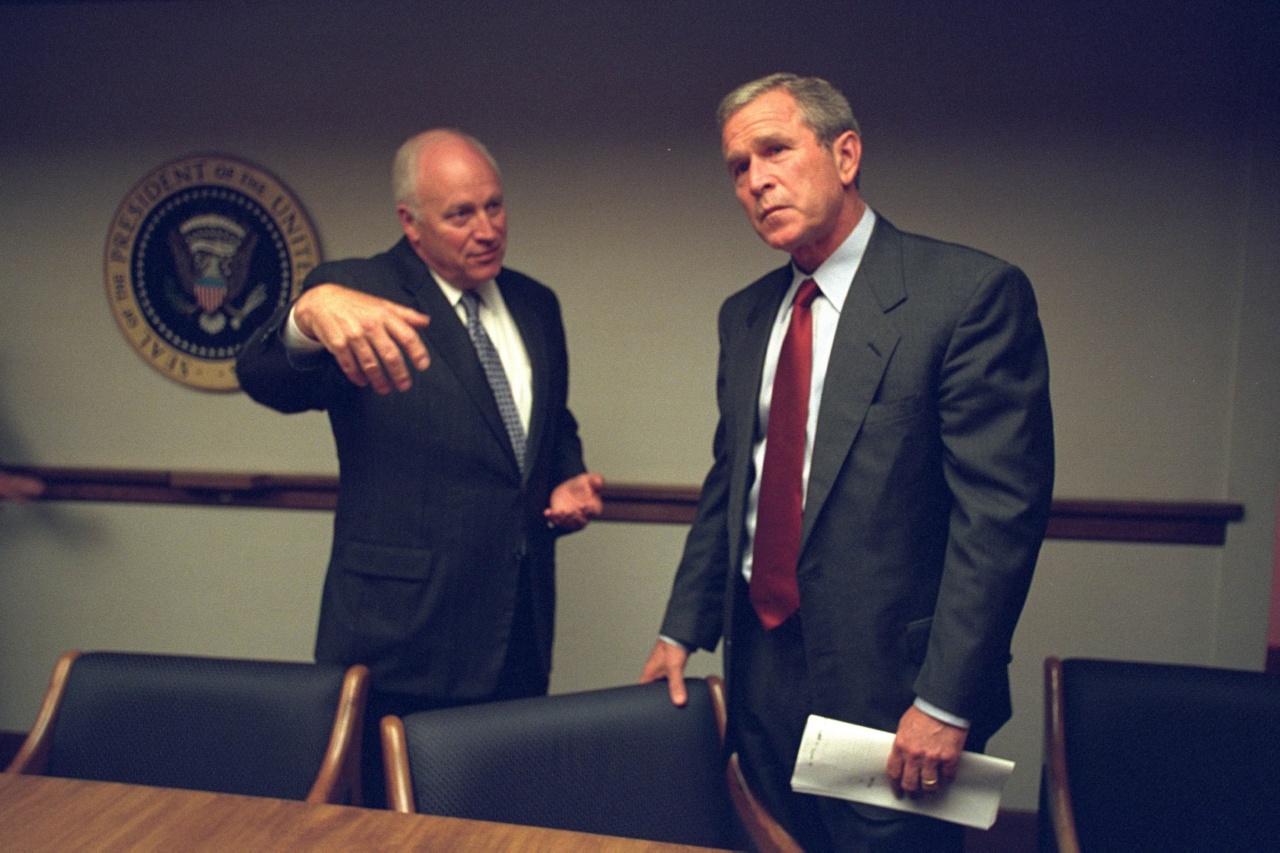
Former U.S. Vice President Dick Cheney has recently expressed his views on the outcomes of the Iraq War and the broader implications of regime change in the Middle East. In a series of interviews and public statements, he has reiterated his belief that the invasion of Iraq, initiated in 2003, was justified and has had significant geopolitical consequences.
Cheney, who served under President George W. Bush, was a key proponent of the decision to invade Iraq following the September 11, 2001 attacks. He argues that the removal of Saddam Hussein was essential for regional stability and that the U.S. efforts in Iraq should not be viewed solely through the lens of immediate outcomes. Instead, he claims the overarching narrative encompasses the promotion of democracy and the containment of terrorism.
The former vice president’s assertions are rooted in his perspective on long-term strategic goals. “The actions taken in Iraq were not just about Iraq,” Cheney stated in a recent interview. “They were about reshaping the Middle East and preventing regimes that supported terrorism.” This viewpoint reflects a broader thinking within the U.S. government at the time, which believed that authoritarian regimes in the region contributed to global instability.
Critics of the Iraq War, including former military officials and intelligence analysts, argue that Cheney’s perspective overlooks the chaos that ensued post-invasion. The rise of extremist groups such as ISIS and the ongoing civil strife in Iraq are often cited as evidence that the consequences of regime change were far more complex than initially anticipated. Additionally, public sentiment in the U.S. has shifted, with many Americans expressing regret over the war and questioning the motivations behind it.
Economic Impact and Corporate Interests
The economic ramifications of the Iraq War have been profound. According to the Cost of War Project at Brown University, the financial toll of the war has exceeded $2 trillion, with ongoing costs continuing to burden the U.S. economy. Cheney’s ties to corporate interests, particularly with Halliburton, have raised questions about the motivations behind the war. Critics suggest that profit-driven motives may have influenced the decision-making process, casting a long shadow over the administration’s narrative.
In his defense, Cheney emphasizes the importance of national security and argues that the military interventions have helped to dismantle terrorist networks. “We can’t afford to take the risk of allowing these regimes to remain in power,” he noted. This sentiment resonates with a faction of U.S. policymakers who continue to advocate for a robust military presence in the Middle East.
The Legacy of Regime Change
The legacy of the Iraq War continues to shape U.S. foreign policy today. Policymakers grapple with the lessons learned from Iraq as they consider interventions in other nations. The situation in Afghanistan, where the U.S. recently withdrew troops, serves as a reminder of the challenges associated with regime change.
Cheney remains unapologetic about his role in the Iraq War, asserting that the long-term benefits justify the initial costs. “History will judge these decisions, and I believe it will be favorable,” he stated. This conviction underscores a broader debate about the effectiveness of military interventions and the moral implications of regime change.
As the world reflects on the events of the early 2000s, Cheney’s assertions invite examination of the complex interplay between national security, economic interests, and ethical considerations in foreign policy. The consequences of the Iraq War continue to be felt, shaping the geopolitical landscape in ways that were not fully understood at the time of decision-making.

South Korea Implements Urgent FX Oversight Amid Market Instability

Tampa Lights Up Riverwalk for Holidays with Grand Tree Lighting

Urgent Cyber Monday Mattress Deals: Save Up to 59% Right Now!

New Zealand Building Permits Fall 0.9% in October, FX Market Stable

Alexander Skarsgård Celebrates Nomination at BIFA 2025

NYPD Faces Backlash Over Heavy Response to Chinatown Protest

Republicans Face Urgent Decisions on Affordable Care Act Subsidies

Philipsburg Unveils Pennsylvania’s Tallest Santa Amid Festive Cheer

U.S. and Ukraine Leaders Meet to Revive Peace Talks Amid Conflict

University of Hawaiʻi Joins $25.6M AI Project to Monitor Disasters

Foreign Inflows into Japan Stocks Surge to ¥1.34 Trillion

BOYNEXTDOOR’s Jaehyun Faces Backlash Amid BTS-TWICE Controversy

Carson Wentz Out for Season After Shoulder Surgery: Urgent Update

Marc Buoniconti’s Legacy: 40 Years Later, Lives Transformed

Innovative Surgery Restores Confidence for Breast Cancer Patients

Steve Kerr Supports Jonathan Kuminga After Ejection in Preseason Game

Kelsea Ballerini Launches ‘Burn the Baggage’ Candle with Ranger Station

Chicago’s Viral ‘Rat Hole’ Likely Created by Squirrel, Study Reveals
-
Science4 weeks ago
University of Hawaiʻi Joins $25.6M AI Project to Monitor Disasters
-
Business1 month ago
Foreign Inflows into Japan Stocks Surge to ¥1.34 Trillion
-
 Top Stories1 month ago
BOYNEXTDOOR’s Jaehyun Faces Backlash Amid BTS-TWICE Controversy
-
 Top Stories1 month ago
Carson Wentz Out for Season After Shoulder Surgery: Urgent Update
-
 Top Stories1 month ago
Marc Buoniconti’s Legacy: 40 Years Later, Lives Transformed
-
 Health1 month ago
Innovative Surgery Restores Confidence for Breast Cancer Patients
-
 Sports2 months ago
Steve Kerr Supports Jonathan Kuminga After Ejection in Preseason Game
-
 Lifestyle2 months ago
Kelsea Ballerini Launches ‘Burn the Baggage’ Candle with Ranger Station
-
 Science2 months ago
Chicago’s Viral ‘Rat Hole’ Likely Created by Squirrel, Study Reveals
-

 Entertainment2 months ago
Zoe Saldana Advocates for James Cameron’s Avatar Documentary
-

 Lifestyle2 months ago
Dua Lipa Celebrates Passing GCSE Spanish During World Tour
-

 Business2 months ago
Tyler Technologies Set to Reveal Q3 2025 Earnings on October 22