
Top Stories
Urgent Update: Mount Rainier Loses Height Amid Climate Crisis


UPDATE: New research reveals that Mount Rainier is losing height due to significant ice loss, marking a troubling trend for the iconic peak and other mountains across the contiguous United States. A study published in the journal Arctic, Antarctic and Alpine Research confirms that Mount Rainier has shrunk by nearly 21 feet since 1980, now standing below its former elevation of 14,410 feet.
The alarming findings are primarily attributed to climate change, with average air temperatures on these summits rising by 5.5 degrees Fahrenheit since the 1950s. As temperatures soar, the frequency of days exceeding freezing is increasing, leading to unprecedented ice melt even at the highest elevations. According to Eric Gilbertson, an associate teaching professor at Seattle University and a coauthor of the study, this trend is deeply concerning.
Mount Rainier, hailed as the “most glaciated peak in the contiguous United States,” plays a critical role in the local ecosystem. The glaciers provide vital water for rivers, drinking water for communities, and maintain cold-water habitats essential for salmon. As these glaciers continue to melt, the implications for both human populations and wildlife could be catastrophic.
“Melting glaciers are a climate tipping point and a clear indicator of significant change,” stated Scott Hotaling, an associate professor at Utah State University and another contributor to the study. He emphasized that the loss of ice at such high altitudes serves as a stark reminder of the impacts of climate change on these once-pristine landscapes.
The researchers undertook a grueling task to gather accurate data, hiking to the mountain peaks equipped with high-precision GPS devices. They conducted hour-long readings on both ice and nearby rock outcrops, comparing measurements with laser-mapping data and historical photos to assess the changing shapes of the mountains. These findings have been submitted to the National Park Service, though Scott Beason, a geologist with the agency, noted that official elevation adjustments are managed by the U.S. Geological Survey and no formal changes have been made yet.
This research highlights the urgent need for comprehensive databases to track ice loss on mountain summits, as current resources are lacking. “We have entered a new era for the western U.S. cryosphere,” the study concludes, warning that wherever there is perennial ice, it is likely melting.
As the situation develops, environmental advocates and policymakers are urged to take immediate action to address climate change and protect these essential ecosystems. The implications of this research extend beyond just Mount Rainier, signaling a broader crisis that affects regions globally.
Stay tuned for further updates on this critical issue, as the consequences of climate change continue to unfold in real time.

NASCAR Star Greg Biffle’s Family Killed in Fiery Plane Crash

US Allies Deploy Anti-Ship Missiles Near China Amid Rising Tensions

Stocks to Monitor: Nike, FedEx, and Conagra Ahead of Market Open

Last-Minute Holiday Gifts Under $30: Shop Now Before It’s Too Late!

Celebrating Notable Birthdays on December 19: Stars Shine Bright

Find Unique Last-Minute Holiday Gifts Under $30

Readers React to Israel’s Role, U.S. Actions in Venezuela

New Research Reveals Hidden Dangers of Cosmic Airbursts

Brown University Shooting Suspect Claudio Valente Found Dead

University of Hawaiʻi Joins $25.6M AI Project to Monitor Disasters

Foreign Inflows into Japan Stocks Surge to ¥1.34 Trillion

BOYNEXTDOOR’s Jaehyun Faces Backlash Amid BTS-TWICE Controversy

Boeing’s Merger with McDonnell Douglas: A Strategic Move Explained

Carson Wentz Out for Season After Shoulder Surgery: Urgent Update

Sydney Sweeney Embraces Body Positivity Amid Hollywood Challenges

Marc Buoniconti’s Legacy: 40 Years Later, Lives Transformed

Kelsea Ballerini Launches ‘Burn the Baggage’ Candle with Ranger Station

Innovative Surgery Restores Confidence for Breast Cancer Patients
-
Science2 months ago
University of Hawaiʻi Joins $25.6M AI Project to Monitor Disasters
-
Business2 months ago
Foreign Inflows into Japan Stocks Surge to ¥1.34 Trillion
-
 Top Stories2 months ago
BOYNEXTDOOR’s Jaehyun Faces Backlash Amid BTS-TWICE Controversy
-
 World2 months ago
Boeing’s Merger with McDonnell Douglas: A Strategic Move Explained
-
 Top Stories2 months ago
Carson Wentz Out for Season After Shoulder Surgery: Urgent Update
-
 Entertainment2 months ago
Sydney Sweeney Embraces Body Positivity Amid Hollywood Challenges
-
 Top Stories2 months ago
Marc Buoniconti’s Legacy: 40 Years Later, Lives Transformed
-
 Lifestyle2 months ago
Kelsea Ballerini Launches ‘Burn the Baggage’ Candle with Ranger Station
-
 Health2 months ago
Innovative Surgery Restores Confidence for Breast Cancer Patients
-

 Sports2 months ago
Steve Kerr Supports Jonathan Kuminga After Ejection in Preseason Game
-

 Entertainment2 months ago
Zoe Saldana Advocates for James Cameron’s Avatar Documentary
-
 Science2 months ago
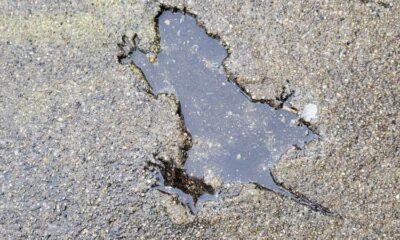
Chicago’s Viral ‘Rat Hole’ Likely Created by Squirrel, Study Reveals