
Top Stories
U.S. Military Escalates Pressure on Venezuela with B-52 Strikes

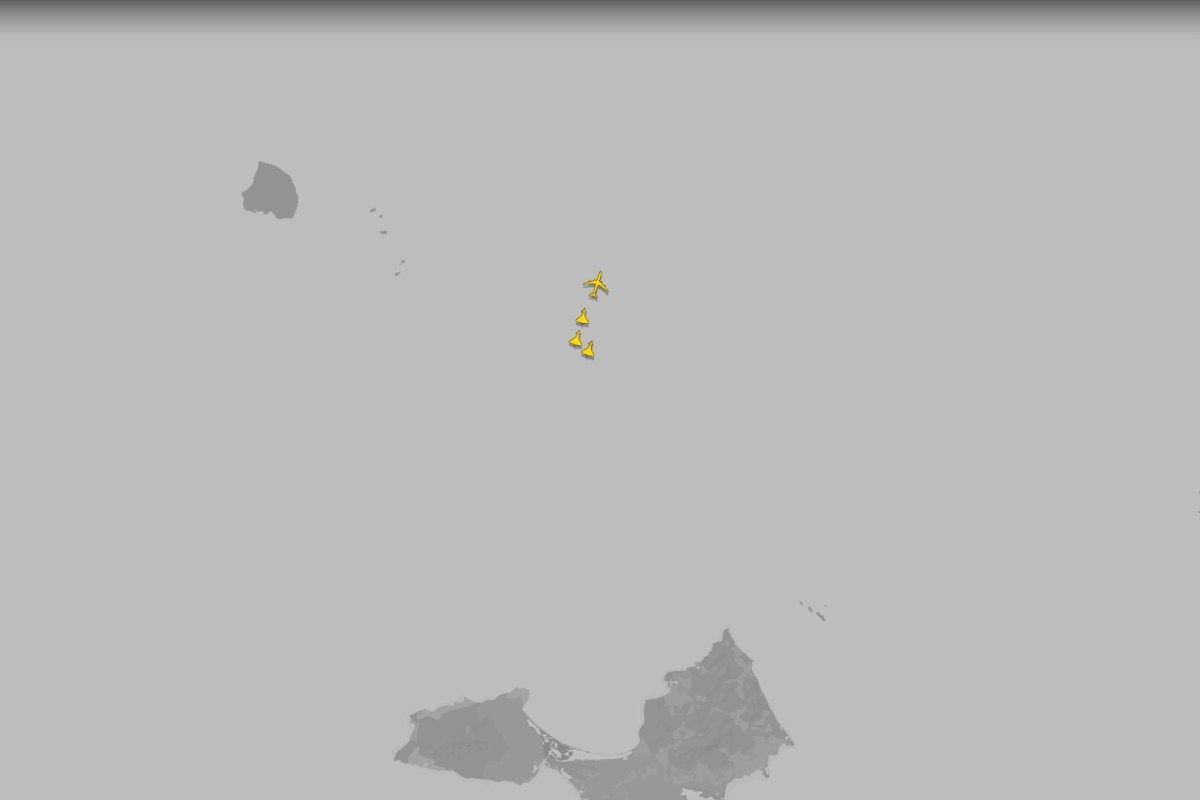
UPDATE: A U.S. B-52 bomber conducted a significant flight over the Caribbean Sea, passing near Venezuela on October 23, 2023, according to open-source flight-tracking data. This operation is part of a rapid escalation of U.S. military activities aimed at increasing pressure on Venezuelan President Nicolás Maduro and his government.
The B-52, accompanied by F/A-18 Super Hornets, is engaged in operations that are shifting from a focus on drug trafficking to broader military maneuvers against Venezuela’s regime. This mission marks the second such flight in just five days, reflecting an urgent response to the ongoing situation in the region.
This development is critical as it signals the U.S. government’s commitment to a more aggressive posture in the southern Caribbean. The Trump administration’s recent designation of the Cartel de los Soles as a terrorist organization has intensified these military efforts, with officials stating that “all options” are on the table.
In a stark warning, Secretary of Defense Pete Hegseth emphasized the U.S.’s unmatched ability to strike land and sea threats, stating, “Don’t get in a boat because it’s going to end poorly for you.” This comes as U.S. military assets, including two Boeing B-52H Stratofortress bombers and a Lockheed Martin C-130J-30 Super Hercules, were reported to be the most tracked flights on the evening of October 23, all moving south over the Americas.
The operation, known as Operation Southern Spear, aims to disrupt illicit drug trafficking and narco-terrorist activities near Venezuelan waters. Hegseth mentioned that the new terror designation provides additional tools to U.S. forces, facilitating a more robust response to threats in the region.
In reaction to the U.S. actions, Venezuelan officials have condemned the military presence. Venezuelan Foreign Minister Yan Gil stated, “The Bolivarian Republic of Venezuela urges the U.S. government to correct this erratic policy of aggression,” referring to the interventions as a “ridiculous scheme” meant to justify unlawful actions against Venezuela.
What Happens Next: The U.S. is prepared to extend its military pressure, similar to tactics used against extremist groups abroad, although no plans for direct strikes on land targets inside Venezuela have been confirmed. Hegseth affirmed that daily strategy meetings are ongoing to determine the most effective actions moving forward.
As tensions escalate, the implications of these military maneuvers could have far-reaching effects on regional stability and U.S.-Venezuela relations. The international community is closely monitoring these developments, which could redefine the geopolitical landscape in South America.
Stay tuned for more updates as this situation unfolds.

Fatal Motorcycle Crash Closes I-80 in Berkeley, Traffic Jam Ensues

Andrew’s Potential Memoir Could Fetch Up to $30 Million

Lakers Claim Seventh Straight Win Against Pelicans Without LeBron

University of Arizona Researchers Uncover Key to Preventing Scar Tissue

Vanderbilt Athletics Achieves Milestone Victories Over Thanksgiving Weekend

Four Arrested in Australia for Alleged Role in Child Abuse Ring

Urgent Update: Massive Fire Erupts at Oklahoma City Apartments

Elon Musk Claims AI Will Resolve U.S. Debt Crisis in 3 Years

Shai Gilgeous-Alexander Eyes Wilt Chamberlain’s Scoring Record

University of Hawaiʻi Joins $25.6M AI Project to Monitor Disasters

Foreign Inflows into Japan Stocks Surge to ¥1.34 Trillion

BOYNEXTDOOR’s Jaehyun Faces Backlash Amid BTS-TWICE Controversy

Carson Wentz Out for Season After Shoulder Surgery: Urgent Update

Marc Buoniconti’s Legacy: 40 Years Later, Lives Transformed

Innovative Surgery Restores Confidence for Breast Cancer Patients

Steve Kerr Supports Jonathan Kuminga After Ejection in Preseason Game

Kelsea Ballerini Launches ‘Burn the Baggage’ Candle with Ranger Station

Chicago’s Viral ‘Rat Hole’ Likely Created by Squirrel, Study Reveals
-
Science4 weeks ago
University of Hawaiʻi Joins $25.6M AI Project to Monitor Disasters
-
Business1 month ago
Foreign Inflows into Japan Stocks Surge to ¥1.34 Trillion
-
 Top Stories1 month ago
BOYNEXTDOOR’s Jaehyun Faces Backlash Amid BTS-TWICE Controversy
-
 Top Stories1 month ago
Carson Wentz Out for Season After Shoulder Surgery: Urgent Update
-
 Top Stories1 month ago
Marc Buoniconti’s Legacy: 40 Years Later, Lives Transformed
-
 Health1 month ago
Innovative Surgery Restores Confidence for Breast Cancer Patients
-
 Sports2 months ago
Steve Kerr Supports Jonathan Kuminga After Ejection in Preseason Game
-
 Lifestyle2 months ago
Kelsea Ballerini Launches ‘Burn the Baggage’ Candle with Ranger Station
-
 Science2 months ago
Chicago’s Viral ‘Rat Hole’ Likely Created by Squirrel, Study Reveals
-

 Entertainment2 months ago
Zoe Saldana Advocates for James Cameron’s Avatar Documentary
-

 Lifestyle2 months ago
Dua Lipa Celebrates Passing GCSE Spanish During World Tour
-

 Business2 months ago
Tyler Technologies Set to Reveal Q3 2025 Earnings on October 22