
Top Stories
Scientists Announce Breakthrough in Recharging Aging Human Cells

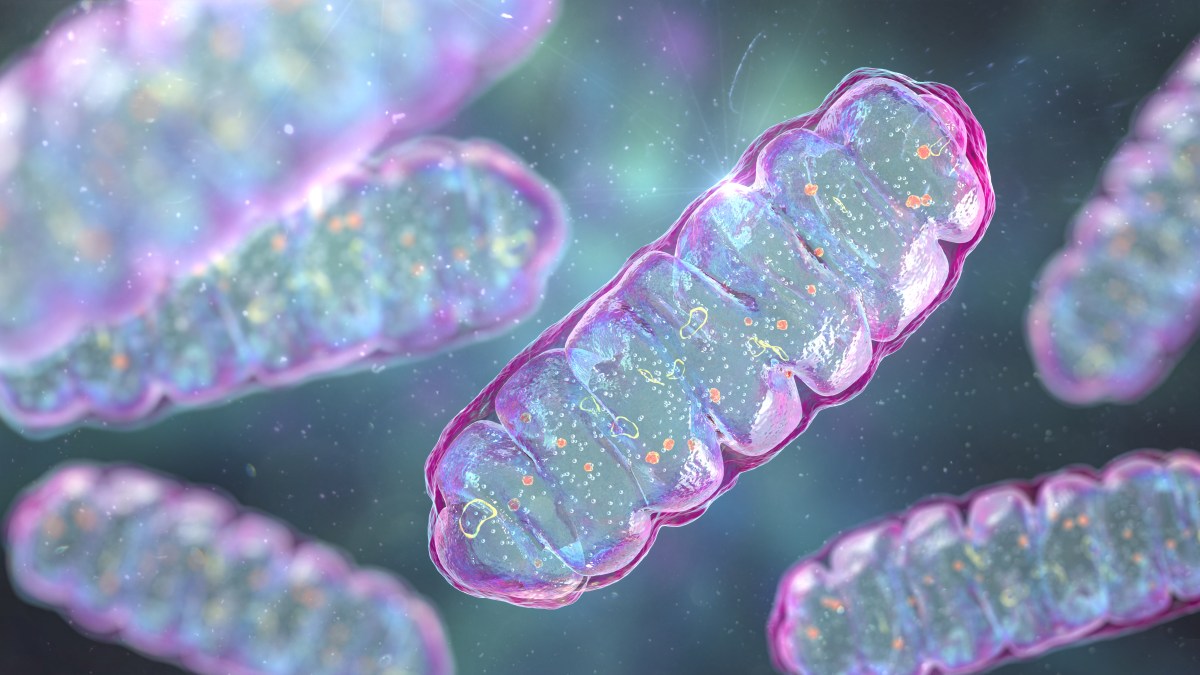
BREAKING: Scientists at Texas A&M University have made a stunning breakthrough that could revolutionize modern medicine by “recharging” aging human tissues. This urgent discovery, announced today, suggests a method to halt or even reverse cellular energy decline, a development that could impact millions suffering from age-related diseases.
The research team has discovered a way to rejuvenate old and damaged human cells by replacing their mitochondria, the cell structures responsible for energy production. This innovative technique restores energy output to previous levels, significantly enhancing cell health. “This is an early but exciting step toward recharging aging tissues using their own biological machinery,” said lead researcher and biomedical engineer professor Akhilesh Gaharwar.
This breakthrough is critical as mitochondrial decline is linked to major health issues including Alzheimer’s disease, heart disease, and various neurodegenerative disorders. By enhancing the body’s natural ability to replace worn-out mitochondria, this method offers hope for combating these debilitating conditions.
In a statement to Newsweek, Gaharwar elaborated, “Our study shows that nanomaterials can turn stem cells into mitochondrial ‘biofactories’ that deliver large numbers of healthy mitochondria to damaged cells.” This process not only restores energy production but also reduces oxidative stress, potentially rejuvenating tissues impacted by mitochondrial decline.
The research utilized tiny flower-shaped particles known as nanoflowers combined with stem cells. This approach allowed the stem cells to produce twice the normal amount of mitochondria. When these enhanced stem cells were placed next to damaged cells, they transferred their surplus mitochondria, rejuvenating previously failing cells. Remarkably, the rejuvenated cells demonstrated restored energy levels and resisted death even after exposure to harmful agents like chemotherapy drugs.
“The several-fold increase in efficiency was more than we could have hoped for,” said co-author John Soukar, likening the process to giving an old electronic device a new battery pack. “Instead of tossing them out, we are plugging fully-charged batteries from healthy cells into diseased ones.”
Unlike traditional methods that require frequent doses, the nanoparticles created in this study remain within cells longer, meaning therapies may only require monthly administration. These nanoparticles are made from molybdenum disulfide, an inorganic compound with unique properties at the microscopic level.
“This method amplifies the innate ability of stem cells to donate mitochondria, enhancing their reparative function,” Gaharwar stated. The research indicates that even after disease onset, cells with existing mitochondrial damage can still be repaired by receiving healthy mitochondria, making this method particularly promising for early to mid-stage diseases.
The potential applications of this groundbreaking research are vast. “You could put the cells anywhere in the patient,” Soukar explained. “So for cardiomyopathy, you can treat cardiac cells directly. If you have muscular dystrophy, you can inject them right into the muscle.”
Next, the research team plans to conduct animal studies to confirm safety and therapeutic benefits, with clinical trials anticipated if findings are positive. This development is a significant step forward in the field of regenerative medicine, providing hope for new treatments for a range of diseases caused by mitochondrial failure.
Stay tuned as we continue to follow this developing story, which could change the landscape of medical treatment for age-related and degenerative diseases. For tips on health stories or questions about regenerative medicine, contact us at [email protected].

Fatal Motorcycle Crash Closes I-80 in Berkeley, Traffic Jam Ensues

Andrew’s Potential Memoir Could Fetch Up to $30 Million

Lakers Claim Seventh Straight Win Against Pelicans Without LeBron

University of Arizona Researchers Uncover Key to Preventing Scar Tissue

Vanderbilt Athletics Achieves Milestone Victories Over Thanksgiving Weekend

Four Arrested in Australia for Alleged Role in Child Abuse Ring

Urgent Update: Massive Fire Erupts at Oklahoma City Apartments

Elon Musk Claims AI Will Resolve U.S. Debt Crisis in 3 Years

Shai Gilgeous-Alexander Eyes Wilt Chamberlain’s Scoring Record

University of Hawaiʻi Joins $25.6M AI Project to Monitor Disasters

Foreign Inflows into Japan Stocks Surge to ¥1.34 Trillion

BOYNEXTDOOR’s Jaehyun Faces Backlash Amid BTS-TWICE Controversy

Carson Wentz Out for Season After Shoulder Surgery: Urgent Update

Marc Buoniconti’s Legacy: 40 Years Later, Lives Transformed

Innovative Surgery Restores Confidence for Breast Cancer Patients

Kelsea Ballerini Launches ‘Burn the Baggage’ Candle with Ranger Station

Steve Kerr Supports Jonathan Kuminga After Ejection in Preseason Game

Chicago’s Viral ‘Rat Hole’ Likely Created by Squirrel, Study Reveals
-
Science4 weeks ago
University of Hawaiʻi Joins $25.6M AI Project to Monitor Disasters
-
Business1 month ago
Foreign Inflows into Japan Stocks Surge to ¥1.34 Trillion
-
 Top Stories1 month ago
BOYNEXTDOOR’s Jaehyun Faces Backlash Amid BTS-TWICE Controversy
-
 Top Stories1 month ago
Carson Wentz Out for Season After Shoulder Surgery: Urgent Update
-
 Top Stories1 month ago
Marc Buoniconti’s Legacy: 40 Years Later, Lives Transformed
-
 Health1 month ago
Innovative Surgery Restores Confidence for Breast Cancer Patients
-
 Lifestyle2 months ago
Kelsea Ballerini Launches ‘Burn the Baggage’ Candle with Ranger Station
-
 Sports2 months ago
Steve Kerr Supports Jonathan Kuminga After Ejection in Preseason Game
-
 Science2 months ago
Chicago’s Viral ‘Rat Hole’ Likely Created by Squirrel, Study Reveals
-

 Lifestyle2 months ago
Dua Lipa Celebrates Passing GCSE Spanish During World Tour
-

 Entertainment2 months ago
Zoe Saldana Advocates for James Cameron’s Avatar Documentary
-

 Politics2 months ago
Dallin H. Oaks Assumes Leadership of Latter-day Saints Church