
Top Stories
New Insights Reveal Your NAS Can Run on Any OS Today

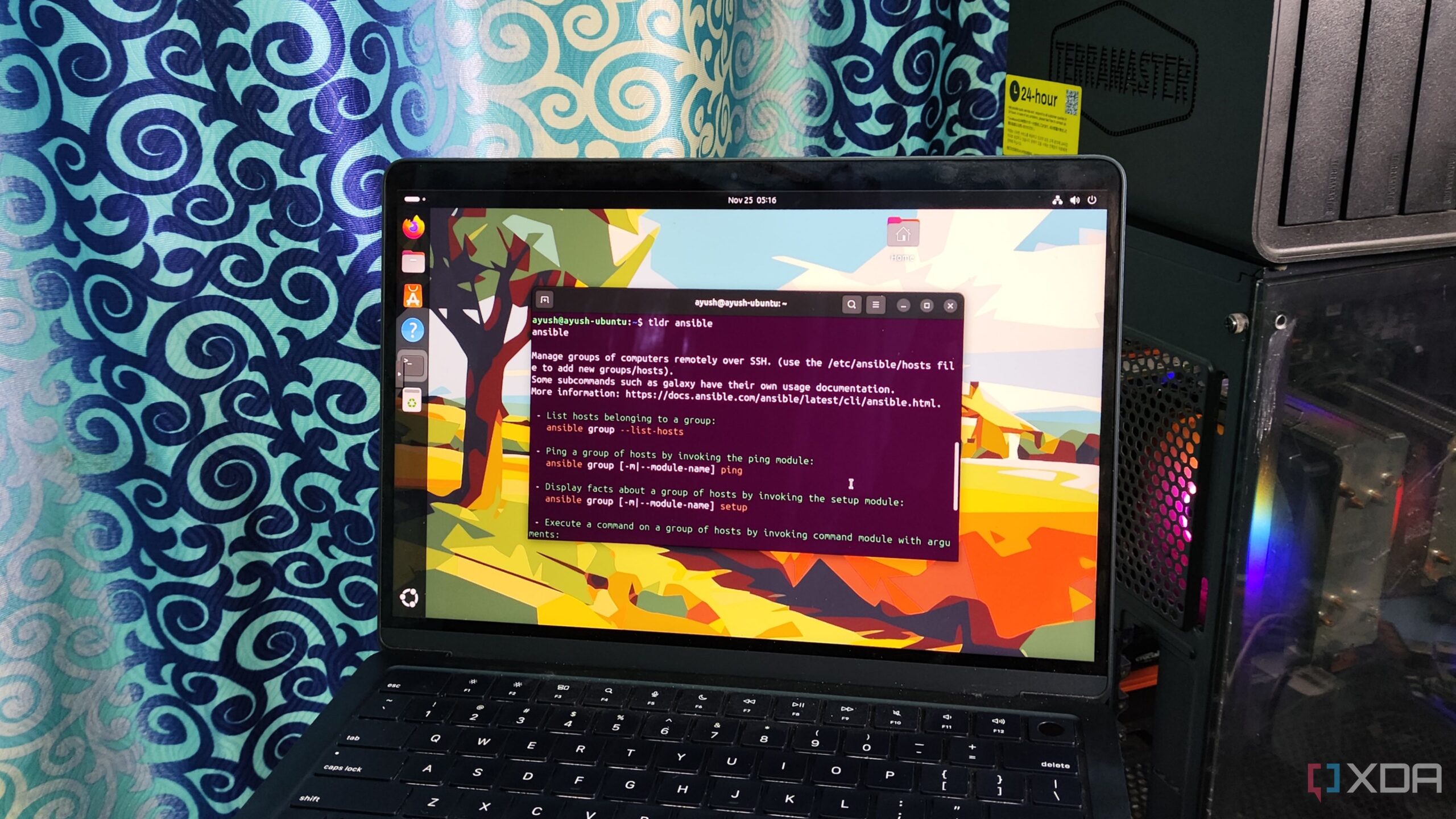
URGENT UPDATE: New insights are transforming how tech enthusiasts approach Network-Attached Storage (NAS) systems. A groundbreaking revelation confirms that you do not need a specialized operating system (OS) to build an effective NAS—any general-purpose OS can be modified for this purpose.
This news is vital for users looking to maximize their existing hardware without the need for complex setups. With the rise of versatile server packages and applications, anyone can configure their system to function as a NAS, making it easier than ever to store, share, and back up data.
Key Options: Popular choices include TrueNAS for those willing to invest time in learning, and Unraid, which offers a straightforward experience for a price. Other alternatives like OpenMediaVault and Ubuntu Server are also gaining traction among users seeking customizable solutions.
For instance, if you’re working with an older system, leveraging a lightweight OS like Ubuntu Server with Btrfs and Samba can enable efficient file sharing using the SMB protocol. This approach allows users to bypass the complexities of dedicated NAS distributions while still maintaining functionality.
Using a DIY setup not only offers flexibility but also allows users to select specific tools that best meet their needs. Whether you prefer BorgBackup for backups or rclone for cloud redundancy, the choice is yours. This adaptability empowers users to create a tailored storage solution that aligns with their unique requirements.
Why This Matters: The implications of these findings are significant for home users and small businesses alike. As data storage needs grow, understanding that any Linux distribution can serve as a NAS opens the door for increased accessibility and cost-effectiveness.
Next Steps: Experts recommend exploring various configurations to find the optimal setup for your needs. Users should consider starting with a lightweight distribution and gradually transitioning to more advanced configurations as they become comfortable with the technology.
Community Insights: Enthusiasts emphasize that while dedicated NAS systems like TrueNAS and XigmaNAS have their advantages, the ability to customize with a general-purpose OS can lead to superior performance and a more satisfying user experience. The flexibility of a typical Linux distribution means you can install essential packages without the constraints of a dedicated NAS OS.
In conclusion, the revolution in NAS setups is here, and the ability to utilize any OS empowers countless users to deploy effective storage solutions right now. Whether you’re a beginner or an experienced techie, this development encourages exploration and innovation in the realm of data storage.
Stay tuned for more updates as the landscape of NAS technology continues to evolve. Share your experiences and setups with the community—this is a conversation worth having!

Blakeman Vows to Transform NY in First Speech as GOP Governor Candidate

Ogden Police Respond to Assault Reports; No Gunshots Found

Long Beach City College Honors Jenni Rivera with New Arts Center

Palo Alto Home Sold for $2.6 Million, Highlights Local Market Trends

Oklahoma Children’s Hospital Patients Shine in ‘The Nutcracker’

U.S. Vaccine Strategy: Insights from Denmark’s Childhood Schedule

Long Beach City College Honors Jenni Rivera with New Arts Center

New York Governor Signs Landmark A.I. Regulation Bill

Laufey Enchants Fans During Arena Tour in Philadelphia

University of Hawaiʻi Joins $25.6M AI Project to Monitor Disasters

Foreign Inflows into Japan Stocks Surge to ¥1.34 Trillion

BOYNEXTDOOR’s Jaehyun Faces Backlash Amid BTS-TWICE Controversy

Boeing’s Merger with McDonnell Douglas: A Strategic Move Explained

Carson Wentz Out for Season After Shoulder Surgery: Urgent Update

Sydney Sweeney Embraces Body Positivity Amid Hollywood Challenges

Marc Buoniconti’s Legacy: 40 Years Later, Lives Transformed

Kelsea Ballerini Launches ‘Burn the Baggage’ Candle with Ranger Station

Innovative Surgery Restores Confidence for Breast Cancer Patients
-
Science2 months ago
University of Hawaiʻi Joins $25.6M AI Project to Monitor Disasters
-
Business2 months ago
Foreign Inflows into Japan Stocks Surge to ¥1.34 Trillion
-
 Top Stories2 months ago
BOYNEXTDOOR’s Jaehyun Faces Backlash Amid BTS-TWICE Controversy
-
 World2 months ago
Boeing’s Merger with McDonnell Douglas: A Strategic Move Explained
-
 Top Stories2 months ago
Carson Wentz Out for Season After Shoulder Surgery: Urgent Update
-
 Entertainment2 months ago
Sydney Sweeney Embraces Body Positivity Amid Hollywood Challenges
-
 Top Stories2 months ago
Marc Buoniconti’s Legacy: 40 Years Later, Lives Transformed
-
 Lifestyle2 months ago
Kelsea Ballerini Launches ‘Burn the Baggage’ Candle with Ranger Station
-
 Health2 months ago
Innovative Surgery Restores Confidence for Breast Cancer Patients
-

 Sports2 months ago
Steve Kerr Supports Jonathan Kuminga After Ejection in Preseason Game
-

 Entertainment2 months ago
Zoe Saldana Advocates for James Cameron’s Avatar Documentary
-

 Science2 months ago
Chicago’s Viral ‘Rat Hole’ Likely Created by Squirrel, Study Reveals