
Top Stories
Intel, AMD Sued for Role in Russian Missiles Hitting Ukraine

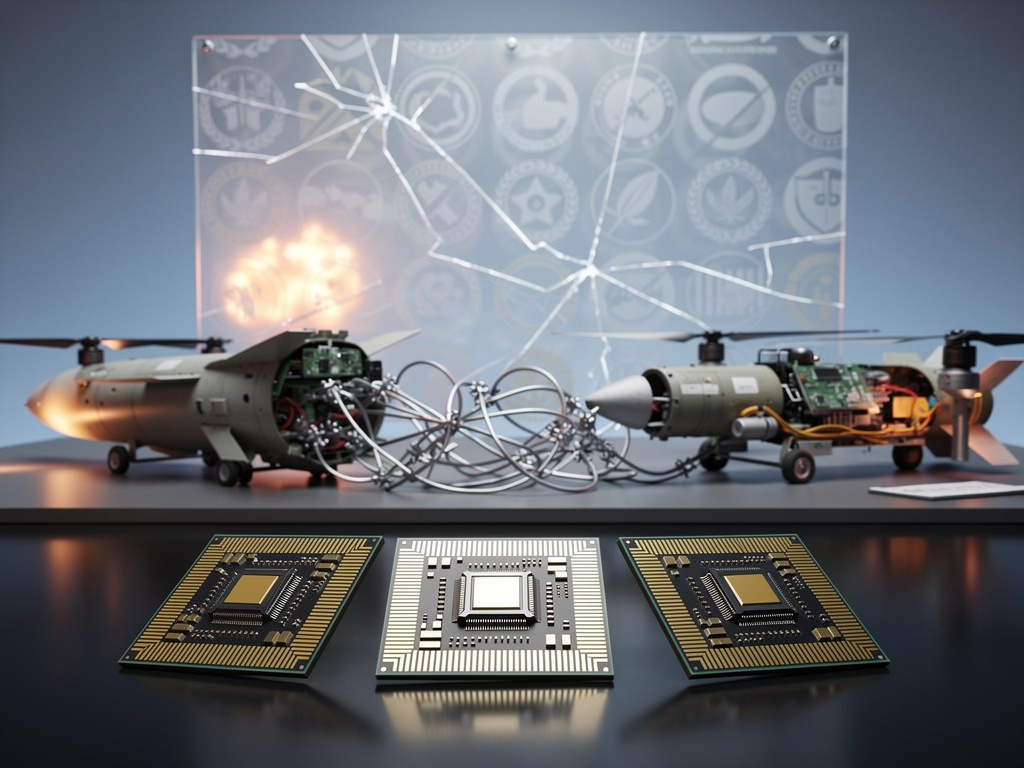
UPDATE: A groundbreaking lawsuit has been filed against semiconductor giants Intel Corp., Advanced Micro Devices Inc. (AMD), and Texas Instruments Inc. for allegedly enabling the Russian military to carry out missile strikes against Ukrainian civilians. The legal actions, initiated by attorney Mikal Watts and the law firm Baker & Hostetler, claim these companies failed to prevent their technology from powering weapons used in devastating attacks.
These lawsuits, filed on behalf of numerous victims, highlight serious concerns about corporate oversight amid stringent U.S. sanctions. Despite regulations imposed following Russia’s 2022 invasion of Ukraine, it appears that chips from these American firms have continued to infiltrate military equipment. The allegations reference specific strikes, including those involving Iranian-made drones and Russian KH-101 cruise missiles, which reportedly contained Intel and AMD technology between 2023 and 2025.
The implications of these lawsuits are profound. Victims have shared harrowing accounts of missile attacks, including a tragic strike on a Kyiv apartment block that claimed 15 lives. As one victim’s story highlights, the technology intended for innovation instead contributes to destruction.
Investigations reveal a troubling pattern of sanctions evasion through intermediary countries like Turkey and Hong Kong, which have acted as conduits for restricted U.S. goods. Reports suggest that Russia has effectively exploited “workarounds” to obtain U.S. processors, with customs data indicating a shift from official imports to illicit channels valued at hundreds of millions of dollars.
Public sentiment is turning against these tech giants. Social media discussions have intensified, with users sharing reports of ongoing chip flows and demanding accountability. A recent investigation by the U.S. Senate has accused Intel and AMD of ignoring re-exports, further fueling frustrations over corporate responsibility.
The lawsuits allege that these companies did not thoroughly vet their distribution networks, allowing their products to be illicitly rerouted. Both Intel and AMD have publicly denied any wrongdoing, asserting their compliance with sanctions. However, critics argue that these claims fall short, particularly given the evidence linking their chips to Russian military operations.
As these legal battles unfold, both companies have seen their stock prices decline amid investor concerns over potential fines and reputational harm. Analysts are predicting that this case could lead to tighter export controls extending beyond semiconductors to include emerging technologies like AI chips.
The broader geopolitical ramifications are significant. Ukrainian officials have long advocated for stricter enforcement of sanctions, pointing out that Western components continue to fuel Russian aggression. This sentiment is echoed in reports highlighting how Russia has acquired over $777 million in chips through proxy channels since the conflict began.
Historically, similar cases have led to severe penalties for companies involved in sanctions violations. The stakes are high for Intel and AMD, as potential liabilities could mirror those from product liability suits, but with national security implications.
Industry experts are calling for more robust regulatory frameworks to prevent such oversights. Current U.S. regulations require companies to perform due diligence on end-users, yet the volume of transactions complicates comprehensive oversight.
Looking forward, the lawsuits demand not only financial compensation for victims but also systemic changes, including the implementation of advanced tracking technologies to enhance supply chain transparency. Some experts propose embedding kill switches in chips, which would render them inoperable within sanctioned regions, though this raises significant privacy concerns.
As the legal proceedings progress, both Intel and AMD are reportedly enhancing their compliance measures. The U.S. government is also increasing its scrutiny, with recent task forces targeting export violations and seizing millions in illicit goods.
The human cost of these allegations cannot be overlooked. Victims’ stories are a stark reminder of the ramifications of corporate negligence in the tech industry. As this situation develops, the world is watching closely to see if these lawsuits will lead to genuine reform or merely symbolic gestures.
This unfolding drama underscores the need for technology to be a force for good, not a facilitator of conflict. The outcome of these lawsuits could reshape how companies navigate the complex intersection of commerce and global security, ensuring that innovations do not inadvertently support acts of war.

Rob Reiner’s Cinematic Legacy: Remembering His Unmatched Films

Florida’s DeSantis Unveils $1.8 Billion Budget for Wildlife

LA28 Ticket Draw Registration Opens January 14 – Act Fast!

Los Gatos ‘Party Mom’ Trial Begins, Witness List Spans Hundreds

15 Killed in Australia Hanukkah Shooting; Rabbi Urges Light

Sony’s Wonderverse Closes After Just 11 Months at Oakbrook Center

Supergirl’s Latest Crisis Mirrors Superman’s Mistake—Urgent Update

California Hires Ex-CDC Leaders to Launch Urgent Health Initiative

Contango Ore Merges with Dolly Varden Silver to Expand Alaskan Operations

University of Hawaiʻi Joins $25.6M AI Project to Monitor Disasters

Foreign Inflows into Japan Stocks Surge to ¥1.34 Trillion

BOYNEXTDOOR’s Jaehyun Faces Backlash Amid BTS-TWICE Controversy

Carson Wentz Out for Season After Shoulder Surgery: Urgent Update

Marc Buoniconti’s Legacy: 40 Years Later, Lives Transformed

Boeing’s Merger with McDonnell Douglas: A Strategic Move Explained

Sydney Sweeney Embraces Body Positivity Amid Hollywood Challenges

Kelsea Ballerini Launches ‘Burn the Baggage’ Candle with Ranger Station

Innovative Surgery Restores Confidence for Breast Cancer Patients
-
Science1 month ago
University of Hawaiʻi Joins $25.6M AI Project to Monitor Disasters
-
Business2 months ago
Foreign Inflows into Japan Stocks Surge to ¥1.34 Trillion
-
 Top Stories2 months ago
BOYNEXTDOOR’s Jaehyun Faces Backlash Amid BTS-TWICE Controversy
-
 Top Stories2 months ago
Carson Wentz Out for Season After Shoulder Surgery: Urgent Update
-
 Top Stories2 months ago
Marc Buoniconti’s Legacy: 40 Years Later, Lives Transformed
-
 World2 months ago
Boeing’s Merger with McDonnell Douglas: A Strategic Move Explained
-
 Entertainment2 months ago
Sydney Sweeney Embraces Body Positivity Amid Hollywood Challenges
-
 Lifestyle2 months ago
Kelsea Ballerini Launches ‘Burn the Baggage’ Candle with Ranger Station
-
 Health2 months ago
Innovative Surgery Restores Confidence for Breast Cancer Patients
-

 Sports2 months ago
Steve Kerr Supports Jonathan Kuminga After Ejection in Preseason Game
-

 Entertainment2 months ago
Zoe Saldana Advocates for James Cameron’s Avatar Documentary
-

 Lifestyle2 months ago
Dua Lipa Celebrates Passing GCSE Spanish During World Tour