
Top Stories
Dallas-Fort Worth Religious Landscape Shifts Dramatically

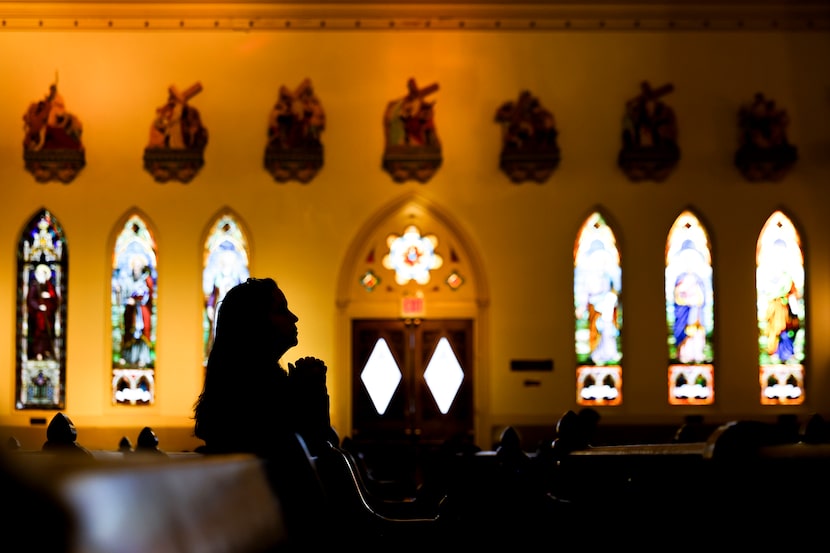
URGENT UPDATE: A groundbreaking new survey reveals dramatic shifts in the religious landscape of Dallas-Fort Worth (D-FW). Recent data from Pew Research indicates significant changes in faith demographics and beliefs among residents, marking a pivotal moment for the region’s spiritual identity.
According to the latest findings from Pew’s 2023-2024 survey, D-FW is home to over 6,500 places of worship, the highest concentration among the ten largest U.S. metropolitan areas. Notably, the proportion of Hindus in the area has surged from less than 1% to 3% of the adult population over the past decade, making Hindus the only non-Christian group to see such growth.
The survey also highlights a troubling trend for traditional Protestant denominations. Affiliation with the Southern Baptist Convention has plummeted from 10% in 2014 to just 6% today, while the United Methodist Church saw a decline from 5% to 3% since 2019, following a split over issues related to LGBTQ pastors.
While the percentage of Catholics in D-FW has also dipped slightly from 15% to 14%, the rise in religious diversity is evident. The share of individuals identifying with religions other than Christianity increased from 4% in 2014 to 8% in 2023-2024.
In a striking revelation, the survey shows that 85% of adults in D-FW believe in God or a “universal spirit,” with 62% expressing absolute certainty about their beliefs. Prayer remains a common practice, as 48% reported praying daily.
However, belief in traditional concepts of the afterlife is waning. The percentage of adults denying belief in heaven has risen to 28% compared to 17% in 2014, and those who do not believe in hell increased to 35% from 30% in the same time frame.
The survey also uncovers shifting social attitudes among the D-FW population. Support for same-sex marriage has grown to 64%, while 61% believe abortion should be legal in all or most cases. This marks a significant increase from 48% and 49% respectively in 2014, indicating a broader acceptance of progressive values within the faith community.
As D-FW experiences this transformative religious shift, community leaders and congregations are urged to adapt to the changing beliefs and values of their congregants. What remains to be seen is how these changes will influence the region’s cultural landscape moving forward.
Stay tuned for further updates as this story develops. The implications of these findings are profound, affecting not only religious institutions but also community dynamics and social policies in Dallas-Fort Worth.

Japan’s PM Takaichi Vows to Prioritize Fiscal Management NOW

Long Island Faces Disruptive Winter Weather Tuesday Morning

Urgent: 18-Year-Old Killed in Triple Shooting in Bronzeville

Shark Teeth Reveal Urgent Insights to Prevent Extinction

Englewood Church Members Reunite After Thanksgiving Fire

Mayor Names Alan Wong as District 4 Supervisor Amid Controversy

Study Reveals Nitrous Oxide’s Potential in Treating Depression

Walmart Launches Massive Cyber Monday Sales Starting at $5

Rep. Don Bacon Criticizes White House for Lack of Clarity on Ukraine

University of Hawaiʻi Joins $25.6M AI Project to Monitor Disasters

Foreign Inflows into Japan Stocks Surge to ¥1.34 Trillion

BOYNEXTDOOR’s Jaehyun Faces Backlash Amid BTS-TWICE Controversy

Carson Wentz Out for Season After Shoulder Surgery: Urgent Update

Marc Buoniconti’s Legacy: 40 Years Later, Lives Transformed

Innovative Surgery Restores Confidence for Breast Cancer Patients

Steve Kerr Supports Jonathan Kuminga After Ejection in Preseason Game

Kelsea Ballerini Launches ‘Burn the Baggage’ Candle with Ranger Station

Chicago’s Viral ‘Rat Hole’ Likely Created by Squirrel, Study Reveals
-
Science4 weeks ago
University of Hawaiʻi Joins $25.6M AI Project to Monitor Disasters
-
Business1 month ago
Foreign Inflows into Japan Stocks Surge to ¥1.34 Trillion
-
 Top Stories1 month ago
BOYNEXTDOOR’s Jaehyun Faces Backlash Amid BTS-TWICE Controversy
-
 Top Stories1 month ago
Carson Wentz Out for Season After Shoulder Surgery: Urgent Update
-
 Top Stories1 month ago
Marc Buoniconti’s Legacy: 40 Years Later, Lives Transformed
-
 Health1 month ago
Innovative Surgery Restores Confidence for Breast Cancer Patients
-
 Sports2 months ago
Steve Kerr Supports Jonathan Kuminga After Ejection in Preseason Game
-
 Lifestyle2 months ago
Kelsea Ballerini Launches ‘Burn the Baggage’ Candle with Ranger Station
-
 Science2 months ago
Chicago’s Viral ‘Rat Hole’ Likely Created by Squirrel, Study Reveals
-
 Lifestyle2 months ago
Dua Lipa Celebrates Passing GCSE Spanish During World Tour
-

 Entertainment2 months ago
Zoe Saldana Advocates for James Cameron’s Avatar Documentary
-

 Business2 months ago
Tyler Technologies Set to Reveal Q3 2025 Earnings on October 22