
Top Stories
Coast Guard Policy Shift on Hate Symbols Sparks Controversy

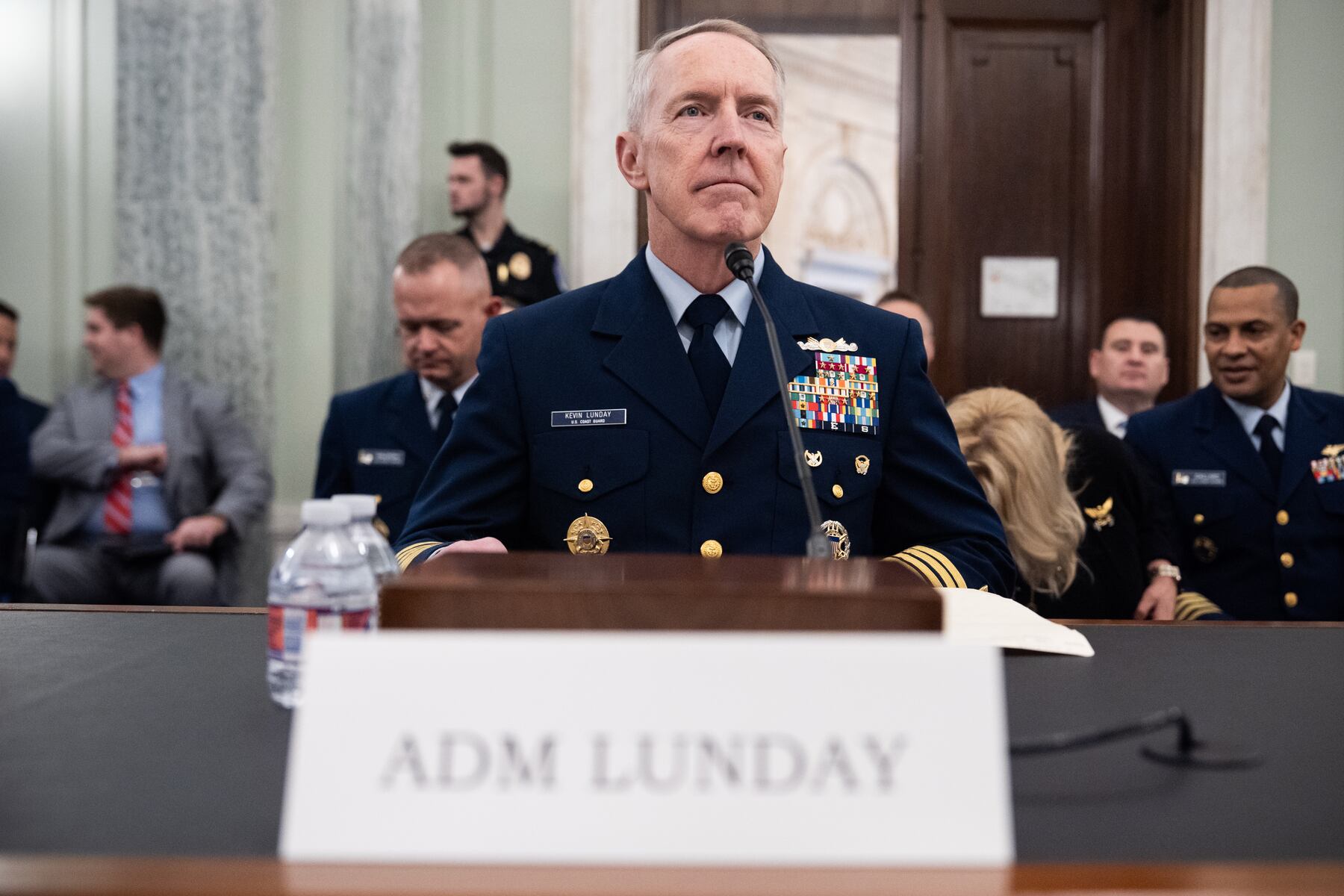
UPDATE: The U.S. Coast Guard is set to implement a controversial policy change regarding the display of hate symbols, including swastikas and nooses, scheduled to take effect on December 15. This policy shift has ignited fierce backlash as critics argue it could enable the public display of these symbols, which are widely recognized as associated with oppression.
The Coast Guard’s new policy redefines previously established terms. A 2020 message from then-Commandant Karl Schultz characterized symbols like swastikas and nooses as “widely identified with oppression or hatred,” labeling their display as “a potential hate incident.” The updated policy now refers to these symbols as “potentially divisive,” raising alarm among lawmakers and community advocates.
Democratic Senator Jacky Rosen of Nevada condemned the updated guidelines, stating that they could “allow for horrifically hateful symbols like swastikas and nooses to be inexplicably permitted to be displayed.” She emphasized the timing of this decision amid a troubling rise in antisemitism both in the United States and globally, warning that relaxing protections against hate could jeopardize the safety of Coast Guard personnel.
In defense of the changes, Acting Commandant Admiral Kevin Lunday reassured that the prohibition against displaying these symbols remains intact. “Any display, use or promotion of such symbols, as always, will be thoroughly investigated and severely punished,” Lunday affirmed in a statement. The new policy, however, removes the term “hate incident” from the official lexicon, now categorizing such conduct under “reports of harassment” with an identified aggrieved individual.
The policy change is part of a broader initiative to align with Pentagon directives, as the Coast Guard operates under the Department of Homeland Security while also being a branch of the armed forces. This update comes less than two months after Defense Secretary Pete Hegseth initiated a review of military policies on harassment, asserting that existing definitions were “overly broad” and posed risks to military readiness.
Critics express concern that by not outright banning the display of potentially divisive symbols, the Coast Guard is sending a message that may embolden hate groups and undermine morale within its ranks. Commanders are permitted to remove such symbols if they impact unit morale or discipline, but the lack of a clear prohibition raises questions about enforcement and interpretation.
As this situation continues to develop, the implications for military policies nationwide remain uncertain. Observers will be watching closely to see if similar changes occur across other branches of the armed forces and how they might affect the ongoing battle against hate in all forms.
The dialogue surrounding this policy shift highlights the urgent need for clarity and protection against hate symbols, particularly in an era where such acts are rising. As the December deadline approaches, the Coast Guard’s handling of this matter will be critical in determining its stance on hate and inclusivity moving forward.
Stay tuned for further updates as this story unfolds.

Shark Teeth Reveal Urgent Insights to Prevent Extinction

Englewood Church Members Reunite After Thanksgiving Fire

Mayor Names Alan Wong as District 4 Supervisor Amid Controversy

Study Reveals Nitrous Oxide’s Potential in Treating Depression

Walmart Launches Massive Cyber Monday Sales Starting at $5

Rep. Don Bacon Criticizes White House for Lack of Clarity on Ukraine

UK Report Reveals Rise of AI in University Research Evaluation

Florida Hires Jon Sumrall as Head Coach: Implications for FSU Football

Trump Promises to Release MRI Results from October Scan

University of Hawaiʻi Joins $25.6M AI Project to Monitor Disasters

Foreign Inflows into Japan Stocks Surge to ¥1.34 Trillion

BOYNEXTDOOR’s Jaehyun Faces Backlash Amid BTS-TWICE Controversy

Carson Wentz Out for Season After Shoulder Surgery: Urgent Update

Marc Buoniconti’s Legacy: 40 Years Later, Lives Transformed

Innovative Surgery Restores Confidence for Breast Cancer Patients

Steve Kerr Supports Jonathan Kuminga After Ejection in Preseason Game

Kelsea Ballerini Launches ‘Burn the Baggage’ Candle with Ranger Station

Chicago’s Viral ‘Rat Hole’ Likely Created by Squirrel, Study Reveals
-
Science4 weeks ago
University of Hawaiʻi Joins $25.6M AI Project to Monitor Disasters
-
Business1 month ago
Foreign Inflows into Japan Stocks Surge to ¥1.34 Trillion
-
 Top Stories1 month ago
BOYNEXTDOOR’s Jaehyun Faces Backlash Amid BTS-TWICE Controversy
-
 Top Stories1 month ago
Carson Wentz Out for Season After Shoulder Surgery: Urgent Update
-
 Top Stories1 month ago
Marc Buoniconti’s Legacy: 40 Years Later, Lives Transformed
-
 Health1 month ago
Innovative Surgery Restores Confidence for Breast Cancer Patients
-
 Sports2 months ago
Steve Kerr Supports Jonathan Kuminga After Ejection in Preseason Game
-
 Lifestyle2 months ago
Kelsea Ballerini Launches ‘Burn the Baggage’ Candle with Ranger Station
-
 Science2 months ago
Chicago’s Viral ‘Rat Hole’ Likely Created by Squirrel, Study Reveals
-

 Lifestyle2 months ago
Dua Lipa Celebrates Passing GCSE Spanish During World Tour
-

 Entertainment2 months ago
Zoe Saldana Advocates for James Cameron’s Avatar Documentary
-

 Politics2 months ago
Dallin H. Oaks Assumes Leadership of Latter-day Saints Church