
Science
UTEP Secures $500,000 Grant to Boost Nuclear Cybersecurity with AI

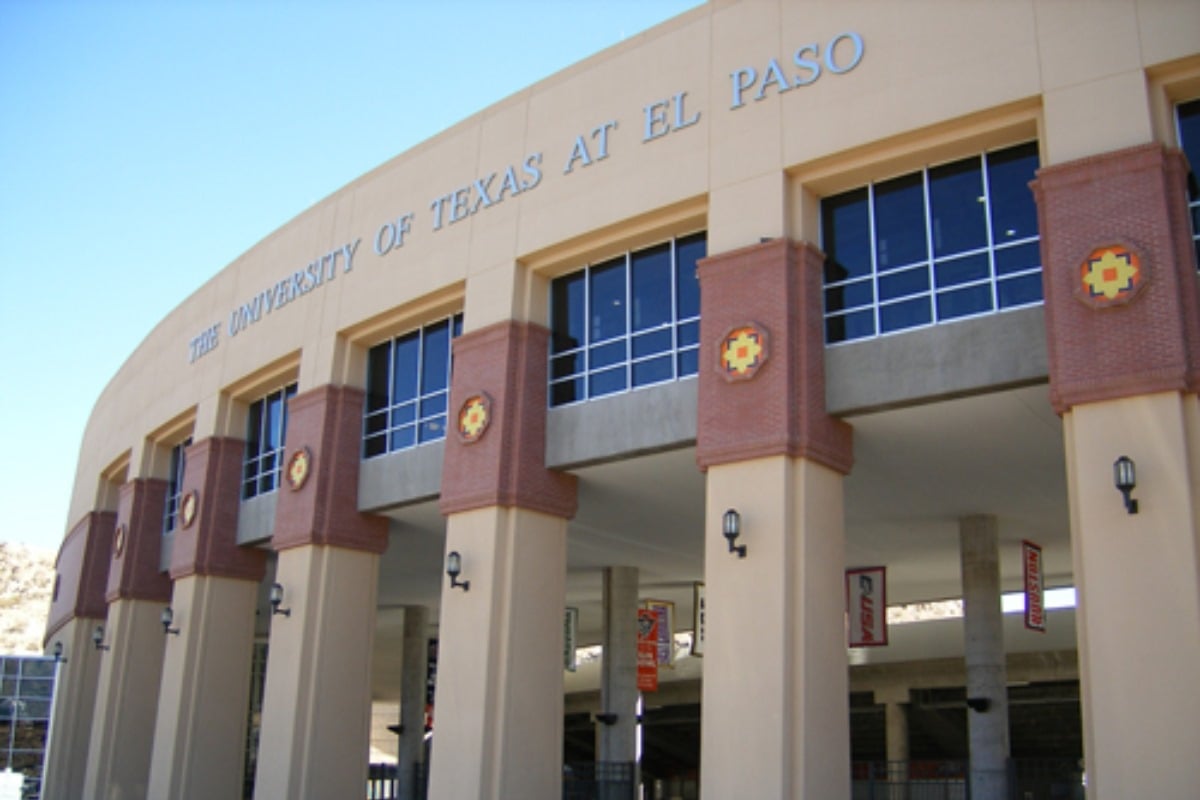
The University of Texas at El Paso (UTEP) has announced a significant advancement in nuclear cybersecurity with a grant of $500,000 from the U.S. Nuclear Regulatory Commission. This funding aims to enhance security measures at nuclear power plants through innovative applications of artificial intelligence (AI). The initiative is led by Sajedul Talukder, Ph.D., an assistant professor of computer science at UTEP, in collaboration with Syed Bahauddin Alam, Ph.D., from the University of Illinois Urbana-Champaign (UIUC).
The project focuses on developing a multi-layered security architecture for nuclear facilities. Traditional cybersecurity often relies on a single perimeter defense system, but Talukder’s approach introduces an “onion-like” structure where each device and system is equipped with its own protective measures. “Instead of relying on one big perimeter defense, the system creates layers of security that make it far harder for attackers to move around if they ever get in,” stated Talukder’s team.
Innovative AI Applications for Cyber Defense
Key components of this project include an AI-driven monitoring system designed to detect and respond to suspicious activities in real-time, as well as a virtual replica of a nuclear plant’s critical systems. This digital twin will allow researchers to test and strengthen defenses against current and emerging cyber threats.
Talukder emphasized the importance of proactive cybersecurity measures, stating, “Together, these innovations shift nuclear cybersecurity from being reactive — waiting for attacks to happen — to being proactive. It’s an intelligent shield that adapts and evolves as quickly as the threats themselves.” This forward-thinking strategy positions UTEP at the forefront of efforts to address the increasing complexity of cyber threats that pose risks to national security.
Impact on Education and Workforce Development
Beyond technological advancements, this initiative will serve as a training ground for the next generation of cybersecurity professionals. The grant will create hands-on research opportunities for both undergraduate and graduate students, equipping them with valuable experience in a field that is increasingly vital in today’s digital landscape.
Ken Meissner, Ph.D., dean of the UTEP College of Engineering, acknowledged the broader implications of this grant. “For UTEP, this award places the University among an elite group of institutions helping to define the future of nuclear security and highlights our growing contribution to solving one of the nation’s toughest problems,” he remarked.
As UTEP embarks on this ambitious project, the integration of AI into nuclear cybersecurity represents a critical step forward in safeguarding vital infrastructure against the ever-evolving landscape of cyber threats. The university’s commitment to innovative research not only addresses immediate security needs but also cultivates a skilled workforce prepared to tackle future challenges in cybersecurity.

Paramount Unveils Y: Marshals Photos; Kayce Dutton’s New Role

Big Ten vs. Big 12: College Basketball Power Rankings Shift

MLB’s New Ball/Strike Challenge System: Major Changes Ahead!

RFK Jr. Challenges Childhood Vaccine Schedule in U.S. Health Policy

New Moon in Sagittarius on December 19 Sparks Reflection and Growth

Trump Enacts Law Revoking Sanctions Against Syria’s Assad Regime

Trump Signs Law Ending Syria Sanctions, Shocking Global Response

Ancient DNA Reveals True Origins of Beachy Head Woman

Pirates Seek Offensive Boost with Free Agent Targets O’Hearn and Suárez

University of Hawaiʻi Joins $25.6M AI Project to Monitor Disasters

Foreign Inflows into Japan Stocks Surge to ¥1.34 Trillion

BOYNEXTDOOR’s Jaehyun Faces Backlash Amid BTS-TWICE Controversy

Boeing’s Merger with McDonnell Douglas: A Strategic Move Explained

Carson Wentz Out for Season After Shoulder Surgery: Urgent Update

Sydney Sweeney Embraces Body Positivity Amid Hollywood Challenges

Marc Buoniconti’s Legacy: 40 Years Later, Lives Transformed

Kelsea Ballerini Launches ‘Burn the Baggage’ Candle with Ranger Station

Innovative Surgery Restores Confidence for Breast Cancer Patients
-
Science2 months ago
University of Hawaiʻi Joins $25.6M AI Project to Monitor Disasters
-
Business2 months ago
Foreign Inflows into Japan Stocks Surge to ¥1.34 Trillion
-
 Top Stories2 months ago
BOYNEXTDOOR’s Jaehyun Faces Backlash Amid BTS-TWICE Controversy
-
 World2 months ago
Boeing’s Merger with McDonnell Douglas: A Strategic Move Explained
-
 Top Stories2 months ago
Carson Wentz Out for Season After Shoulder Surgery: Urgent Update
-
 Entertainment2 months ago
Sydney Sweeney Embraces Body Positivity Amid Hollywood Challenges
-
 Top Stories2 months ago
Marc Buoniconti’s Legacy: 40 Years Later, Lives Transformed
-
 Lifestyle2 months ago
Kelsea Ballerini Launches ‘Burn the Baggage’ Candle with Ranger Station
-
 Health2 months ago
Innovative Surgery Restores Confidence for Breast Cancer Patients
-

 Sports2 months ago
Steve Kerr Supports Jonathan Kuminga After Ejection in Preseason Game
-

 Entertainment2 months ago
Zoe Saldana Advocates for James Cameron’s Avatar Documentary
-

 Science2 months ago
Chicago’s Viral ‘Rat Hole’ Likely Created by Squirrel, Study Reveals