
Science
Tiny Robots Revolutionize Drug Delivery Inside the Human Body

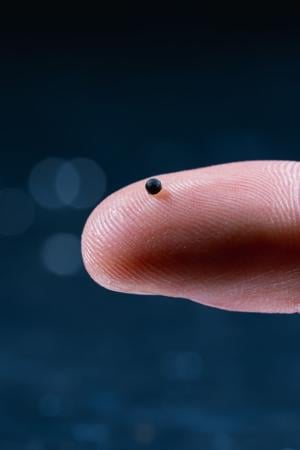
Researchers in Switzerland have developed an innovative robot, measuring just a grain of sand, designed to deliver medication directly to specific locations within the human body. This groundbreaking advancement aims to minimize the severe side effects commonly associated with traditional drug delivery methods.
The miniature robots are controlled by magnets and equipped with the ability to navigate through the bloodstream with remarkable precision. This technology represents a significant leap forward in the field of targeted therapy, potentially transforming the way diseases are treated.
Advancements in Medical Technology
The development of these tiny robots stems from a collaborative effort by scientists at ETH Zurich, a leading university in technology and natural sciences. Their aim was to create a system that could deliver drugs more accurately than current methods, which often involve administering medication to the entire body, leading to unwanted side effects.
During laboratory tests, the robots demonstrated their capacity to transport therapeutic agents to specific sites within a simulated human bloodstream. This precise targeting could significantly enhance treatment outcomes for patients suffering from various conditions, including cancer and autoimmune diseases.
The researchers utilized a combination of magnetic steering and advanced propulsion techniques to enable the robots to navigate effectively through complex biological environments. By harnessing external magnetic fields, the robots can be guided to their intended destinations with a high degree of accuracy.
Potential Impact on Healthcare
According to lead researcher Dr. Anna Müller, the implications of this technology are profound. “This breakthrough could drastically change how we approach drug delivery in medicine. By reducing the dosage needed and minimizing side effects, we could improve patient compliance and overall treatment effectiveness,” she stated.
The tiny robots offer a promising solution to the challenges faced in conventional drug administration. Patients often experience adverse effects due to the systemic distribution of medications, which can lead to complications and reduced quality of life. Targeted delivery could alleviate many of these issues, allowing for more efficient treatment protocols.
As this research progresses, further studies will be necessary to evaluate the safety and efficacy of these robots in human trials. The scientific community is keenly observing these developments, as successful implementation could lead to a new era in personalized medicine.
In conclusion, the advent of magnetically controlled robots in drug delivery heralds a significant step forward in medical technology. With continued research and development, these innovations could reshape the future of healthcare, providing safer and more effective treatment options for patients worldwide.

Millville Woman Arrested After Threatening U-Haul Worker with Baton

Japan’s PM Takaichi Vows to Prioritize Fiscal Management NOW

Long Island Faces Disruptive Winter Weather Tuesday Morning

Urgent: 18-Year-Old Killed in Triple Shooting in Bronzeville

Shark Teeth Reveal Urgent Insights to Prevent Extinction

Englewood Church Members Reunite After Thanksgiving Fire

Mayor Names Alan Wong as District 4 Supervisor Amid Controversy

Study Reveals Nitrous Oxide’s Potential in Treating Depression

Walmart Launches Massive Cyber Monday Sales Starting at $5

University of Hawaiʻi Joins $25.6M AI Project to Monitor Disasters

Foreign Inflows into Japan Stocks Surge to ¥1.34 Trillion

BOYNEXTDOOR’s Jaehyun Faces Backlash Amid BTS-TWICE Controversy

Carson Wentz Out for Season After Shoulder Surgery: Urgent Update

Marc Buoniconti’s Legacy: 40 Years Later, Lives Transformed

Innovative Surgery Restores Confidence for Breast Cancer Patients

Kelsea Ballerini Launches ‘Burn the Baggage’ Candle with Ranger Station

Steve Kerr Supports Jonathan Kuminga After Ejection in Preseason Game

Chicago’s Viral ‘Rat Hole’ Likely Created by Squirrel, Study Reveals
-
Science4 weeks ago
University of Hawaiʻi Joins $25.6M AI Project to Monitor Disasters
-
Business1 month ago
Foreign Inflows into Japan Stocks Surge to ¥1.34 Trillion
-
 Top Stories1 month ago
BOYNEXTDOOR’s Jaehyun Faces Backlash Amid BTS-TWICE Controversy
-
 Top Stories1 month ago
Carson Wentz Out for Season After Shoulder Surgery: Urgent Update
-
 Top Stories1 month ago
Marc Buoniconti’s Legacy: 40 Years Later, Lives Transformed
-
 Health1 month ago
Innovative Surgery Restores Confidence for Breast Cancer Patients
-
 Lifestyle2 months ago
Kelsea Ballerini Launches ‘Burn the Baggage’ Candle with Ranger Station
-
 Sports2 months ago
Steve Kerr Supports Jonathan Kuminga After Ejection in Preseason Game
-
 Science2 months ago
Chicago’s Viral ‘Rat Hole’ Likely Created by Squirrel, Study Reveals
-

 Lifestyle2 months ago
Dua Lipa Celebrates Passing GCSE Spanish During World Tour
-

 Entertainment2 months ago
Zoe Saldana Advocates for James Cameron’s Avatar Documentary
-

 Politics2 months ago
Dallin H. Oaks Assumes Leadership of Latter-day Saints Church