
Science
Sudden Death of Child Raises Alarm in Gene Therapy Research

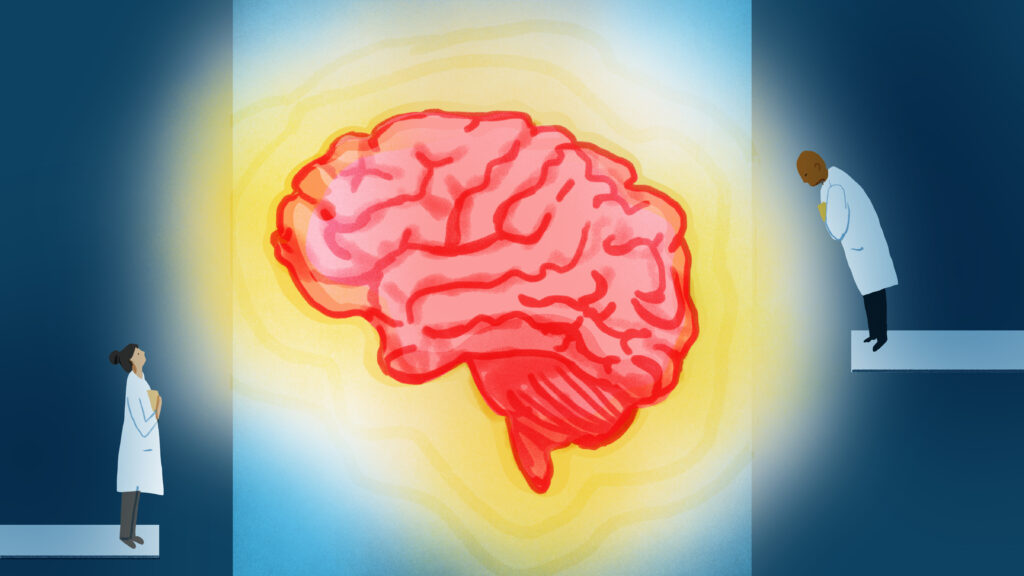
Gene therapy research has encountered a significant setback following the sudden death of a young child who underwent a groundbreaking treatment. Just two and a half days after receiving gene therapy involving a newly engineered virus, the patient passed away. This incident has raised serious concerns within the scientific community, particularly among labs and companies working on therapies for neurological disorders, including Alzheimer’s and Parkinson’s disease.
The child was part of a clinical trial that aimed to deliver corrective genes deep into the brain using a virus designed by Capsida Biotherapeutics. Researchers had hoped that such advancements would pave the way for innovative treatments for a range of genetic diseases. The excitement surrounding these therapies had been palpable, with numerous reports highlighting the potential for significant breakthroughs in addressing previously untreatable conditions.
In light of this tragedy, researchers are now grappling with the implications of this event. The death has sparked uncertainty among scientists and medical professionals, who fear it may indicate broader risks associated with viral delivery methods in gene therapy. The potential for this incident to derail years of progress in the field is a pressing concern.
Summer 2023 marked a significant milestone in gene therapy, as it was the first time a patient received treatment using one of these engineered viruses. The aim was to transport therapeutic genes to targeted areas within the brain, which could open new avenues for tackling neurodegenerative diseases. Yet, the unexpected outcome has prompted discussions about the safety and efficacy of such approaches.
The impact of this incident stretches beyond the immediate research community. Rare disease groups, which had pinned their hopes on these innovative therapies, are now left to reevaluate their expectations. The possibility that a single event could hinder advancements that many believed were on the cusp of fruition has introduced a level of caution that was not previously present.
Gene therapy has long been viewed as a transformative approach to treating genetic disorders. By correcting defective genes responsible for disease development, these treatments have the potential to change lives dramatically. However, incidents like this highlight the complexities and risks involved in pioneering medical research.
As investigations into the cause of the child’s death unfold, stakeholders in the gene therapy arena will be watching closely. The findings could have far-reaching consequences not only for Capsida Biotherapeutics but also for the broader field of gene therapy.
Medical professionals and researchers will need to assess whether the benefits of such therapies outweigh the potential risks. While the excitement for gene therapy remains, this incident serves as a stark reminder of the challenges that accompany cutting-edge medical research. The hope for new treatments must be balanced with rigorous safety evaluations to ensure that patient welfare remains paramount.
In the coming months, it will be essential for researchers and regulatory bodies to communicate transparently about the findings and implications of this case. The future of gene therapy may depend on how the community responds to this tragic event and what steps are taken to enhance safety protocols moving forward.

Researchers Discover How Neutrophils Can be Calmed Post-Heart Attack

Oroville City Council to Enhance Transparency Standards

Quad-Cities Astronomy Club Revives Mobile Observatory to New Glory

Wisconsin-Superior Dominates Beloit in WIAC Hockey Showdown

Rob Reiner and Michele Found Dead in Los Angeles Home

Urgent Horoscope Update: December 15, 2025 Insights Revealed

Broadcom Stock Plummets 11% Despite Record Earnings Report

2025 All-Bay County Volleyball Team Announced – Key Players Shine

Global Attacks on Women Human Rights Defenders Surge: Urgent Action Needed

University of Hawaiʻi Joins $25.6M AI Project to Monitor Disasters

Foreign Inflows into Japan Stocks Surge to ¥1.34 Trillion

BOYNEXTDOOR’s Jaehyun Faces Backlash Amid BTS-TWICE Controversy

Carson Wentz Out for Season After Shoulder Surgery: Urgent Update

Marc Buoniconti’s Legacy: 40 Years Later, Lives Transformed

Boeing’s Merger with McDonnell Douglas: A Strategic Move Explained

Sydney Sweeney Embraces Body Positivity Amid Hollywood Challenges

Kelsea Ballerini Launches ‘Burn the Baggage’ Candle with Ranger Station

Innovative Surgery Restores Confidence for Breast Cancer Patients
-
Science1 month ago
University of Hawaiʻi Joins $25.6M AI Project to Monitor Disasters
-
Business2 months ago
Foreign Inflows into Japan Stocks Surge to ¥1.34 Trillion
-
 Top Stories2 months ago
BOYNEXTDOOR’s Jaehyun Faces Backlash Amid BTS-TWICE Controversy
-
 Top Stories2 months ago
Carson Wentz Out for Season After Shoulder Surgery: Urgent Update
-
 Top Stories2 months ago
Marc Buoniconti’s Legacy: 40 Years Later, Lives Transformed
-
 World2 months ago
Boeing’s Merger with McDonnell Douglas: A Strategic Move Explained
-
 Entertainment2 months ago
Sydney Sweeney Embraces Body Positivity Amid Hollywood Challenges
-
 Lifestyle2 months ago
Kelsea Ballerini Launches ‘Burn the Baggage’ Candle with Ranger Station
-
 Health2 months ago
Innovative Surgery Restores Confidence for Breast Cancer Patients
-

 Sports2 months ago
Steve Kerr Supports Jonathan Kuminga After Ejection in Preseason Game
-

 Entertainment2 months ago
Zoe Saldana Advocates for James Cameron’s Avatar Documentary
-

 Lifestyle2 months ago
Dua Lipa Celebrates Passing GCSE Spanish During World Tour