
Science
Security Flaw in Google Fast Pair Allows Hackers to Hijack Devices

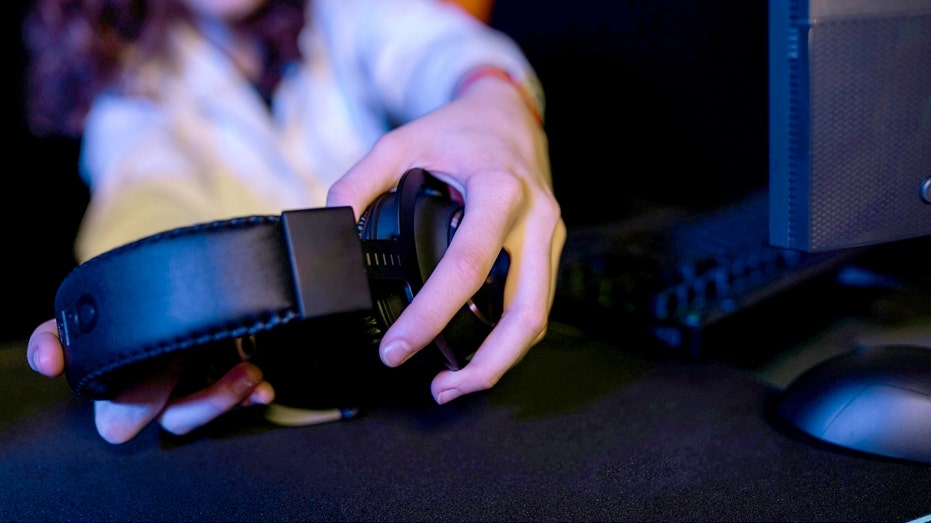
Security researchers from KU Leuven have identified a significant vulnerability in Google’s Fast Pair protocol, allowing hackers to take control of Bluetooth headphones, earbuds, and speakers. The method, dubbed WhisperPair, enables attackers within Bluetooth range to connect silently to these devices without the owner’s consent, raising serious privacy and security concerns.
The Fast Pair feature was designed to streamline the process of connecting Bluetooth devices, eliminating the need for lengthy menus and codes. Unfortunately, this convenience has opened the door to potential abuse. Researchers found that many compatible devices fail to properly authenticate pairing requests, permitting unauthorized connections even when already linked to another device. An attacker can exploit this flaw in a matter of seconds, gaining the ability to interrupt calls, inject audio, or activate microphones.
This vulnerability is not limited to Android users; it also affects iPhone users, broadening the scope of potential victims. The researchers tested 17 devices from major brands, including Sony, Jabra, JBL, and Marshall, many of which had passed Google’s certification tests, raising questions about the robustness of the security checks in place.
Privacy Issues and Device Tracking
Certain devices, particularly those from Google and Sony, can integrate with the Find Hub feature, which utilizes nearby devices to estimate location. This poses an even greater privacy risk, as an attacker could claim ownership of a headset that has never been linked to a Google account. This scenario allows for continuous tracking of the user’s movements. If a victim later receives a notification about tracking, they may mistakenly believe it pertains to their own device, making them less likely to investigate.
Another challenge lies in the fact that many users do not regularly update their device firmware. Firmware updates typically require specific brand apps that many individuals do not install, potentially leaving devices exposed for extended periods. While some manufacturers have begun issuing patches, not all affected models have received updates yet. Users are advised to check directly with their manufacturers to determine if a security update is available.
Google’s Response and Future Measures
In response to the discovered vulnerabilities, Google has stated that it is actively collaborating with researchers to address the issues associated with WhisperPair. The company began distributing recommended patches to headphone manufacturers in early September. Additionally, Google confirmed that its own Pixel headphones have already been updated to mitigate these risks.
A Google spokesperson noted, “We appreciate collaborating with security researchers through our Vulnerability Rewards Program, which helps keep our users safe. We have not seen evidence of any exploitation outside of this report’s lab setting.” The spokesperson also emphasized the need for users to verify that their headphones have the latest firmware updates.
The core issue, according to Google, stems from some accessory makers not fully adhering to the Fast Pair specification, which requires devices to accept pairing requests only when intentionally set to pairing mode. To minimize future risks, Google has updated its Fast Pair Validator and certification requirements to ensure that devices correctly enforce pairing mode checks.
Despite these efforts, researchers have raised concerns regarding the speed at which patches are distributed to users and the visibility Google has into potential real-world exploitation that does not involve its hardware. The researchers also highlighted systemic issues in the certification process that allowed flawed products to enter the market.
For now, both Google and the researchers concur that user action is critical. Installing manufacturer firmware updates is essential for protection, and availability may differ across devices and brands.
Steps to Enhance Personal Security
While users cannot entirely disable Fast Pair, they can take steps to reduce their exposure to potential threats:
1. **Check Device Vulnerability**: If you use Bluetooth accessories that support Google Fast Pair, verify their status. A public lookup tool is available at whisperpair.eu/vulnerable-devices to check if your specific model is affected.
2. **Update Your Devices**: Download the official app from your manufacturer and ensure firmware updates are applied promptly.
3. **Avoid Public Pairing**: Pair devices in private settings to limit exposure to potential attackers.
4. **Factory Reset if Suspicious**: If you experience unexpected audio interruptions or strange sounds, perform a factory reset to remove unauthorized connections.
5. **Turn Off Bluetooth When Not in Use**: Limit Bluetooth availability to active usage periods to reduce exposure.
6. **Reset Secondhand Devices**: Always factory reset used headphones or speakers before pairing to eliminate hidden connections.
7. **Investigate Tracking Alerts**: Take tracking notifications seriously, even if they seem related to your own device.
8. **Keep Your Phone Updated**: Regularly install operating system updates to block potential exploitation paths.
The WhisperPair vulnerability illustrates how convenience can lead to significant privacy failures. As modern devices become increasingly complex, users must remain vigilant about maintaining their security. The balance between usability and security must be carefully managed to prevent future risks in an ever-evolving digital landscape.

Gigachad Price Falls to $0.0025 Amid Market Fluctuations

Exploring Bortus: The Complex Alien of ‘The Orville’

Harry Potter Quiz Links Personality Traits to Entrepreneurship

Colorado Voters React to Trump’s Immigration Actions Amid Midterms

Donaldson Capital Management Boosts Stake in UnitedHealth Group

Researchers Establish First Lab Colony of Invasive Beetle in Australia

Jersey City Schools Confirm Controversial Kindergarten Move

NeuroOne Medical Technologies Outperforms Cannlabs in Financial Metrics

Nevada Bankers Prepare for 2026 Challenges Amid Changing Landscape

University of Hawaiʻi Joins $25.6M AI Project to Monitor Disasters

Foreign Inflows into Japan Stocks Surge to ¥1.34 Trillion

Hudson Williams Gains Popularity as Breakout Star on Heated Rivalry

Boeing’s Merger with McDonnell Douglas: A Strategic Move Explained

$1.25M Grant Advances Hawaiʻi’s Real-Time Hazard Monitoring

Sydney Sweeney Embraces Body Positivity Amid Hollywood Challenges

BOYNEXTDOOR’s Jaehyun Faces Backlash Amid BTS-TWICE Controversy

French Film Explores Group Therapy in ‘Group – The Schopenhauer Project’

Urgent Farewell: Joleen Chaney Leaves Legacy at KFOR
-
Science3 months ago
University of Hawaiʻi Joins $25.6M AI Project to Monitor Disasters
-
Business3 months ago
Foreign Inflows into Japan Stocks Surge to ¥1.34 Trillion
-
 Entertainment2 months ago
Hudson Williams Gains Popularity as Breakout Star on Heated Rivalry
-
 World3 months ago
Boeing’s Merger with McDonnell Douglas: A Strategic Move Explained
-
 Science2 months ago
$1.25M Grant Advances Hawaiʻi’s Real-Time Hazard Monitoring
-
 Entertainment3 months ago
Sydney Sweeney Embraces Body Positivity Amid Hollywood Challenges
-
 Top Stories3 months ago
BOYNEXTDOOR’s Jaehyun Faces Backlash Amid BTS-TWICE Controversy
-
 World3 months ago
French Film Explores Group Therapy in ‘Group – The Schopenhauer Project’
-
 Top Stories3 months ago
Urgent Farewell: Joleen Chaney Leaves Legacy at KFOR
-

 Top Stories3 months ago
Marc Buoniconti’s Legacy: 40 Years Later, Lives Transformed
-

 Lifestyle4 months ago
Kelsea Ballerini Launches ‘Burn the Baggage’ Candle with Ranger Station
-

 Top Stories3 months ago
Carson Wentz Out for Season After Shoulder Surgery: Urgent Update