
Science
Scholars Challenge Common Myths About Vikings and Norse Culture

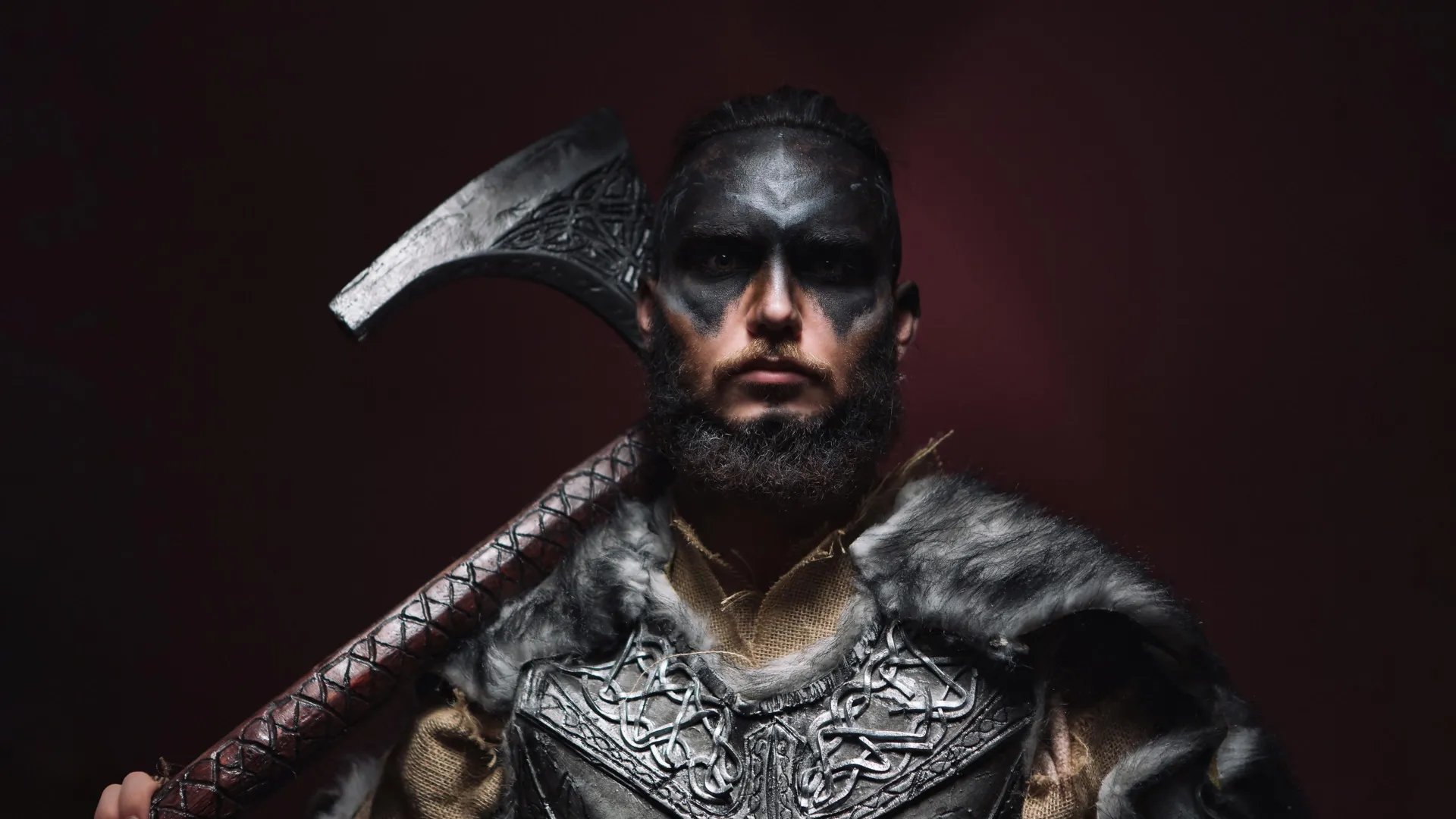
Recent research from scholars in Scandinavian studies reveals that many widely accepted beliefs about Vikings and Norse mythology are based on interpretations rather than concrete historical evidence. This assessment comes from the work of researchers affiliated with the Cluster of Excellence at the University of Münster, who are reexamining how these narratives have evolved over centuries.
Much of what is commonly understood about Vikings stems from medieval sources written long after the Viking Age, which is generally considered to span from the 8th to the 11th century. According to Roland Scheel, a scholar at the University of Münster, the surviving texts reflect a “memorialized history,” primarily recorded by Christian scholars during the High Middle Ages, over a century after the events they describe. “Besides brief runic inscriptions, no written texts from the original period have been preserved,” Scheel explains.
Vikings are often portrayed in popular culture as fearless adventurers and skilled warriors, images that have been shaped by films, video games, and museum exhibits. These representations frequently overlook the complexities of their historical actions, including the violence associated with Viking raids. Scheel emphasizes that the term “Viking” currently carries positive connotations, often highlighting a supposed warrior culture and an advantageous position for women compared to later medieval societies.
The modern perception of Scandinavian paganism, while celebrating its cultural significance, also tends to sanitize the more brutal aspects of Viking history. For instance, neo-pagan groups draw upon these idealized images, viewing themselves as part of a living tradition that stands in contrast to monotheistic religions like Christianity. Scheel notes that this interpretation often ignores the harsh realities of the Viking Age.
Reinterpreting Viking Narratives
The scholars at the Cluster of Excellence, including Simon Hauke, are exploring how the medieval roots of the “pagan North” informed later interpretations of Viking culture. They highlight that these narratives have been reshaped by various authors and movements throughout history, from Snorri Sturluson‘s 13th-century “Edda,” which recounts tales of gods and heroes, to the references made by political figures like Otto von Bismarck in the 19th century, who used Norse mythology to bolster his speeches.
The research team argues that understanding how Scandinavian paganism has been imagined across different periods reveals much about the social and political contexts of those times. “Our research allows us to peek behind the scenes of our own knowledge—or of what we think we know,” Scheel states.
The image of the “pagan North” has also been exploited for political ends. A notable example is how the Volk movement and the National Socialists misappropriated Norse mythology to support their racial ideologies. Although some associations with right-wing extremism persist, current interpretations of Norse mythology are much more diverse and often reflect a broader range of interests.
Cultural Impact and Modern Interpretations
The influence of Norse mythology extends beyond academic circles, inspiring significant works of art and literature. For instance, Richard Wagner‘s opera “The Ring of the Nibelung” has profoundly shaped contemporary perceptions of Norse stories, particularly the character of the Valkyrie. Wagner portrayed the Valkyrie as a feminine warrior, an image that has been widely adopted in popular culture, from metal album covers to trading card games.
Hauke points out that this representation diverges from the varied roles of Valkyries in Old Norse texts. These figures not only selected the fallen in battle but also served as barmaids in the afterlife and intervened in human conflicts. The multifaceted nature of Valkyries is often reduced in modern portrayals to simplistic notions of femininity and warriorhood.
The ongoing research project, titled “Paganisations: Memorialised paganism as an element of Scandinavian and European identities,” aims to delve deeper into these interpretations. A conference scheduled for March 15, 2025, titled “Imagining Nordic Paganism: Cultural Memories and Scholarly Thought Since the Middle Ages,” will feature discussions on various topics, including the intersection of gender and paganism, and how these themes have been represented throughout history.
This exploration not only helps clarify the complex legacy of Scandinavian paganism but also reveals the ways in which these narratives continue to shape modern identities across Europe. As scholars like Scheel and Hauke continue their work, they invite a reevaluation of the myths surrounding Vikings, encouraging a more nuanced understanding of their cultural heritage.

Japan’s PM Takaichi Vows to Prioritize Fiscal Management NOW

Long Island Faces Disruptive Winter Weather Tuesday Morning

Urgent: 18-Year-Old Killed in Triple Shooting in Bronzeville

Shark Teeth Reveal Urgent Insights to Prevent Extinction

Englewood Church Members Reunite After Thanksgiving Fire

Mayor Names Alan Wong as District 4 Supervisor Amid Controversy

Study Reveals Nitrous Oxide’s Potential in Treating Depression

Walmart Launches Massive Cyber Monday Sales Starting at $5

Rep. Don Bacon Criticizes White House for Lack of Clarity on Ukraine

University of Hawaiʻi Joins $25.6M AI Project to Monitor Disasters

Foreign Inflows into Japan Stocks Surge to ¥1.34 Trillion

BOYNEXTDOOR’s Jaehyun Faces Backlash Amid BTS-TWICE Controversy

Carson Wentz Out for Season After Shoulder Surgery: Urgent Update

Marc Buoniconti’s Legacy: 40 Years Later, Lives Transformed

Innovative Surgery Restores Confidence for Breast Cancer Patients

Steve Kerr Supports Jonathan Kuminga After Ejection in Preseason Game

Kelsea Ballerini Launches ‘Burn the Baggage’ Candle with Ranger Station

Chicago’s Viral ‘Rat Hole’ Likely Created by Squirrel, Study Reveals
-
Science4 weeks ago
University of Hawaiʻi Joins $25.6M AI Project to Monitor Disasters
-
Business1 month ago
Foreign Inflows into Japan Stocks Surge to ¥1.34 Trillion
-
 Top Stories1 month ago
BOYNEXTDOOR’s Jaehyun Faces Backlash Amid BTS-TWICE Controversy
-
 Top Stories1 month ago
Carson Wentz Out for Season After Shoulder Surgery: Urgent Update
-
 Top Stories1 month ago
Marc Buoniconti’s Legacy: 40 Years Later, Lives Transformed
-
 Health1 month ago
Innovative Surgery Restores Confidence for Breast Cancer Patients
-
 Sports2 months ago
Steve Kerr Supports Jonathan Kuminga After Ejection in Preseason Game
-
 Lifestyle2 months ago
Kelsea Ballerini Launches ‘Burn the Baggage’ Candle with Ranger Station
-
 Science2 months ago
Chicago’s Viral ‘Rat Hole’ Likely Created by Squirrel, Study Reveals
-

 Lifestyle2 months ago
Dua Lipa Celebrates Passing GCSE Spanish During World Tour
-

 Entertainment2 months ago
Zoe Saldana Advocates for James Cameron’s Avatar Documentary
-

 Politics2 months ago
Dallin H. Oaks Assumes Leadership of Latter-day Saints Church