
Science
Gear Up for the 2026 Total Solar Eclipse: Essential Items to Prepare

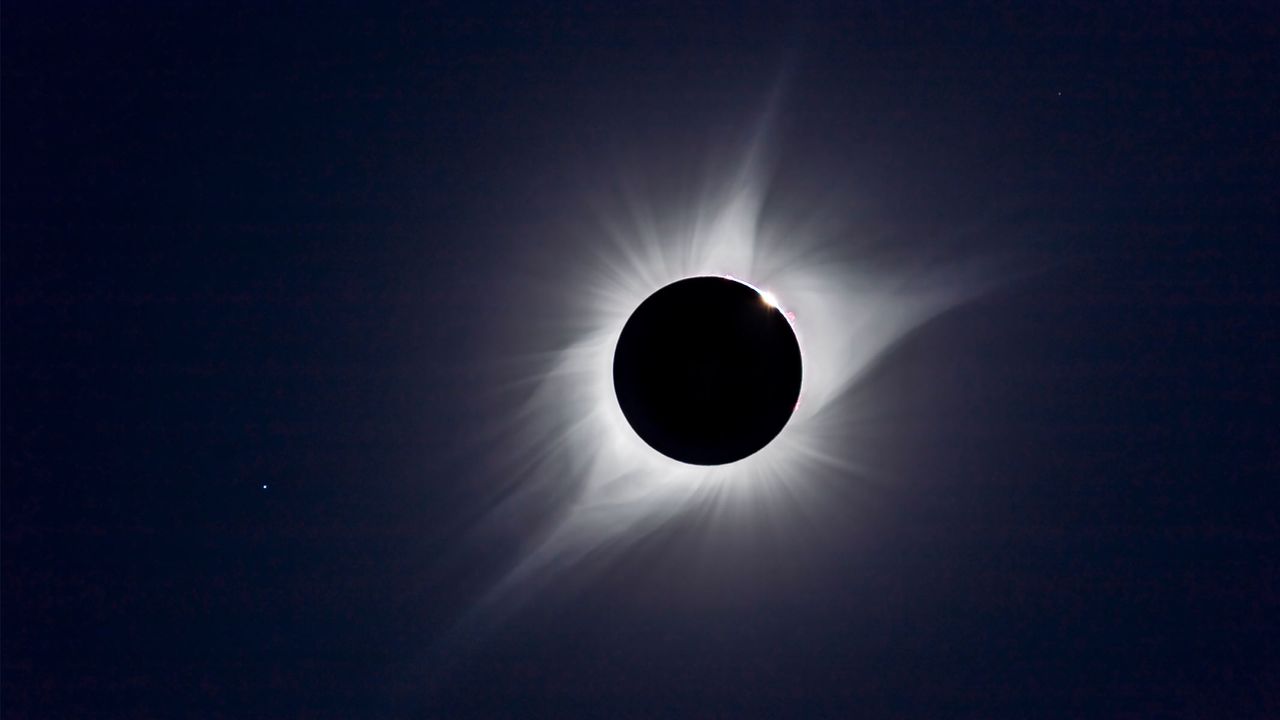
The next total solar eclipse is set to take place on August 12, 2026. This astronomical event will cast a path of totality across eastern Greenland, western Iceland, and northern Spain, plunging these areas into darkness for up to 2 minutes and 18 seconds. Whether you plan to travel independently or join a specialized eclipse tour, being prepared with the right gear is crucial for both safety and enjoyment.
As the countdown to the eclipse begins, many retailers are already offering discounts on skywatching equipment. Taking advantage of these sales can help eclipse enthusiasts secure essential items at reduced prices. Preparation involves more than simply being at the right location; it requires having the appropriate tools to observe the eclipse safely, capture images, and engage in scientific exploration.
Must-Have Equipment for the Eclipse
For those aiming to photograph the eclipse, a telephoto lens with a focal length of approximately 400mm is essential. This allows for capturing the moon’s silhouette against the sun as well as the solar corona, the ethereal halo of light visible during totality. The Sony telephoto lens, which can reach 600mm, is particularly noted for its sharpness. A sturdy tripod will be necessary to support the weight, along with a solar filter to safely view the partial phases of the eclipse. It is important to note that filters must be removed during totality.
To view the partial phases safely, a solar filter is required. While some may consider investing in expensive glass filters, more affordable options like the Celestron EclipSmart filters can be a practical choice. These foldable cardboard-and-solar film filters fit over the objective lens of any camera or binoculars, allowing observers to enjoy the eclipse without the financial burden of high-end equipment.
For an immersive experience, consider using binoculars. The Canon 10x42L IS WP image-stabilized binoculars are highly recommended, utilizing gyroscope motion sensors to counteract shake for a clearer view. Like cameras, binoculars should only be used with solar filters during the partial phases.
Capturing Memories and Observing Safely
While photographing the eclipse is one way to remember the event, capturing video can also provide lasting memories. The GoPro HERO13 Black is ideal for this purpose, offering 5.3K video capabilities and excellent low-light features. Although its wide-angle lens may not focus on the eclipse itself, it captures the atmosphere and reactions of fellow eclipse chasers, creating a cherished record of the experience.
For those preferring a simpler method, solar eclipse glasses are a cost-effective way to observe the event. It’s essential to ensure that these glasses are ISO 12312-2 compliant, as they filter out harmful ultraviolet, infrared light, and over 99.999% of intense visible light. A recommended option includes the Rainbow Symphony glasses, which come in various styles and are manufactured in the United States.
As the eclipse draws near, it’s beneficial to have a comfortable place to relax during the event. A zero-gravity outdoor chair, equipped with a reclining feature, makes for an excellent choice. This will be useful not only during the eclipse but also for enjoying the peak of the Perseid meteor shower later that night.
To enhance understanding of the eclipse, reading materials can also be valuable. A notable recommendation is Tyler Nordgren‘s book, “Sun Moon Earth.” This engaging account explores the history of eclipses and their significance in various cultures, providing context for what viewers are about to witness.
As excitement builds for the total solar eclipse on August 12, 2026, it is important for observers to consider potential challenges, such as weather conditions. Cloud cover can obstruct views across the path of totality, making mobility essential for those who want the best chance to witness this remarkable event. In Spain, for example, the eclipse will occur relatively low in the sky, underscoring the importance of having clear horizons.
The golden rule for eclipse viewing is straightforward: remove eclipse glasses and solar filters only during totality. Observers should be ready to replace them as the sun reappears, ensuring a safe and unforgettable experience. Witnessing a total solar eclipse is a rare opportunity that can leave a lasting impression for a lifetime.

South Korea Implements Urgent FX Oversight Amid Market Instability

Tampa Lights Up Riverwalk for Holidays with Grand Tree Lighting

Urgent Cyber Monday Mattress Deals: Save Up to 59% Right Now!

New Zealand Building Permits Fall 0.9% in October, FX Market Stable

Alexander Skarsgård Celebrates Nomination at BIFA 2025

NYPD Faces Backlash Over Heavy Response to Chinatown Protest

Republicans Face Urgent Decisions on Affordable Care Act Subsidies

Philipsburg Unveils Pennsylvania’s Tallest Santa Amid Festive Cheer

U.S. and Ukraine Leaders Meet to Revive Peace Talks Amid Conflict

University of Hawaiʻi Joins $25.6M AI Project to Monitor Disasters

Foreign Inflows into Japan Stocks Surge to ¥1.34 Trillion

BOYNEXTDOOR’s Jaehyun Faces Backlash Amid BTS-TWICE Controversy

Carson Wentz Out for Season After Shoulder Surgery: Urgent Update

Marc Buoniconti’s Legacy: 40 Years Later, Lives Transformed

Innovative Surgery Restores Confidence for Breast Cancer Patients

Steve Kerr Supports Jonathan Kuminga After Ejection in Preseason Game

Kelsea Ballerini Launches ‘Burn the Baggage’ Candle with Ranger Station

Chicago’s Viral ‘Rat Hole’ Likely Created by Squirrel, Study Reveals
-
Science4 weeks ago
University of Hawaiʻi Joins $25.6M AI Project to Monitor Disasters
-
Business1 month ago
Foreign Inflows into Japan Stocks Surge to ¥1.34 Trillion
-
 Top Stories1 month ago
BOYNEXTDOOR’s Jaehyun Faces Backlash Amid BTS-TWICE Controversy
-
 Top Stories1 month ago
Carson Wentz Out for Season After Shoulder Surgery: Urgent Update
-
 Top Stories1 month ago
Marc Buoniconti’s Legacy: 40 Years Later, Lives Transformed
-
 Health1 month ago
Innovative Surgery Restores Confidence for Breast Cancer Patients
-
 Sports2 months ago
Steve Kerr Supports Jonathan Kuminga After Ejection in Preseason Game
-
 Lifestyle2 months ago
Kelsea Ballerini Launches ‘Burn the Baggage’ Candle with Ranger Station
-
 Science2 months ago
Chicago’s Viral ‘Rat Hole’ Likely Created by Squirrel, Study Reveals
-

 Lifestyle2 months ago
Dua Lipa Celebrates Passing GCSE Spanish During World Tour
-

 Entertainment2 months ago
Zoe Saldana Advocates for James Cameron’s Avatar Documentary
-

 Business2 months ago
Tyler Technologies Set to Reveal Q3 2025 Earnings on October 22