
Politics
Democrats Propose Reversals on RIF Amid Shutdown Negotiations

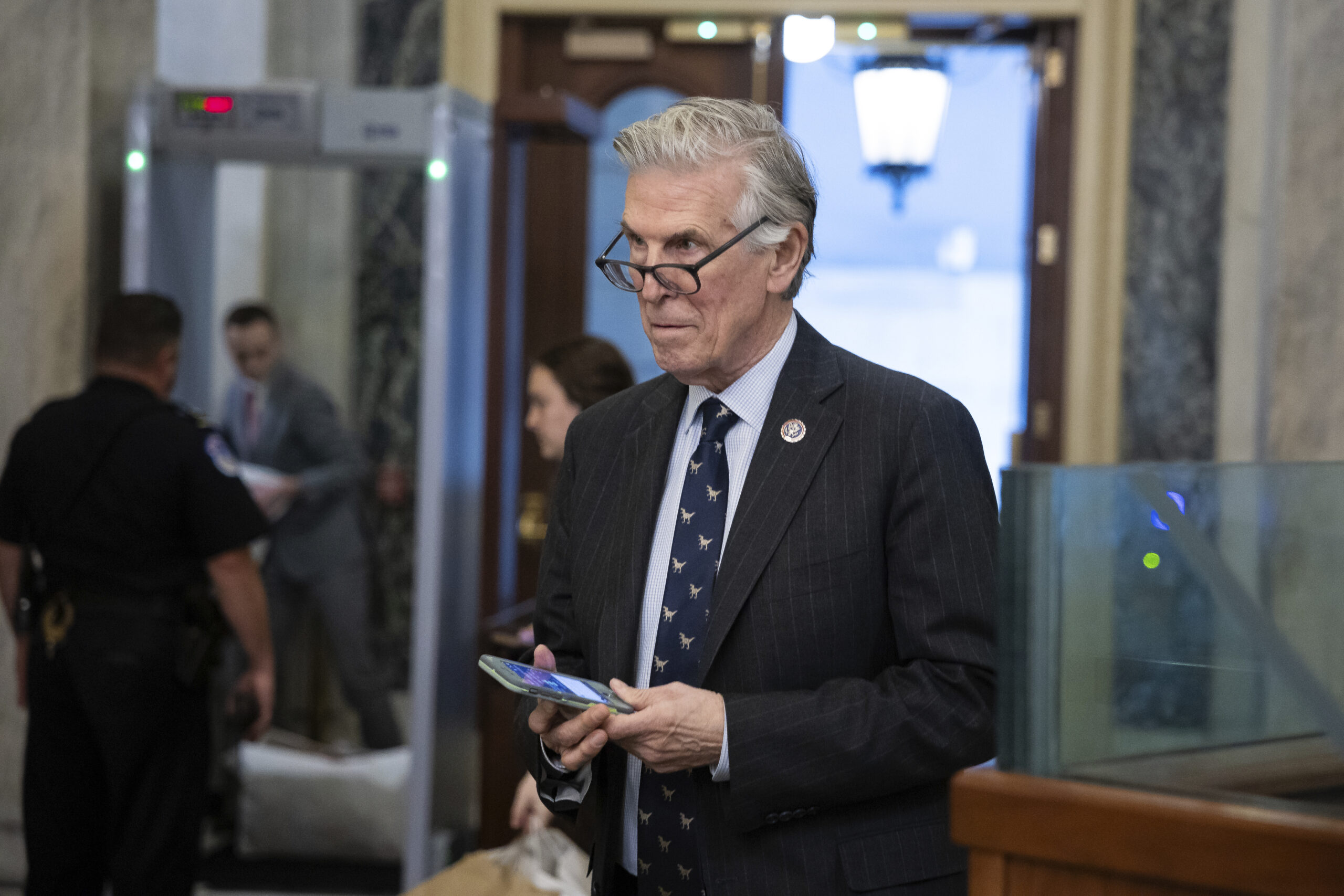
Democratic lawmakers are advocating for the reversal of recent reductions in force (RIF) policies as a critical component in negotiations aimed at preventing a government shutdown. As discussions unfold in Congress, these proposals aim to ensure job security for workers affected by potential budgetary stalemates.
The push for these measures comes against a backdrop of increasing tension regarding government funding. With a deadline looming on September 30, 2023, the urgency to reach a consensus has intensified. Some lawmakers are emphasizing the importance of including provisions that protect workers in any legislative deal intended to avert a shutdown.
Many Democrats are focusing on the need to shield federal employees from job losses that may arise during budget negotiations. This comes as various courts have stepped in to address legal challenges surrounding previous RIF decisions. The ongoing litigation underscores the complexities of managing workforce reductions while balancing budgetary constraints.
Legislative Climate and Worker Protections
The current legislative climate is marked by significant uncertainty. Lawmakers are grappling with competing priorities as they seek to secure government funding while also addressing the concerns of public sector employees. The potential for a shutdown raises critical questions about the stability of government employment and the welfare of those individuals who serve the public.
In their proposals, Democrats are advocating for comprehensive labor protections that would safeguard against arbitrary job cuts. By prioritizing workforce stability, they aim to create a more favorable environment for negotiations in the face of budgetary pressures.
The conversations surrounding RIF reversals reflect broader concerns about the impact of fiscal policies on workers. The Democratic caucus is keenly aware of the implications these decisions carry for thousands of employees across various federal agencies. As they push forward with these initiatives, the focus remains on finding common ground that balances fiscal responsibility with the need for job security.
Future Implications and Ongoing Negotiations
As negotiations continue, the outcome remains uncertain. The fate of the proposed RIF reversals will depend largely on bipartisan cooperation and the willingness of lawmakers to prioritize worker protections in their discussions.
The potential ramifications of a government shutdown could be far-reaching, affecting not only federal employees but also the citizens who rely on government services. With each passing day, the pressure mounts for a resolution that addresses both fiscal stability and the well-being of the workforce.
In summary, the Democratic proposal to reverse RIF policies illustrates a concerted effort to protect workers as Congress navigates the complexities of budget negotiations. The stakes are high, and the path forward will require careful consideration of the implications for federal employees and the broader public.

Urgent Update: Shelter Cat Cordova Finds Home After 707 Days

Fortnite x Bleach Skins Launching Soon: Prices & Details Revealed

Netflix’s Last Samurai Standing Renewed for Season 2 Amid Breakout Success

Ukrainian Drones Strike Russian Tanker in Mediterranean Sea

Phraction Management Increases Stake in Honeywell International

Exploring Environmental Robotics with ETH Zürich’s Stefano Mintchev

Trinity Capital Inc. Declares Monthly Dividend of $0.17 for March 31

Immigration Surge Intensifies U.S. Rental Crisis Amid Demand Boom

Christmas Carols: Reflecting Traditions and Faith This Season

University of Hawaiʻi Joins $25.6M AI Project to Monitor Disasters

Foreign Inflows into Japan Stocks Surge to ¥1.34 Trillion

BOYNEXTDOOR’s Jaehyun Faces Backlash Amid BTS-TWICE Controversy

Boeing’s Merger with McDonnell Douglas: A Strategic Move Explained

Carson Wentz Out for Season After Shoulder Surgery: Urgent Update

Sydney Sweeney Embraces Body Positivity Amid Hollywood Challenges

Marc Buoniconti’s Legacy: 40 Years Later, Lives Transformed

Kelsea Ballerini Launches ‘Burn the Baggage’ Candle with Ranger Station

Innovative Surgery Restores Confidence for Breast Cancer Patients
-
Science2 months ago
University of Hawaiʻi Joins $25.6M AI Project to Monitor Disasters
-
Business2 months ago
Foreign Inflows into Japan Stocks Surge to ¥1.34 Trillion
-
 Top Stories2 months ago
BOYNEXTDOOR’s Jaehyun Faces Backlash Amid BTS-TWICE Controversy
-
 World2 months ago
Boeing’s Merger with McDonnell Douglas: A Strategic Move Explained
-
 Top Stories2 months ago
Carson Wentz Out for Season After Shoulder Surgery: Urgent Update
-
 Entertainment2 months ago
Sydney Sweeney Embraces Body Positivity Amid Hollywood Challenges
-
 Top Stories2 months ago
Marc Buoniconti’s Legacy: 40 Years Later, Lives Transformed
-
 Lifestyle2 months ago
Kelsea Ballerini Launches ‘Burn the Baggage’ Candle with Ranger Station
-
 Health2 months ago
Innovative Surgery Restores Confidence for Breast Cancer Patients
-

 Sports2 months ago
Steve Kerr Supports Jonathan Kuminga After Ejection in Preseason Game
-

 Entertainment2 months ago
Zoe Saldana Advocates for James Cameron’s Avatar Documentary
-

 Science2 months ago
Chicago’s Viral ‘Rat Hole’ Likely Created by Squirrel, Study Reveals