
Lifestyle
Embracing Gratitude: A Strategy for Community Healing

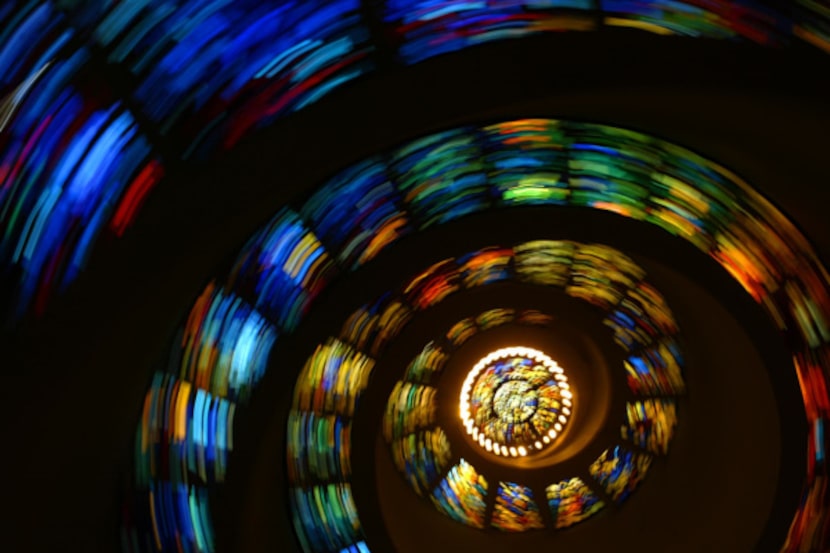
This holiday season, the concept of gratitude emerges not merely as a sentiment but as a strategic approach to community cohesion and healing. In an age where information is plentiful yet meaningful discourse seems scarce, the practice of gratitude offers a powerful antidote to societal fragmentation. According to Kyle Ogden, president and CEO of the Thanks-Giving Foundation, gratitude is foundational — it shapes perceptions, enhances relationships, and fosters a sense of responsibility within communities.
Reflecting on the origin of the Thanks-Giving Square in Dallas, Ogden highlights how a group of business leaders, over six decades ago, chose to honor a virtue rather than a political figure. Their belief was that gratitude could help mend the city’s divisions, a notion that resonates today as society grapples with challenges like political polarization and declining trust.
Gratitude is not a superficial feeling; it is a strategic mindset that encourages individuals to recognize the abundance of possibilities rather than focusing solely on scarcity. Practicing gratitude shifts one’s perspective, enabling people to see neighbors instead of strangers and solutions instead of impasses. This shift is described by Ogden as “perceptual intelligence,” which fosters a more connected and compassionate society.
In a culture often overwhelmed by a sense of scarcity—whether it be time, attention, or goodwill—gratitude disrupts this narrative. It asserts that individuals already possess enough to initiate positive change. Engaging in gratitude cultivates civic intelligence, encouraging active participation in community life. As Ogden states, “When we practice gratitude, we begin to see the world not as something to control, but as something entrusted to us.”
The relational aspect of gratitude also plays a crucial role. By acknowledging the people and systems that support us—teachers, mentors, and community members—individuals are reminded of their interdependence. This realization fosters humility, making genuine connections possible, which Ogden identifies as essential for any thriving city, including Dallas.
Moreover, gratitude fuels creative intelligence by directing attention toward what is functioning well within a community. It inspires individuals to contribute toward the collective good, reinforcing the idea that ordinary people can enact cultural change through their daily actions. Gratitude empowers individuals to become active participants rather than passive observers in their cultural landscape.
Ogden emphasizes that gratitude should not remain a private sentiment but must be recognized as a public virtue. It invites individuals to reflect on the blessings they have received and encourages them to give back through acts of kindness, justice, and hospitality. In a world marked by division, this outward flow of gratitude becomes a powerful form of resistance, affirming that goodness and hope still exist.
As society approaches the new year in 2026, Ogden urges individuals to adopt this posture of gratitude as a guiding principle. He posits that true renewal arises not from solitary resolutions but from commitments made within a community. By nurturing an attitude of gratitude—keeping eyes open, hearts receptive, and hands ready to act—people can help shape a more compassionate and resilient world.
In conclusion, gratitude offers a path forward. It reassures us that abundance and agency are within reach, enabling collective upliftment. As Ogden poignantly asks, “Shouldn’t we be grateful for that?” The call to embrace gratitude as a strategy for community healing is timely and essential, especially as we navigate the uncertainties and possibilities of the future.

Bosque Brewing Closes Two Albuquerque Locations Amid Bankruptcy

Kylie Jenner Stuns in Backless Dress at Holiday Party

Australia Faces Surge in Antisemitism Amidst Multicultural Debate

Disney+ Celebrates Record Streaming on Star Wars Day 2025

U.S. Attorney General Ends Charges Against Surgeon Falsifying Vaccine Cards

Urgent: 50 MPH Winds and Heavy Rain to Disrupt Friday Commute

Smart Ring Circular Ring 2 Launches at $299, Tracks 140 Biosignals

North Carolina GOP Redistricting Sparks Competitive Congressional Race

Biotech Sector Shifts to Profitability as Companies Mature

University of Hawaiʻi Joins $25.6M AI Project to Monitor Disasters

Foreign Inflows into Japan Stocks Surge to ¥1.34 Trillion

BOYNEXTDOOR’s Jaehyun Faces Backlash Amid BTS-TWICE Controversy

Boeing’s Merger with McDonnell Douglas: A Strategic Move Explained

Carson Wentz Out for Season After Shoulder Surgery: Urgent Update

Marc Buoniconti’s Legacy: 40 Years Later, Lives Transformed

Sydney Sweeney Embraces Body Positivity Amid Hollywood Challenges

Kelsea Ballerini Launches ‘Burn the Baggage’ Candle with Ranger Station

Innovative Surgery Restores Confidence for Breast Cancer Patients
-
Science2 months ago
University of Hawaiʻi Joins $25.6M AI Project to Monitor Disasters
-
Business2 months ago
Foreign Inflows into Japan Stocks Surge to ¥1.34 Trillion
-
 Top Stories2 months ago
BOYNEXTDOOR’s Jaehyun Faces Backlash Amid BTS-TWICE Controversy
-
 World2 months ago
Boeing’s Merger with McDonnell Douglas: A Strategic Move Explained
-
 Top Stories2 months ago
Carson Wentz Out for Season After Shoulder Surgery: Urgent Update
-
 Top Stories2 months ago
Marc Buoniconti’s Legacy: 40 Years Later, Lives Transformed
-
 Entertainment2 months ago
Sydney Sweeney Embraces Body Positivity Amid Hollywood Challenges
-
 Lifestyle2 months ago
Kelsea Ballerini Launches ‘Burn the Baggage’ Candle with Ranger Station
-
 Health2 months ago
Innovative Surgery Restores Confidence for Breast Cancer Patients
-

 Sports2 months ago
Steve Kerr Supports Jonathan Kuminga After Ejection in Preseason Game
-

 Entertainment2 months ago
Zoe Saldana Advocates for James Cameron’s Avatar Documentary
-
 Science2 months ago
Chicago’s Viral ‘Rat Hole’ Likely Created by Squirrel, Study Reveals