
Health
Scammers Exploit Technology to Sell Fake Weight Loss Drugs

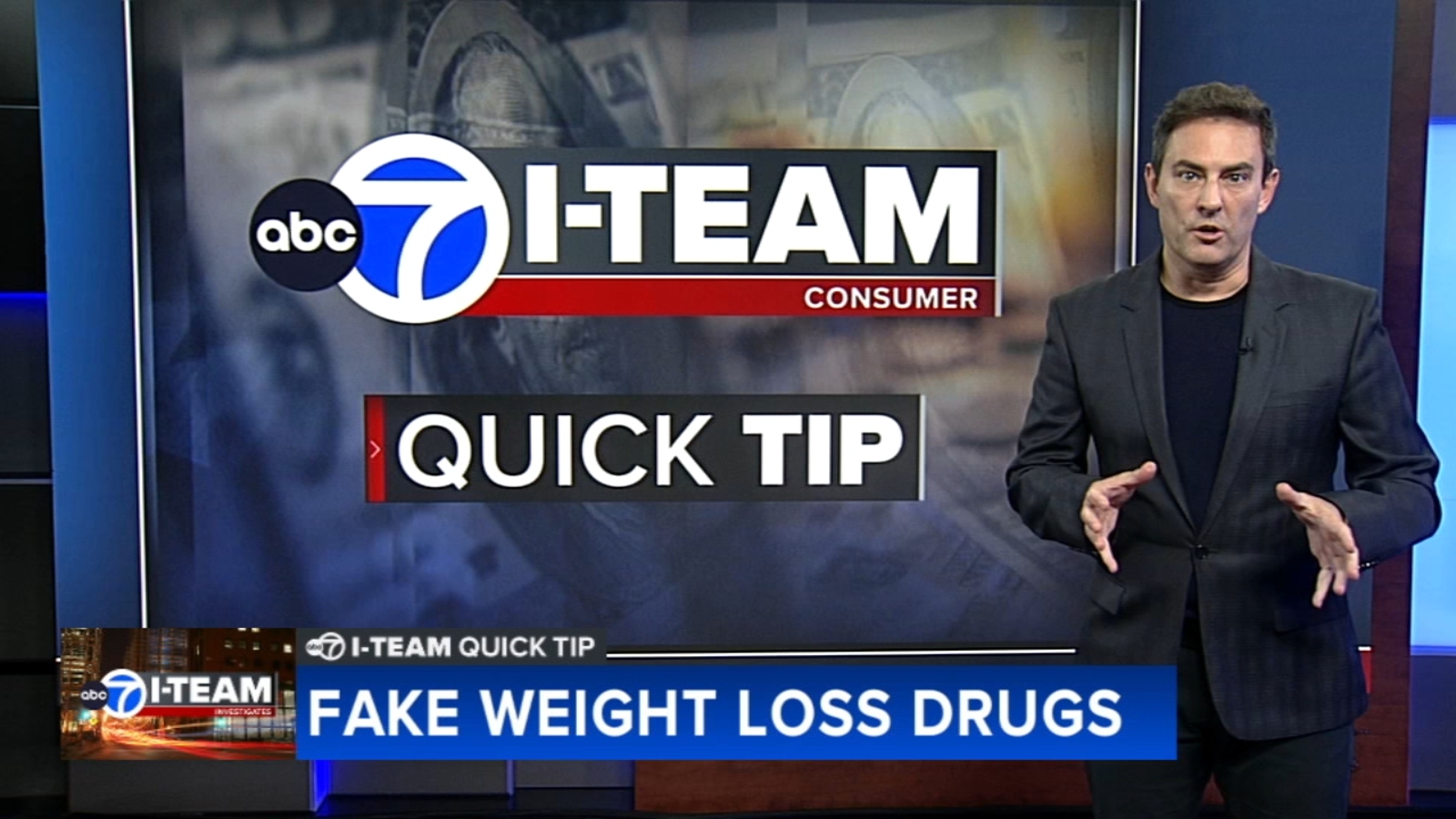
Fraudulent weight-loss products are increasingly being marketed through deceptive tactics, according to security experts at Checkpoint. Consumers are being lured into purchasing counterfeit medications via sophisticated methods, including deepfake videos and cloned social media profiles.
These scams often involve fake telehealth websites that promote medications not approved by the U.S. Food and Drug Administration (FDA). Such products can potentially contain harmful or untested substances, posing serious health risks to unsuspecting individuals. Health professionals urge the public to obtain weight-loss prescriptions solely from licensed healthcare providers and to fill these prescriptions at legitimate pharmacies.
Identifying Fraudulent Products
Recognizing the red flags associated with counterfeit weight-loss drugs is crucial. Consumers are advised to be cautious of products that exhibit misspellings or broken seals on packaging. Additionally, if the product does not bear the label of Novo Nordisk, the only FDA-approved manufacturer of Semaglutide-based medications like Ozempic and Wegovy, it should be viewed with suspicion.
According to health experts, these counterfeit drugs may not only fail to deliver the promised results but could also expose users to dangerous ingredients. The rise of online scams has heightened the need for vigilance among those seeking legitimate weight-loss solutions.
Individuals considering weight-loss medications are strongly encouraged to consult with healthcare professionals who can provide guidance and ensure safety. By taking the necessary precautions, consumers can protect themselves from the risks associated with counterfeit products.
The Role of Technology in Scams
As technology continues to advance, so too do the strategies employed by scammers. The use of deepfake technology enables fraudsters to create realistic videos that can mislead potential victims into believing they are legitimate endorsements. This tactic, combined with the proliferation of social media, allows scams to spread more rapidly and widely than ever before.
The prevalence of fake telehealth sites further complicates the landscape, as these platforms often mimic legitimate medical services. This trend emphasizes the importance of verifying the authenticity of any service before sharing personal information or making purchases.
In summary, the landscape of weight-loss product marketing is fraught with deceit, and consumers must remain alert. By understanding the risks and seeking appropriate guidance, individuals can navigate this complex environment more safely and effectively.

Japan’s PM Takaichi Vows to Prioritize Fiscal Management NOW

Long Island Faces Disruptive Winter Weather Tuesday Morning

Urgent: 18-Year-Old Killed in Triple Shooting in Bronzeville

Shark Teeth Reveal Urgent Insights to Prevent Extinction

Englewood Church Members Reunite After Thanksgiving Fire

Mayor Names Alan Wong as District 4 Supervisor Amid Controversy

Study Reveals Nitrous Oxide’s Potential in Treating Depression

Walmart Launches Massive Cyber Monday Sales Starting at $5

Rep. Don Bacon Criticizes White House for Lack of Clarity on Ukraine

University of Hawaiʻi Joins $25.6M AI Project to Monitor Disasters

Foreign Inflows into Japan Stocks Surge to ¥1.34 Trillion

BOYNEXTDOOR’s Jaehyun Faces Backlash Amid BTS-TWICE Controversy

Carson Wentz Out for Season After Shoulder Surgery: Urgent Update

Marc Buoniconti’s Legacy: 40 Years Later, Lives Transformed

Innovative Surgery Restores Confidence for Breast Cancer Patients

Steve Kerr Supports Jonathan Kuminga After Ejection in Preseason Game

Kelsea Ballerini Launches ‘Burn the Baggage’ Candle with Ranger Station

Chicago’s Viral ‘Rat Hole’ Likely Created by Squirrel, Study Reveals
-
Science4 weeks ago
University of Hawaiʻi Joins $25.6M AI Project to Monitor Disasters
-
Business1 month ago
Foreign Inflows into Japan Stocks Surge to ¥1.34 Trillion
-
 Top Stories1 month ago
BOYNEXTDOOR’s Jaehyun Faces Backlash Amid BTS-TWICE Controversy
-
 Top Stories1 month ago
Carson Wentz Out for Season After Shoulder Surgery: Urgent Update
-
 Top Stories1 month ago
Marc Buoniconti’s Legacy: 40 Years Later, Lives Transformed
-
 Health1 month ago
Innovative Surgery Restores Confidence for Breast Cancer Patients
-
 Sports2 months ago
Steve Kerr Supports Jonathan Kuminga After Ejection in Preseason Game
-
 Lifestyle2 months ago
Kelsea Ballerini Launches ‘Burn the Baggage’ Candle with Ranger Station
-
 Science2 months ago
Chicago’s Viral ‘Rat Hole’ Likely Created by Squirrel, Study Reveals
-

 Lifestyle2 months ago
Dua Lipa Celebrates Passing GCSE Spanish During World Tour
-

 Entertainment2 months ago
Zoe Saldana Advocates for James Cameron’s Avatar Documentary
-

 Business2 months ago
Tyler Technologies Set to Reveal Q3 2025 Earnings on October 22