
Health
Hospitals Cut C-Section Rates with Innovative Strategies

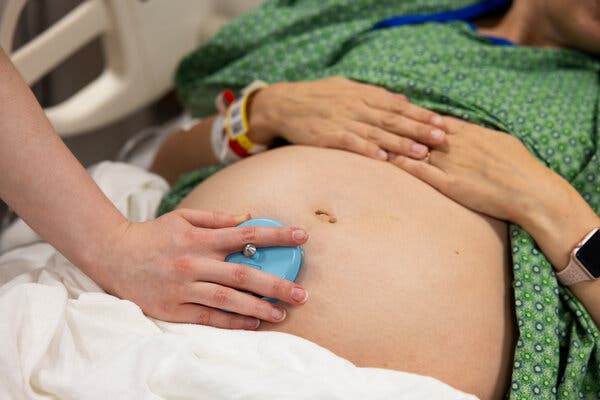
When Dr. Elizabeth Bostock assumed leadership of the obstetrics department at Rochester General Hospital in New York in 2019, she encountered a significant challenge: nearly 40 percent of healthy, first-time mothers were undergoing cesarean deliveries. This statistic starkly exceeded the federal government’s recommendation of 24 percent for such births. While cesarean sections can be crucial in emergencies, their overuse can lead to prolonged recovery times, complex future pregnancies, and even serious risks to the mother’s life.
“Most of the worst disasters I’ve seen in my career — hemorrhages, sepsis — are related to C-sections,” Dr. Bostock stated. “There is inherent risk in doing abdominal surgery.” Recognizing the need for change, Dr. Bostock implemented a series of targeted strategies to address the high cesarean rates at her facility.
In 2021, the hospital began routing low-risk patients to midwives, aiming to provide more individualized care. This shift allowed for increased support for vaginal deliveries, which can often be safer for both mothers and infants. In 2023, a new checklist was introduced, mandating specific steps to encourage vaginal delivery before considering surgical intervention.
Perhaps the most significant initiative involved direct conversations with physicians about their personal surgery rates. These discussions aimed to foster accountability and encourage a more judicious approach to cesarean deliveries.
While cesarean rates for first-time mothers in the United States generally rose during this period, Rochester General Hospital experienced a remarkable decline. The rate dropped steadily, reaching an impressive 25 percent in 2023. According to an analysis by the New York Times, this reduction is among the steepest at the 1,600 hospitals that regularly report cesarean rates to the Leapfrog Group, a nonprofit organization dedicated to publishing health care quality metrics.
The success at Rochester General serves as a potential model for hospitals across the country, demonstrating that focused interventions and open communication can lead to substantial improvements in maternal health outcomes. By addressing the root causes of high cesarean rates and promoting safer delivery methods, hospitals can enhance the overall experience for mothers and their families.
In a landscape where cesarean sections are often viewed as a standard procedure, the approach taken by Dr. Bostock and her team highlights the importance of evaluating individual circumstances and prioritizing patient safety. As other hospitals consider similar strategies, the hope is that more mothers will benefit from safe, effective, and supportive childbirth experiences.

Knicks Dominate Raptors 116-94, Extend Home Win Streak to 10

Hallmark Premieres ‘Christmas at the Catnip Café’ Tonight!

Millville Woman Arrested After Threatening U-Haul Worker with Baton

Japan’s PM Takaichi Vows to Prioritize Fiscal Management NOW

Long Island Faces Disruptive Winter Weather Tuesday Morning

Urgent: 18-Year-Old Killed in Triple Shooting in Bronzeville

Shark Teeth Reveal Urgent Insights to Prevent Extinction

Englewood Church Members Reunite After Thanksgiving Fire

Mayor Names Alan Wong as District 4 Supervisor Amid Controversy

University of Hawaiʻi Joins $25.6M AI Project to Monitor Disasters

Foreign Inflows into Japan Stocks Surge to ¥1.34 Trillion

BOYNEXTDOOR’s Jaehyun Faces Backlash Amid BTS-TWICE Controversy

Carson Wentz Out for Season After Shoulder Surgery: Urgent Update

Marc Buoniconti’s Legacy: 40 Years Later, Lives Transformed

Innovative Surgery Restores Confidence for Breast Cancer Patients

Kelsea Ballerini Launches ‘Burn the Baggage’ Candle with Ranger Station

Steve Kerr Supports Jonathan Kuminga After Ejection in Preseason Game

Chicago’s Viral ‘Rat Hole’ Likely Created by Squirrel, Study Reveals
-
Science4 weeks ago
University of Hawaiʻi Joins $25.6M AI Project to Monitor Disasters
-
Business1 month ago
Foreign Inflows into Japan Stocks Surge to ¥1.34 Trillion
-
 Top Stories1 month ago
BOYNEXTDOOR’s Jaehyun Faces Backlash Amid BTS-TWICE Controversy
-
 Top Stories1 month ago
Carson Wentz Out for Season After Shoulder Surgery: Urgent Update
-
 Top Stories1 month ago
Marc Buoniconti’s Legacy: 40 Years Later, Lives Transformed
-
 Health1 month ago
Innovative Surgery Restores Confidence for Breast Cancer Patients
-
 Lifestyle2 months ago
Kelsea Ballerini Launches ‘Burn the Baggage’ Candle with Ranger Station
-
 Sports2 months ago
Steve Kerr Supports Jonathan Kuminga After Ejection in Preseason Game
-
 Science2 months ago
Chicago’s Viral ‘Rat Hole’ Likely Created by Squirrel, Study Reveals
-

 Lifestyle2 months ago
Dua Lipa Celebrates Passing GCSE Spanish During World Tour
-

 Entertainment2 months ago
Zoe Saldana Advocates for James Cameron’s Avatar Documentary
-
 Politics2 months ago
Dallin H. Oaks Assumes Leadership of Latter-day Saints Church