
Health
Global Health Care Expands: Hospitals Forge International Alliances

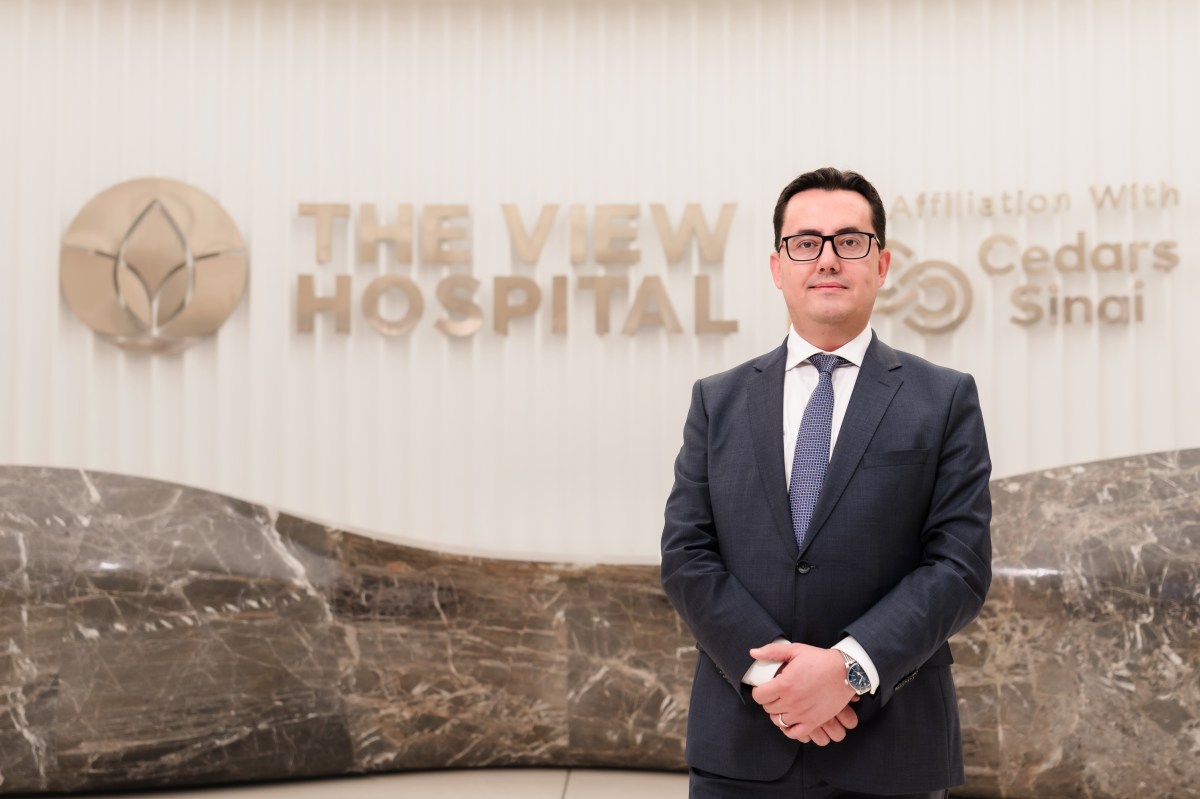
The landscape of global health care is undergoing a significant transformation as leading hospitals venture beyond domestic borders to enhance patient access and care quality. Institutions such as Cleveland Clinic, Mayo Clinic, Johns Hopkins, Cedars-Sinai, and King’s College Hospital London are not only attracting patients through medical tourism but are establishing branded hospitals and partnerships worldwide. This strategic expansion signifies a shift from localized excellence to a more interconnected global health care framework.
As a health care executive with over two decades of experience, I recognize that hospital affiliations represent not just branding opportunities but platforms for mutual learning and operational enhancement. Leading a hospital affiliated with Cedars-Sinai has provided me with insights into effective governance and clinical culture. Many affiliations remain superficial, offering little beyond a logo. In contrast, our partnership is built on shared governance, knowledge exchange, and collaborative quality management. This model has led to measurable improvements in safety and patient outcomes.
The evolution of medical tourism into global health care ecosystems is noteworthy. Initially, patients from regions like the Middle East and Eastern Europe sought treatment in renowned hospitals across the United States, United Kingdom, and Turkey. However, geopolitical shifts and rising travel costs have prompted host countries to question why they cannot provide similar care locally. This inquiry has led to a paradigm shift, with institutions launching overseas facilities and forming joint ventures to meet patient needs closer to home.
Redefining Global Health Care
Today’s health care ecosystem is more than just hospitals; it encompasses academic and clinical research centers, cross-border telemedicine, multisite clinical trials, and AI-driven diagnostics. This interconnected infrastructure delivers comprehensive care and supports innovation at a global scale.
Health care organizations are motivated by various strategic goals in their international expansions. These include:
– **Brand Extension**: Establishing flagship facilities to enhance global visibility.
– **Access to Patients**: Reducing barriers to care by meeting patients locally.
– **Talent Development**: Creating regional education hubs to attract and retain clinicians.
– **Research Growth**: Accessing diverse populations for advanced research, particularly in oncology and rare diseases.
– **Health System Resilience**: Collaborating with local entities to bolster infrastructure and readiness for health crises.
This strategic focus reflects a shift in global health leadership from merely exporting excellence to fostering localized health care solutions that maintain global consistency.
Emerging Players in Global Health
While traditional U.S. and U.K. hospitals have led the globalization of health care, Turkish and Asian institutions are making significant strides. Notable players like Acıbadem, Memorial, and IHH Healthcare are expanding their reach across Europe and Asia.
Acıbadem has become a leader in medical tourism, offering competitive care and Western-trained physicians. Their expansion includes opening full-service facilities in Europe and forming networks with local practitioners.
IHH Healthcare operates over 80 hospitals in countries including Singapore, Malaysia, and Turkey. Their services range from cross-border teleconsultation to AI-supported clinical decision-making, positioning them as an innovation hub in the region.
Despite the opportunities, global expansion comes with challenges. Maintaining quality standards across borders requires rigorous training and compliance with various regulations. Additionally, cultural sensitivity and legal complexities must be addressed to ensure successful integration.
Strategic health care leaders should align their international growth initiatives with their organizational missions. This includes choosing suitable models for expansion—whether through affiliations, joint ventures, or direct ownership—while ensuring the integration of digital health solutions and shared learning programs.
The future of health care is poised to be borderless, characterized by data-driven insights and collaborative care models. Institutions that excel will be those that combine clinical prowess with a commitment to operational agility and cultural understanding. Hospitals like The View Hospital in Doha and Cleveland Clinic Abu Dhabi exemplify this model, serving as integral nodes in a global health network.
As we move forward, the health care landscape will continue to evolve, enabling institutions to redefine how they deliver care, train professionals, and respond to emerging health challenges on a global scale.

Mayor Names Alan Wong as District 4 Supervisor Amid Controversy

Study Reveals Nitrous Oxide’s Potential in Treating Depression

Walmart Launches Massive Cyber Monday Sales Starting at $5

Rep. Don Bacon Criticizes White House for Lack of Clarity on Ukraine

UK Report Reveals Rise of AI in University Research Evaluation

Florida Hires Jon Sumrall as Head Coach: Implications for FSU Football

Trump Promises to Release MRI Results from October Scan

South Korea Implements Urgent FX Oversight Amid Market Instability

Tampa Lights Up Riverwalk for Holidays with Grand Tree Lighting

University of Hawaiʻi Joins $25.6M AI Project to Monitor Disasters

Foreign Inflows into Japan Stocks Surge to ¥1.34 Trillion

BOYNEXTDOOR’s Jaehyun Faces Backlash Amid BTS-TWICE Controversy

Carson Wentz Out for Season After Shoulder Surgery: Urgent Update

Marc Buoniconti’s Legacy: 40 Years Later, Lives Transformed

Innovative Surgery Restores Confidence for Breast Cancer Patients

Steve Kerr Supports Jonathan Kuminga After Ejection in Preseason Game

Kelsea Ballerini Launches ‘Burn the Baggage’ Candle with Ranger Station

Chicago’s Viral ‘Rat Hole’ Likely Created by Squirrel, Study Reveals
-
Science4 weeks ago
University of Hawaiʻi Joins $25.6M AI Project to Monitor Disasters
-
Business1 month ago
Foreign Inflows into Japan Stocks Surge to ¥1.34 Trillion
-
 Top Stories1 month ago
BOYNEXTDOOR’s Jaehyun Faces Backlash Amid BTS-TWICE Controversy
-
 Top Stories1 month ago
Carson Wentz Out for Season After Shoulder Surgery: Urgent Update
-
 Top Stories1 month ago
Marc Buoniconti’s Legacy: 40 Years Later, Lives Transformed
-
 Health1 month ago
Innovative Surgery Restores Confidence for Breast Cancer Patients
-
 Sports2 months ago
Steve Kerr Supports Jonathan Kuminga After Ejection in Preseason Game
-
 Lifestyle2 months ago
Kelsea Ballerini Launches ‘Burn the Baggage’ Candle with Ranger Station
-
 Science2 months ago
Chicago’s Viral ‘Rat Hole’ Likely Created by Squirrel, Study Reveals
-

 Lifestyle2 months ago
Dua Lipa Celebrates Passing GCSE Spanish During World Tour
-

 Entertainment2 months ago
Zoe Saldana Advocates for James Cameron’s Avatar Documentary
-

 Politics2 months ago
Dallin H. Oaks Assumes Leadership of Latter-day Saints Church