
Science
Urban Plants Adapt to City Life, Evolving New Traits


Recent studies reveal that urbanization not only disrupts natural ecosystems but also fosters the evolution of plant species. As cities expand, they create unique environmental conditions that compel plants to adapt in unexpected ways. This dual outcome highlights the resilience of nature amidst human development.
Research conducted by a team of ecologists at the University of California, Berkeley, has shown that urban plants have developed distinct traits to thrive in their new surroundings. These traits include increased drought resistance and altered growth patterns, which allow them to survive in fragmented habitats often dominated by concrete and asphalt.
Understanding Urban Adaptation
The study, published in August 2023, suggests that urban environments can drive significant changes in plant morphology and physiology. For instance, plants in cities often face challenges such as limited water availability, pollution, and increased temperatures. To cope, they exhibit adaptations such as deeper root systems and a faster growth rate, enabling them to capture resources more efficiently than their rural counterparts.
In a striking example, researchers observed that the London Plane Tree has developed a thicker bark to protect against urban pollutants, while also altering its leaf structure to maximize photosynthesis in shaded areas. These changes not only enhance the tree’s survival but also contribute to the overall biodiversity of urban environments.
Moreover, the findings underscore the importance of understanding how urbanization affects local ecosystems. By studying these adaptations, scientists can better predict how plant species might respond to ongoing urban expansion and climate change.
Implications for Urban Planning
The implications of this research extend beyond the scientific community. Urban planners and policymakers can leverage this knowledge to foster greener cities. By incorporating native and adaptable plant species into urban landscapes, cities can enhance biodiversity and improve air quality, ultimately benefiting human populations.
The research highlights the need for a balanced approach to urban development. As cities continue to grow, acknowledging the capacity of plants to adapt can inform strategies that promote ecological resilience.
As urbanization reshapes landscapes, it becomes crucial to appreciate the dynamic relationship between cities and nature. Understanding how plants evolve in response to urban conditions not only enriches our knowledge of ecology but also inspires innovative solutions for sustainable urban development.
In summary, while urbanization poses challenges to ecosystems, it can also drive remarkable adaptations in plant species. By recognizing and harnessing these changes, cities can work towards a more sustainable future.

Fatal Motorcycle Crash Closes I-80 in Berkeley, Traffic Jam Ensues

Andrew’s Potential Memoir Could Fetch Up to $30 Million

Lakers Claim Seventh Straight Win Against Pelicans Without LeBron

University of Arizona Researchers Uncover Key to Preventing Scar Tissue

Vanderbilt Athletics Achieves Milestone Victories Over Thanksgiving Weekend

Four Arrested in Australia for Alleged Role in Child Abuse Ring

Urgent Update: Massive Fire Erupts at Oklahoma City Apartments

Elon Musk Claims AI Will Resolve U.S. Debt Crisis in 3 Years

Shai Gilgeous-Alexander Eyes Wilt Chamberlain’s Scoring Record

University of Hawaiʻi Joins $25.6M AI Project to Monitor Disasters

Foreign Inflows into Japan Stocks Surge to ¥1.34 Trillion

BOYNEXTDOOR’s Jaehyun Faces Backlash Amid BTS-TWICE Controversy

Carson Wentz Out for Season After Shoulder Surgery: Urgent Update

Marc Buoniconti’s Legacy: 40 Years Later, Lives Transformed

Innovative Surgery Restores Confidence for Breast Cancer Patients

Steve Kerr Supports Jonathan Kuminga After Ejection in Preseason Game

Kelsea Ballerini Launches ‘Burn the Baggage’ Candle with Ranger Station

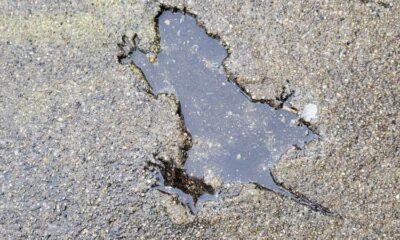
Chicago’s Viral ‘Rat Hole’ Likely Created by Squirrel, Study Reveals
-
Science4 weeks ago
University of Hawaiʻi Joins $25.6M AI Project to Monitor Disasters
-
Business1 month ago
Foreign Inflows into Japan Stocks Surge to ¥1.34 Trillion
-
 Top Stories1 month ago
BOYNEXTDOOR’s Jaehyun Faces Backlash Amid BTS-TWICE Controversy
-
 Top Stories1 month ago
Carson Wentz Out for Season After Shoulder Surgery: Urgent Update
-
 Top Stories1 month ago
Marc Buoniconti’s Legacy: 40 Years Later, Lives Transformed
-
 Health1 month ago
Innovative Surgery Restores Confidence for Breast Cancer Patients
-
 Sports2 months ago
Steve Kerr Supports Jonathan Kuminga After Ejection in Preseason Game
-
 Lifestyle2 months ago
Kelsea Ballerini Launches ‘Burn the Baggage’ Candle with Ranger Station
-
 Science2 months ago
Chicago’s Viral ‘Rat Hole’ Likely Created by Squirrel, Study Reveals
-

 Entertainment2 months ago
Zoe Saldana Advocates for James Cameron’s Avatar Documentary
-

 Lifestyle2 months ago
Dua Lipa Celebrates Passing GCSE Spanish During World Tour
-

 Business2 months ago
Tyler Technologies Set to Reveal Q3 2025 Earnings on October 22