
Top Stories
DRAM Prices Surge: PC Upgrades Now Costing Consumers More

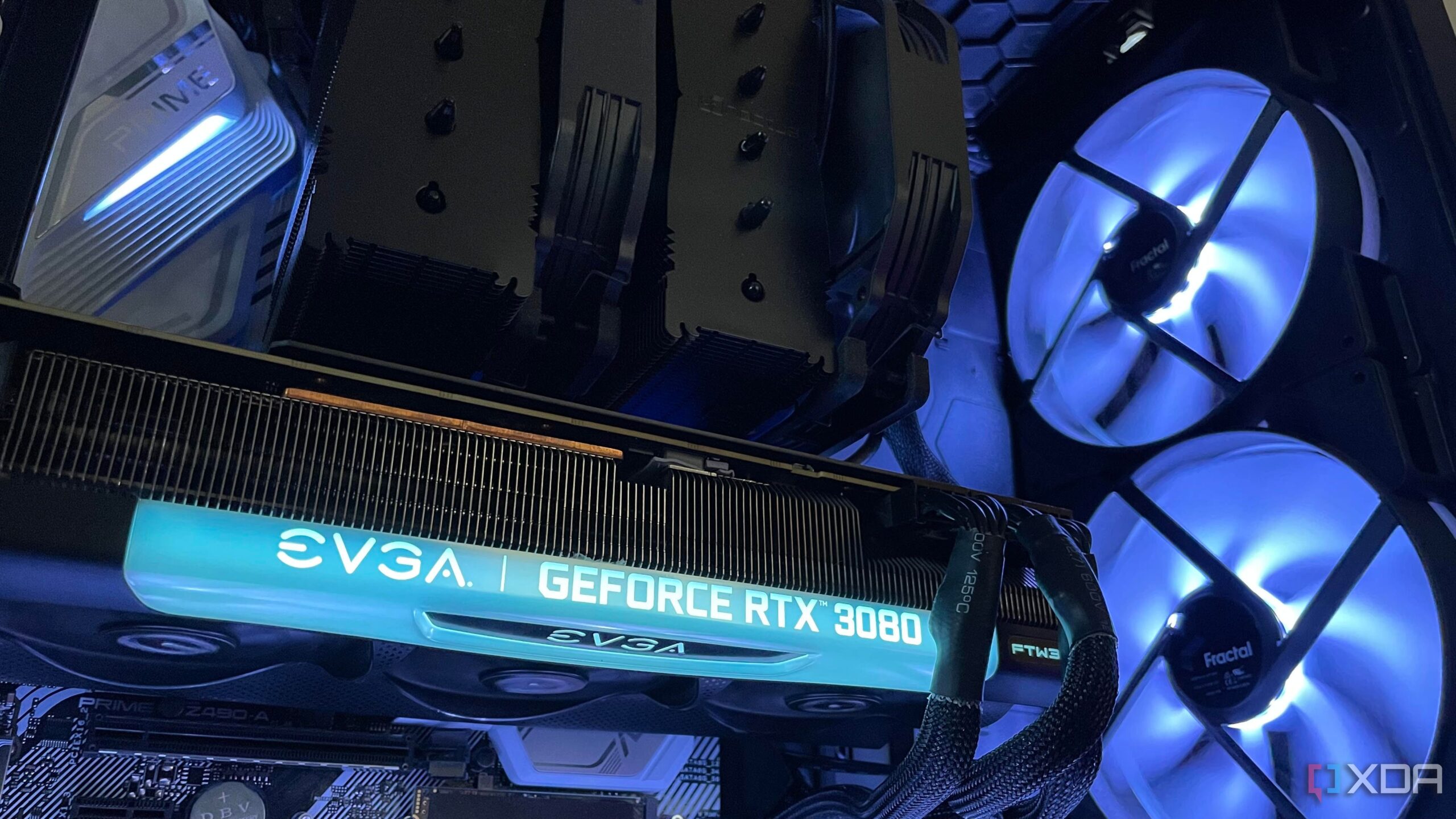
UPDATE: The ongoing DRAM shortage is causing a dramatic surge in prices, impacting PC builders globally. As of October 2023, reports indicate that the latest price hikes are forcing consumers to rethink their upgrade strategies, with expectations that costs will continue to rise through 2025 and into 2026.
The memory pricing spike is not gradual; it has hit the market with alarming speed. The root cause lies primarily in the soaring demand from AI and enterprise workloads, which are consuming DRAM production at an unprecedented rate. High-bandwidth memory (HBM), essential for AI accelerators, is utilizing the same DRAM supplies that consumers depend on, leading manufacturers to prioritize lucrative enterprise contracts over consumer-grade memory like DDR4 and DDR5.
Consumers aiming to “future-proof” their systems now face a stark reality. The notion of avoiding costly upgrade cycles by investing in high-performance components is rapidly becoming obsolete. With DRAM prices soaring, many consumers are realizing that their planned upgrades are likely to become prohibitively expensive. Those who thought they could comfortably wait may now find themselves in a tight spot, facing a significantly more expensive market than they anticipated.
Industry experts warn that this is not just another minor fluctuation in RAM prices. Availability is tightening, and dramatic increases are expected to persist. The implications for PC builders are significant: waiting for better prices may lead to missing out on key components altogether.
Timing is now crucial for anyone looking to upgrade. The traditional idea of waiting until hardware shows clear signs of age may no longer be viable. Instead, consumers are encouraged to act swiftly when they see stable pricing. This strategy has already paid off for some early adopters who upgraded their GPUs and RAM before the current crisis struck.
For example, one consumer successfully upgraded to an RTX 3080 just months before the price spike, avoiding the chaos currently faced by those who delayed their decisions. “Upgrading before the need is dire is key,” they stated, highlighting the importance of preventative action in today’s volatile market.
As the situation develops, it is essential for consumers to prioritize their upgrade paths carefully. Investing in a new PC with a keen eye on future compatibility can save users from exorbitant costs later on. The message is clear: while you can’t predict market trends, avoiding delays in upgrading hardware nearing the end of its lifecycle is becoming increasingly critical.
The current DRAM crisis illustrates just how rapidly the tech landscape can shift, underscoring the need for proactive planning in PC building. As prices continue to climb, users must decide whether to invest now or risk paying a premium later for components that could have been acquired before the surge. The urgency is palpable, and the stakes have never been higher for those looking to navigate the ever-evolving world of PC hardware.

Shai Gilgeous-Alexander Eyes Wilt Chamberlain’s Scoring Record

Knicks Dominate Raptors 116-94, Extend Home Win Streak to 10

Hallmark Premieres ‘Christmas at the Catnip Café’ Tonight!

Millville Woman Arrested After Threatening U-Haul Worker with Baton

Japan’s PM Takaichi Vows to Prioritize Fiscal Management NOW

Long Island Faces Disruptive Winter Weather Tuesday Morning

Urgent: 18-Year-Old Killed in Triple Shooting in Bronzeville

Shark Teeth Reveal Urgent Insights to Prevent Extinction

Englewood Church Members Reunite After Thanksgiving Fire

University of Hawaiʻi Joins $25.6M AI Project to Monitor Disasters

Foreign Inflows into Japan Stocks Surge to ¥1.34 Trillion

BOYNEXTDOOR’s Jaehyun Faces Backlash Amid BTS-TWICE Controversy

Carson Wentz Out for Season After Shoulder Surgery: Urgent Update

Marc Buoniconti’s Legacy: 40 Years Later, Lives Transformed

Innovative Surgery Restores Confidence for Breast Cancer Patients

Kelsea Ballerini Launches ‘Burn the Baggage’ Candle with Ranger Station

Steve Kerr Supports Jonathan Kuminga After Ejection in Preseason Game

Chicago’s Viral ‘Rat Hole’ Likely Created by Squirrel, Study Reveals
-
Science4 weeks ago
University of Hawaiʻi Joins $25.6M AI Project to Monitor Disasters
-
Business1 month ago
Foreign Inflows into Japan Stocks Surge to ¥1.34 Trillion
-
 Top Stories1 month ago
BOYNEXTDOOR’s Jaehyun Faces Backlash Amid BTS-TWICE Controversy
-
 Top Stories1 month ago
Carson Wentz Out for Season After Shoulder Surgery: Urgent Update
-
 Top Stories1 month ago
Marc Buoniconti’s Legacy: 40 Years Later, Lives Transformed
-
 Health1 month ago
Innovative Surgery Restores Confidence for Breast Cancer Patients
-
 Lifestyle2 months ago
Kelsea Ballerini Launches ‘Burn the Baggage’ Candle with Ranger Station
-
 Sports2 months ago
Steve Kerr Supports Jonathan Kuminga After Ejection in Preseason Game
-
 Science2 months ago
Chicago’s Viral ‘Rat Hole’ Likely Created by Squirrel, Study Reveals
-

 Lifestyle2 months ago
Dua Lipa Celebrates Passing GCSE Spanish During World Tour
-

 Entertainment2 months ago
Zoe Saldana Advocates for James Cameron’s Avatar Documentary
-

 Politics2 months ago
Dallin H. Oaks Assumes Leadership of Latter-day Saints Church