
Health
Scientists Create First Fully Synthetic Brain Model Using New Tech

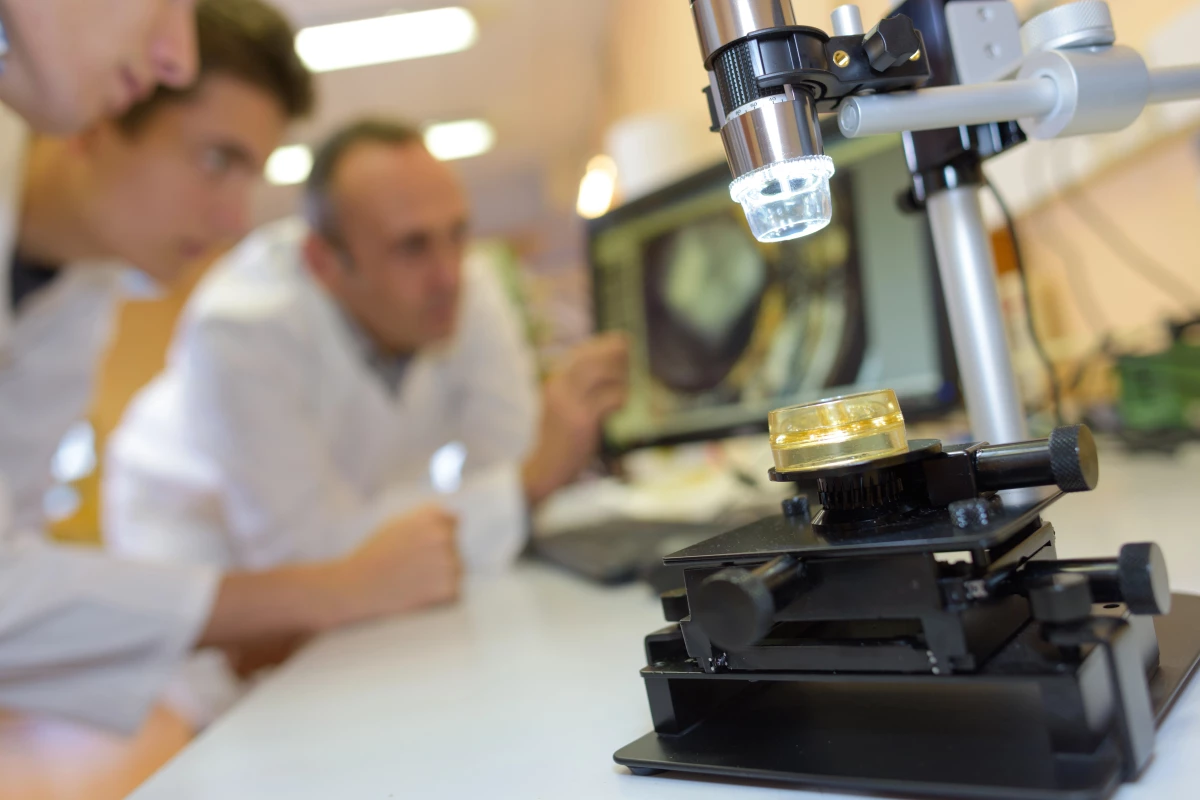
Researchers at the University of California, Riverside have achieved a significant breakthrough by developing the first fully synthetic model of human brain tissue. This innovative advancement, named the Bijel-Integrated PORous Engineered System (BIPORES), eliminates the reliance on animal-derived materials, aiming to revolutionize neural tissue engineering.
Neural tissue engineering seeks to replicate the brain’s intricate environment, known as the extracellular matrix. This matrix plays a crucial role in supporting nerve cell growth, development, and connectivity. Traditional methods often struggle to recreate the brain’s nuanced structure and the subtle signals that influence cell behavior. The BIPORES system addresses these challenges by providing a fully synthetic platform that supports the growth of neural cells without using biological coatings or materials sourced from animals.
The core material of this novel system is polyethylene glycol (PEG), a chemically neutral polymer that typically does not interact well with cells. In its natural state, PEG acts like a non-stick surface, making it difficult for cells to adhere. Historically, proteins such as laminin or fibrin have been required to facilitate cell attachment. The BIPORES technology has evolved from a previous method known as STrIPS, which produced small particles, fibers, and films with sponge-like structures, but was limited to a thickness of about 200 micrometers.
To create the BIPORES system, researchers combined large-scale fibrous shapes with complex pore patterns, inspired by bijels—soft materials characterized by smooth, saddle-shaped internal surfaces. Using a gel-like PEG solution, the team engineered a porous network stabilized with silica nanoparticles. They then utilized a custom microfluidic setup and a bioprinter to construct three-dimensional structures featuring interconnected pores. This design promotes the free movement of nutrients and waste, essential for supporting cell growth.
In experiments involving neural stem cells, the BIPORES system demonstrated strong cell attachment and promoted the development of active nerve connections. Lead author Prince David Okoro highlighted the importance of the stable scaffold for long-term studies. “Mature brain cells are more reflective of real tissue function when investigating relevant diseases or traumas,” he stated.
The creation of this scaffold involved a unique liquid mixture of PEG, ethanol, and water. The PEG behaves like oil in the mixture, while ethanol helps combine the components smoothly. As this mixture flowed through tiny glass tubes and interacted with water, a quick flash of light initiated a separation, resulting in a sponge-like structure filled with pores. These pores facilitate the exchange of oxygen and nutrients, essential for the health of the stem cells.
The current scaffold measures only two millimeters across, but the research team is actively working to scale it up for broader applications. They have also submitted a new paper exploring the potential of this technology for engineering liver tissue. The ultimate goal is to create interconnected networks of lab-grown mini-organs that communicate similarly to how organs function within the human body.
Iman Noshadi, an associate professor of bioengineering at UCR, emphasized the broader implications of their work. “An interconnected system would allow us to see how different tissues respond to the same treatment and how issues in one organ may affect another,” he explained. This approach represents a significant step toward understanding human biology and diseases in a more integrated manner.
From a biomimicry perspective, the BIPORES system offers a promising method for studying diseases, testing new drugs, and developing future treatments aimed at repairing or replacing damaged neural tissue. The findings of this groundbreaking research were published in the journal Advanced Functional Materials, marking a pivotal moment in the field of bioengineering and potentially transforming future medical research.

Millville Woman Arrested After Threatening U-Haul Worker with Baton

Japan’s PM Takaichi Vows to Prioritize Fiscal Management NOW

Long Island Faces Disruptive Winter Weather Tuesday Morning

Urgent: 18-Year-Old Killed in Triple Shooting in Bronzeville

Shark Teeth Reveal Urgent Insights to Prevent Extinction

Englewood Church Members Reunite After Thanksgiving Fire

Mayor Names Alan Wong as District 4 Supervisor Amid Controversy

Study Reveals Nitrous Oxide’s Potential in Treating Depression

Walmart Launches Massive Cyber Monday Sales Starting at $5

University of Hawaiʻi Joins $25.6M AI Project to Monitor Disasters

Foreign Inflows into Japan Stocks Surge to ¥1.34 Trillion

BOYNEXTDOOR’s Jaehyun Faces Backlash Amid BTS-TWICE Controversy

Carson Wentz Out for Season After Shoulder Surgery: Urgent Update

Marc Buoniconti’s Legacy: 40 Years Later, Lives Transformed

Innovative Surgery Restores Confidence for Breast Cancer Patients

Kelsea Ballerini Launches ‘Burn the Baggage’ Candle with Ranger Station

Steve Kerr Supports Jonathan Kuminga After Ejection in Preseason Game

Chicago’s Viral ‘Rat Hole’ Likely Created by Squirrel, Study Reveals
-
Science4 weeks ago
University of Hawaiʻi Joins $25.6M AI Project to Monitor Disasters
-
Business1 month ago
Foreign Inflows into Japan Stocks Surge to ¥1.34 Trillion
-
 Top Stories1 month ago
BOYNEXTDOOR’s Jaehyun Faces Backlash Amid BTS-TWICE Controversy
-
 Top Stories1 month ago
Carson Wentz Out for Season After Shoulder Surgery: Urgent Update
-
 Top Stories1 month ago
Marc Buoniconti’s Legacy: 40 Years Later, Lives Transformed
-
 Health1 month ago
Innovative Surgery Restores Confidence for Breast Cancer Patients
-
 Sports2 months ago
Steve Kerr Supports Jonathan Kuminga After Ejection in Preseason Game
-
 Lifestyle2 months ago
Kelsea Ballerini Launches ‘Burn the Baggage’ Candle with Ranger Station
-
 Science2 months ago
Chicago’s Viral ‘Rat Hole’ Likely Created by Squirrel, Study Reveals
-

 Lifestyle2 months ago
Dua Lipa Celebrates Passing GCSE Spanish During World Tour
-

 Entertainment2 months ago
Zoe Saldana Advocates for James Cameron’s Avatar Documentary
-

 Politics2 months ago
Dallin H. Oaks Assumes Leadership of Latter-day Saints Church