
Science
Researchers Uncover Ancient Metalworking Techniques Using CT Scanning

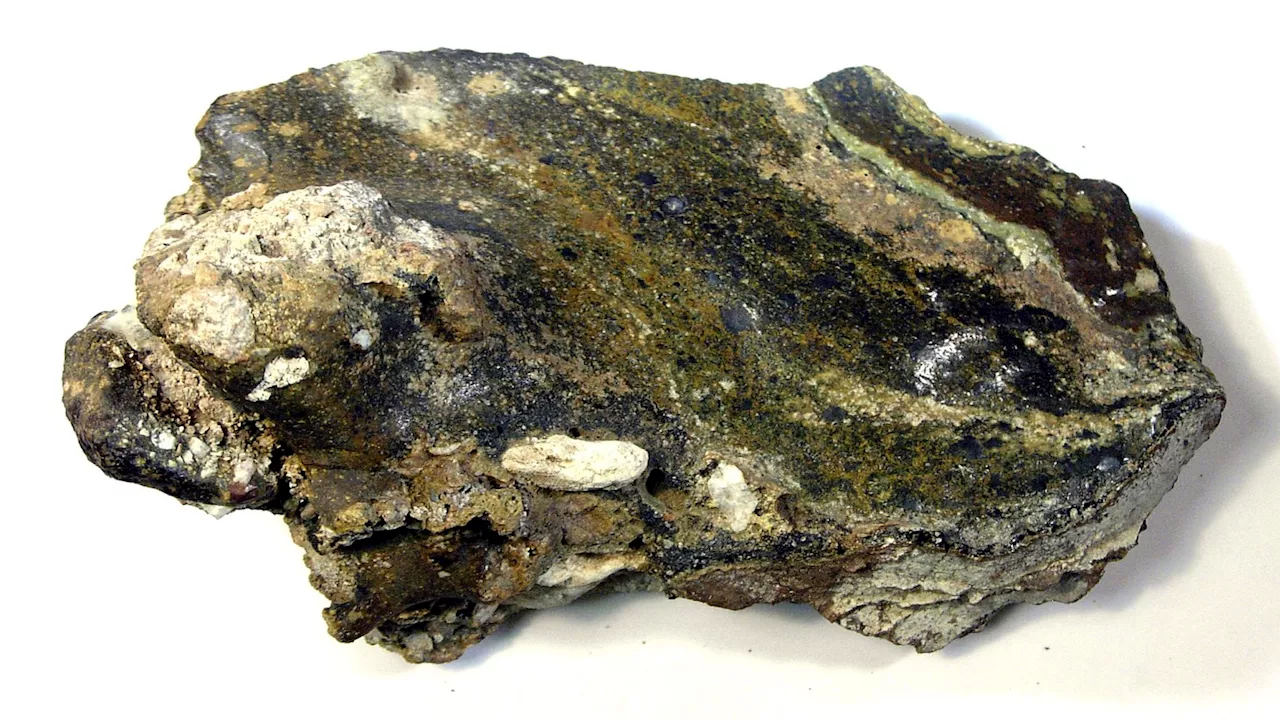
A team of researchers from the Massachusetts Institute of Technology (MIT) has made significant strides in understanding early metallurgy practices by utilizing advanced CT scanning techniques on ancient slag samples. This innovative approach has shed light on the methods used by some of the earliest civilizations to work with metals, specifically copper, around 5,000 years ago.
The study focused on slag sourced from the ancient site of Tepe Hissar in Iran, a region historically recognized as one of the earliest centers for copper processing. The slag, dated between 3100 and 2900 BCE, was previously analyzed but lacked detailed insights into its production methods. By employing an industrial CT scanner, the researchers aimed to enhance traditional archaeological techniques, providing a clearer picture of ancient metalworking processes.
Revolutionizing Archaeometallurgy
CT scanning allowed the researchers to visualize the internal structure of the slag, including the location of pores and chemical traces that are often challenging to interpret through conventional methods. As explained by MIT researchers, “Slag waste is chemically complex to interpret because it contains everything not desired in the final product.” The use of CT scans has not only improved understanding of the physical characteristics of the slag but has also sparked discussions regarding the role of arsenic and other elements in ancient metal production.
Before this study, the potential of CT scanning in archaeology had not been fully realized, particularly in the context of ancient metallurgy. The researchers combined CT scanning with traditional techniques such as X-ray fluorescence, X-ray diffraction, and scanning electron microscopy to triangulate their findings. This multi-faceted approach revealed new insights into how metals were processed thousands of years ago, challenging and enriching existing narratives in archaeometallurgy.
Implications for Future Research
The findings from this study could serve as a catalyst for further exploration into the complexities of ancient metalworking. As the researchers noted, “Moving forward, CT scanning could be a powerful tool in archaeology to unravel complex ancient materials and processes.” This breakthrough not only enhances our understanding of early metallurgical techniques but also emphasizes the importance of arsenic in the smelting process.
The implications of this research extend beyond academic curiosity. Understanding ancient metalworking practices can inform modern metallurgy and materials science, providing insights into the durability and properties of ancient artifacts. As MIT researchers summed up, the study opens new avenues for systematic investigations into the production methods of early civilizations, reinforcing the role of CT scanning as a vital tool in the arsenal of archaeologists.
This groundbreaking work contributes to a broader understanding of how early societies utilized available resources to innovate and create, setting the stage for the technological advancements that followed. As researchers continue to explore the intersection of technology and archaeology, the legacy of ancient metallurgy will undoubtedly be enriched by these modern techniques.

Japan’s PM Takaichi Vows to Prioritize Fiscal Management NOW

Long Island Faces Disruptive Winter Weather Tuesday Morning

Urgent: 18-Year-Old Killed in Triple Shooting in Bronzeville

Shark Teeth Reveal Urgent Insights to Prevent Extinction

Englewood Church Members Reunite After Thanksgiving Fire

Mayor Names Alan Wong as District 4 Supervisor Amid Controversy

Study Reveals Nitrous Oxide’s Potential in Treating Depression

Walmart Launches Massive Cyber Monday Sales Starting at $5

Rep. Don Bacon Criticizes White House for Lack of Clarity on Ukraine

University of Hawaiʻi Joins $25.6M AI Project to Monitor Disasters

Foreign Inflows into Japan Stocks Surge to ¥1.34 Trillion

BOYNEXTDOOR’s Jaehyun Faces Backlash Amid BTS-TWICE Controversy

Carson Wentz Out for Season After Shoulder Surgery: Urgent Update

Marc Buoniconti’s Legacy: 40 Years Later, Lives Transformed

Innovative Surgery Restores Confidence for Breast Cancer Patients

Kelsea Ballerini Launches ‘Burn the Baggage’ Candle with Ranger Station

Steve Kerr Supports Jonathan Kuminga After Ejection in Preseason Game

Chicago’s Viral ‘Rat Hole’ Likely Created by Squirrel, Study Reveals
-
Science4 weeks ago
University of Hawaiʻi Joins $25.6M AI Project to Monitor Disasters
-
Business1 month ago
Foreign Inflows into Japan Stocks Surge to ¥1.34 Trillion
-
 Top Stories1 month ago
BOYNEXTDOOR’s Jaehyun Faces Backlash Amid BTS-TWICE Controversy
-
 Top Stories1 month ago
Carson Wentz Out for Season After Shoulder Surgery: Urgent Update
-
 Top Stories1 month ago
Marc Buoniconti’s Legacy: 40 Years Later, Lives Transformed
-
 Health1 month ago
Innovative Surgery Restores Confidence for Breast Cancer Patients
-
 Lifestyle2 months ago
Kelsea Ballerini Launches ‘Burn the Baggage’ Candle with Ranger Station
-
 Sports2 months ago
Steve Kerr Supports Jonathan Kuminga After Ejection in Preseason Game
-
 Science2 months ago
Chicago’s Viral ‘Rat Hole’ Likely Created by Squirrel, Study Reveals
-

 Lifestyle2 months ago
Dua Lipa Celebrates Passing GCSE Spanish During World Tour
-

 Entertainment2 months ago
Zoe Saldana Advocates for James Cameron’s Avatar Documentary
-

 Politics2 months ago
Dallin H. Oaks Assumes Leadership of Latter-day Saints Church