
Politics
Trump’s Shift on Epstein Files Sparks Congressional Controversy

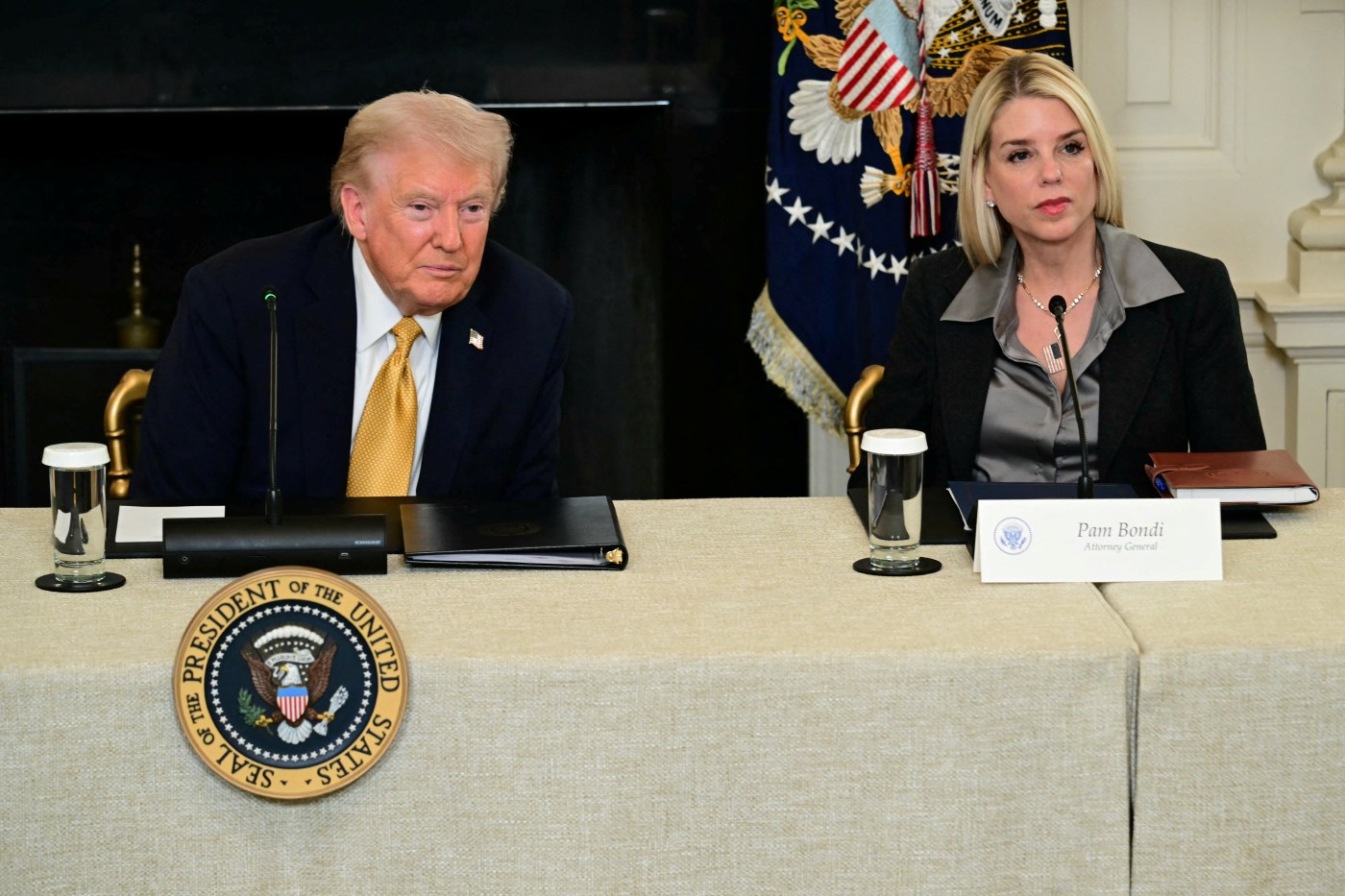
President Donald Trump’s recent decision to support the release of the Epstein files has triggered a rapid response from Congress, resulting in a near-unanimous vote to make the documents public. This dramatic pivot follows months of Republican lawmakers largely favoring the files’ confidentiality. The swift legislative action raises questions about the integrity and independence of the political process.
The Founding Fathers established three branches of government—executive, legislative, and judicial—intended to operate independently. However, the recent actions of the House of Representatives and the Senate suggest a troubling departure from this ideal. Once Trump indicated his support for the files’ release, Republican lawmakers promptly aligned with his stance, effectively relinquishing their autonomy. This behavior reflects a concerning trend where party loyalty supersedes constitutional principles.
The implications of this episode extend beyond mere political maneuvering. Critics argue that it signifies a weakening of democratic norms and principles. The Founders envisioned a system with checks and balances, but the Republican caucus’s response reveals a concerning fragility in these structures, as they appeared to act more like followers of a political leader than as independent legislators.
Among the public reactions, Peter Janoff from Stamford observed that the integrity of the legislative process seems compromised, suggesting that the decision to release the documents may have been influenced by the need to sanitize any damaging information about Trump. Other voices echoed similar concerns, emphasizing the ethical implications of the situation.
In a more pointed critique, Mary Elizabeth Ellis from Briarwood noted that in the United States, the defense of “I was just obeying orders” has never been accepted. This sentiment underscores the expectation of personal accountability among leaders in governance.
On a broader scale, the ongoing discourse highlights a disconnect within the political landscape. For instance, Rose Mary Lancaster from Linden, N.J., criticized the power dynamics, suggesting that the current leadership fails to address the needs of citizens effectively. She called for accountability and a reevaluation of priorities among elected officials.
The conversation surrounding the Epstein files is not just about legal documents; it reflects deeper societal issues. The historical Cotton Club property, now for sale, symbolizes the potential for cultural reinvestment in Harlem. As stakeholders consider its future, the narrative of accountability and community engagement continues to resonate.
Amidst these discussions, the role of newly elected officials such as Zohran Mamdani comes into focus. Some have urged Mamdani to challenge the status quo, advocating for a more active role in police reform and community relations. This highlights a broader call for responsiveness to public sentiment and the need for a shift in political attitudes.
As the situation unfolds, the public remains watchful of how these developments will impact governance and the balance of power. The ongoing dialogue reflects a community grappling with issues of transparency, accountability, and the preservation of democratic values, all of which will shape the political landscape in the months to come.

Japan’s PM Takaichi Vows to Prioritize Fiscal Management NOW

Long Island Faces Disruptive Winter Weather Tuesday Morning

Urgent: 18-Year-Old Killed in Triple Shooting in Bronzeville

Shark Teeth Reveal Urgent Insights to Prevent Extinction

Englewood Church Members Reunite After Thanksgiving Fire

Mayor Names Alan Wong as District 4 Supervisor Amid Controversy

Study Reveals Nitrous Oxide’s Potential in Treating Depression

Walmart Launches Massive Cyber Monday Sales Starting at $5

Rep. Don Bacon Criticizes White House for Lack of Clarity on Ukraine

University of Hawaiʻi Joins $25.6M AI Project to Monitor Disasters

Foreign Inflows into Japan Stocks Surge to ¥1.34 Trillion

BOYNEXTDOOR’s Jaehyun Faces Backlash Amid BTS-TWICE Controversy

Carson Wentz Out for Season After Shoulder Surgery: Urgent Update

Marc Buoniconti’s Legacy: 40 Years Later, Lives Transformed

Innovative Surgery Restores Confidence for Breast Cancer Patients

Steve Kerr Supports Jonathan Kuminga After Ejection in Preseason Game

Kelsea Ballerini Launches ‘Burn the Baggage’ Candle with Ranger Station

Chicago’s Viral ‘Rat Hole’ Likely Created by Squirrel, Study Reveals
-
Science4 weeks ago
University of Hawaiʻi Joins $25.6M AI Project to Monitor Disasters
-
Business1 month ago
Foreign Inflows into Japan Stocks Surge to ¥1.34 Trillion
-
 Top Stories1 month ago
BOYNEXTDOOR’s Jaehyun Faces Backlash Amid BTS-TWICE Controversy
-
 Top Stories1 month ago
Carson Wentz Out for Season After Shoulder Surgery: Urgent Update
-
 Top Stories1 month ago
Marc Buoniconti’s Legacy: 40 Years Later, Lives Transformed
-
 Health1 month ago
Innovative Surgery Restores Confidence for Breast Cancer Patients
-
 Sports2 months ago
Steve Kerr Supports Jonathan Kuminga After Ejection in Preseason Game
-
 Lifestyle2 months ago
Kelsea Ballerini Launches ‘Burn the Baggage’ Candle with Ranger Station
-
 Science2 months ago
Chicago’s Viral ‘Rat Hole’ Likely Created by Squirrel, Study Reveals
-

 Entertainment2 months ago
Zoe Saldana Advocates for James Cameron’s Avatar Documentary
-

 Lifestyle2 months ago
Dua Lipa Celebrates Passing GCSE Spanish During World Tour
-

 Business2 months ago
Tyler Technologies Set to Reveal Q3 2025 Earnings on October 22