
Science
Europe Takes Action Against Hidden Soil Pollution Crisis


Efforts to combat invisible soil pollution are gaining momentum across Europe, with scientists and communities uncovering a troubling legacy of environmental contamination. Recent initiatives, particularly in Denmark and other European nations, are revealing the extent of pollution caused by per- and polyfluoroalkyl substances, commonly known as PFAS. This crisis is prompting governments and organizations to act decisively to protect public health and the environment.
In Denmark, government officials declared the country’s first PFAS crisis in early March 2024. This announcement highlighted the presence of these harmful chemicals in soil and groundwater, igniting widespread concern among residents. The Danish Environmental Protection Agency (EPA) reported that PFAS contamination has been detected in agricultural areas, raising alarms about food safety and long-term health risks.
The situation in Denmark is not an isolated incident. Across Europe, various nations are launching soil-mapping initiatives aimed at identifying and addressing pollution. For instance, Sweden has implemented a comprehensive soil monitoring program that evaluates contamination levels in urban and rural areas. This program is part of a broader European Union (EU) strategy to tackle environmental pollutants and promote sustainable land use.
The Netherlands is also leading the way in innovative soil-mapping technologies. Researchers are using advanced satellite imagery and ground-based data to create detailed maps of contamination. These efforts are crucial for understanding the distribution of pollutants and developing effective remediation strategies. The Dutch government has committed significant funding to support these initiatives, recognizing the need for urgent action.
European collaboration is essential in addressing the challenges posed by soil pollution. Countries are sharing data and best practices to enhance their understanding of contamination sources and effects. The EU is facilitating this cooperation through various programs and funding opportunities aimed at environmental protection. By working together, member states hope to create a unified approach to tackling soil pollution.
Public awareness is also rising, with citizens becoming increasingly engaged in environmental issues. Grassroots organizations are pushing for stronger regulations and more transparency regarding soil contamination. In the UK, local communities have begun advocating for detailed soil assessments in their neighborhoods, demanding accountability from both government and industry. This collective action reflects a growing recognition of the importance of clean soil for health and well-being.
The impact of soil pollution extends beyond environmental concerns; it poses significant health risks as well. Studies have linked PFAS exposure to various health issues, including cancer, liver damage, and immune system suppression. As more research emerges, the urgency to address soil contamination becomes increasingly clear. Governments are now faced with the challenge of balancing economic development with environmental stewardship.
In light of these developments, European policymakers are urged to adopt stringent regulations on the use of PFAS and other hazardous substances. By implementing stricter guidelines, governments can mitigate the risks associated with soil contamination and protect future generations. The need for action is not only a matter of environmental responsibility but also a public health imperative.
As Europe confronts the hidden crisis of soil pollution, the commitment of scientists, governments, and citizens will be vital in shaping a sustainable future. By investing in research, technology, and community advocacy, the continent can begin to reverse the damage caused by decades of neglect. The fight against invisible pollution is far from over, but with concerted efforts, Europe is learning to see—and combat—the contamination it once overlooked.

Shark Teeth Reveal Urgent Insights to Prevent Extinction

Englewood Church Members Reunite After Thanksgiving Fire

Mayor Names Alan Wong as District 4 Supervisor Amid Controversy

Study Reveals Nitrous Oxide’s Potential in Treating Depression

Walmart Launches Massive Cyber Monday Sales Starting at $5

Rep. Don Bacon Criticizes White House for Lack of Clarity on Ukraine

UK Report Reveals Rise of AI in University Research Evaluation

Florida Hires Jon Sumrall as Head Coach: Implications for FSU Football

Trump Promises to Release MRI Results from October Scan

University of Hawaiʻi Joins $25.6M AI Project to Monitor Disasters

Foreign Inflows into Japan Stocks Surge to ¥1.34 Trillion

BOYNEXTDOOR’s Jaehyun Faces Backlash Amid BTS-TWICE Controversy

Carson Wentz Out for Season After Shoulder Surgery: Urgent Update

Marc Buoniconti’s Legacy: 40 Years Later, Lives Transformed

Innovative Surgery Restores Confidence for Breast Cancer Patients

Steve Kerr Supports Jonathan Kuminga After Ejection in Preseason Game

Kelsea Ballerini Launches ‘Burn the Baggage’ Candle with Ranger Station

Chicago’s Viral ‘Rat Hole’ Likely Created by Squirrel, Study Reveals
-
Science4 weeks ago
University of Hawaiʻi Joins $25.6M AI Project to Monitor Disasters
-
Business1 month ago
Foreign Inflows into Japan Stocks Surge to ¥1.34 Trillion
-
 Top Stories1 month ago
BOYNEXTDOOR’s Jaehyun Faces Backlash Amid BTS-TWICE Controversy
-
 Top Stories1 month ago
Carson Wentz Out for Season After Shoulder Surgery: Urgent Update
-
 Top Stories1 month ago
Marc Buoniconti’s Legacy: 40 Years Later, Lives Transformed
-
 Health1 month ago
Innovative Surgery Restores Confidence for Breast Cancer Patients
-
 Sports2 months ago
Steve Kerr Supports Jonathan Kuminga After Ejection in Preseason Game
-
 Lifestyle2 months ago
Kelsea Ballerini Launches ‘Burn the Baggage’ Candle with Ranger Station
-
 Science2 months ago
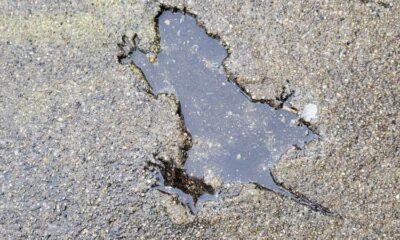
Chicago’s Viral ‘Rat Hole’ Likely Created by Squirrel, Study Reveals
-

 Lifestyle2 months ago
Dua Lipa Celebrates Passing GCSE Spanish During World Tour
-

 Entertainment2 months ago
Zoe Saldana Advocates for James Cameron’s Avatar Documentary
-

 Politics2 months ago
Dallin H. Oaks Assumes Leadership of Latter-day Saints Church