
Top Stories
Trump’s Religious Liberty Commission Launches Amid Controversy

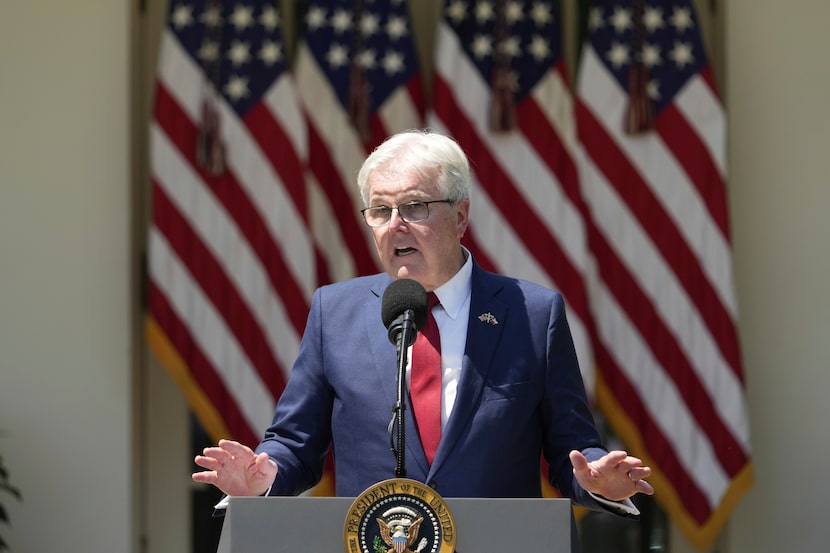
UPDATE: The newly formed Religious Liberty Commission, led by Texas Lt. Gov. Dan Patrick, is making headlines as it ramps up efforts to address religious freedom in the United States. Officially announced on May 1, 2025, the commission has quickly sparked controversy and debate over its composition and mission.
While in New York shortly after the November 2024 elections, Patrick received an unexpected call from President-elect Donald J. Trump. During their conversation, Trump revealed his plans to form a commission of faith leaders to tackle the growing concerns of religious oppression. Patrick seized the moment, proposing a formal body to explore and recommend policies protecting religious liberties, especially for Christians who feel marginalized.
The commission, comprised of 17 members primarily from Texas, aims to make actionable recommendations leading up to the nation’s 250th anniversary. Their goal is to equip Trump with the necessary guidance to implement executive orders or push for legislative changes. The panel has already planned its fourth public hearing, originally set for November 17 in Dallas, which has been delayed due to the ongoing government shutdown.
The commission’s objectives are ambitious. They seek to address pressing issues such as the rights of individuals to pray in schools, display religious symbols, and participate in public displays of faith. Patrick emphasizes the importance of educating the public about these rights and dispelling misconceptions surrounding religious expression in various settings.
The upcoming hearing will focus on testimonies highlighting religious oppression, particularly within local governments and military contexts. The exact date and location remain undisclosed, but officials have confirmed that this will be the first meeting held outside the Museum of the Bible in Washington, D.C.
In addition to the commission, Trump has established three advisory boards including prominent religious figures such as Pastor Jack Graham and Alveda King. Critics, however, are raising alarms over the commission’s heavy evangelical Christian influence, arguing it lacks adequate representation for non-Christian faiths, particularly Islam.
The commission’s formation aligns with Texas’s historical role as a stronghold for conservative religious values. Texas is noted for its influence in national politics, often pushing legislative measures that reflect conservative Christian ideologies, such as recent laws mandating the display of the Ten Commandments in public schools.
Critics from organizations like Americans United for the Separation of Church and State have condemned the commission as an attempt to promote Christian nationalism. They argue that it prioritizes a specific religious ideology over the rights of the non-religious and minority faiths.
“This commission is being set up to make concrete recommendations about policy that they will clearly follow in this pattern of a transactional relationship with Christian nationalist leaders,”
said Rachel Laser, president of Americans United.
Despite the pushback, Patrick defends the commission’s mission, stating that it is designed to protect the rights of all faiths. He insists that the selection of commission members reflects America’s religious demographics, noting that 62% of U.S. adults identify as Christians.
The commission’s hearings have already highlighted troubling stories of religious discrimination, particularly against students and parents navigating complex educational policies surrounding faith and expression. Patrick’s commitment to ensuring that “no place in our nation has to fear the free expression of their faith” resonates strongly with many supporters.
As the commission gears up for its next steps, the impact of its findings and recommendations will be closely monitored. The upcoming hearings promise to shine a light on the ongoing conversation surrounding religious liberty in America, making it a critical topic for both supporters and critics alike.
The future of the Religious Liberty Commission remains uncertain, but its role in shaping national policy on faith and freedom is poised to be significant. As Texas continues to lead this charge, the implications for religious expression across the country are profound and far-reaching.
Stay tuned for updates as this developing story unfolds and the commission’s activities gain traction in the public eye.

Shark Teeth Reveal Urgent Insights to Prevent Extinction

Englewood Church Members Reunite After Thanksgiving Fire

Mayor Names Alan Wong as District 4 Supervisor Amid Controversy

Study Reveals Nitrous Oxide’s Potential in Treating Depression

Walmart Launches Massive Cyber Monday Sales Starting at $5

Rep. Don Bacon Criticizes White House for Lack of Clarity on Ukraine

UK Report Reveals Rise of AI in University Research Evaluation

Florida Hires Jon Sumrall as Head Coach: Implications for FSU Football

Trump Promises to Release MRI Results from October Scan

University of Hawaiʻi Joins $25.6M AI Project to Monitor Disasters

Foreign Inflows into Japan Stocks Surge to ¥1.34 Trillion

BOYNEXTDOOR’s Jaehyun Faces Backlash Amid BTS-TWICE Controversy

Carson Wentz Out for Season After Shoulder Surgery: Urgent Update

Marc Buoniconti’s Legacy: 40 Years Later, Lives Transformed

Innovative Surgery Restores Confidence for Breast Cancer Patients

Steve Kerr Supports Jonathan Kuminga After Ejection in Preseason Game

Kelsea Ballerini Launches ‘Burn the Baggage’ Candle with Ranger Station

Chicago’s Viral ‘Rat Hole’ Likely Created by Squirrel, Study Reveals
-
Science4 weeks ago
University of Hawaiʻi Joins $25.6M AI Project to Monitor Disasters
-
Business1 month ago
Foreign Inflows into Japan Stocks Surge to ¥1.34 Trillion
-
 Top Stories1 month ago
BOYNEXTDOOR’s Jaehyun Faces Backlash Amid BTS-TWICE Controversy
-
 Top Stories1 month ago
Carson Wentz Out for Season After Shoulder Surgery: Urgent Update
-
 Top Stories1 month ago
Marc Buoniconti’s Legacy: 40 Years Later, Lives Transformed
-
 Health1 month ago
Innovative Surgery Restores Confidence for Breast Cancer Patients
-
 Sports2 months ago
Steve Kerr Supports Jonathan Kuminga After Ejection in Preseason Game
-
 Lifestyle2 months ago
Kelsea Ballerini Launches ‘Burn the Baggage’ Candle with Ranger Station
-
 Science2 months ago
Chicago’s Viral ‘Rat Hole’ Likely Created by Squirrel, Study Reveals
-

 Entertainment2 months ago
Zoe Saldana Advocates for James Cameron’s Avatar Documentary
-
 Lifestyle2 months ago
Dua Lipa Celebrates Passing GCSE Spanish During World Tour
-

 Business2 months ago
Tyler Technologies Set to Reveal Q3 2025 Earnings on October 22