
World
Activists Disrupt Service at Churches Supporting ICE in Minnesota

Protests erupted at Cities Church in St. Paul, Minnesota, on January 18, 2024, as anti-racism activists interrupted a service to denounce the church’s connection to the U.S. Immigration and Customs Enforcement (ICE). This demonstration was in response to a series of violent incidents involving ICE, including the recent death of Renee Nicole Good, who was reportedly shot by an ICE agent. The protesters aimed to highlight what they described as the church’s complicity in systemic violence against marginalized communities.
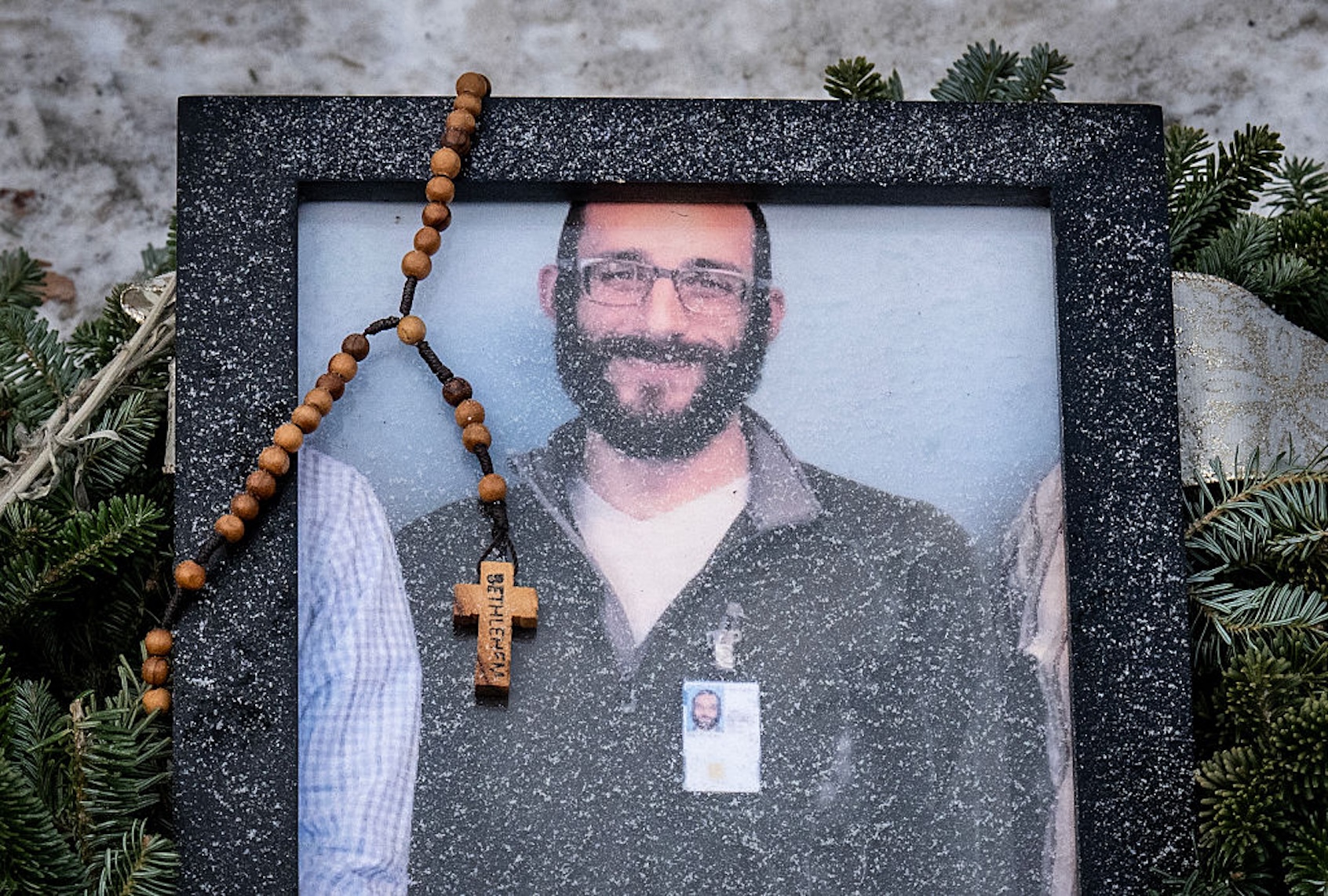
The protest came just days after another tragic occurrence. On January 16, Alex Jeffrey Pretti, a 37-year-old nurse, was seen attempting to assist a woman when Border Patrol agents pepper-sprayed him and subsequently shot him in the head. These incidents have raised serious concerns about the actions of ICE and its impact on local families in Minnesota.
Activists targeted the church as one of its pastors, David Easterwood, serves as a field director for ICE, which has been accused of operating with excessive force. The disruption was meant to draw attention to the church’s support of policies perceived as harmful to immigrant communities. During the protest, demonstrators condemned ICE’s raids and the agency’s conduct, which has included entering homes without warrants and using violence against non-white individuals.
In response to the protest, Attorney Pam Bondi defended the arrests of three non-violent demonstrators, claiming they interrupted religious practice. Kristi Noem, Secretary of Homeland Security, described the event as “Church Riots,” asserting that the activists obstructed worship. Critics of this characterization argue that the assertion of persecution is misleading, as the protesters emphasized moral accountability rather than religious intolerance.
Jonathan Parnell, the pastor leading the service on that day, claimed that congregants were frightened and intimidated by the demonstrators. Observers of the protest contend that the scene was peaceful and marked by calls for justice rather than aggression. Many believe the church’s leadership is mischaracterizing the protest to deflect from the critical issues at hand.
Cities Church is part of a broader network of conservative congregations that have faced scrutiny for their positions on gender roles and race. Former fundamentalist and worship music expert Rick Pidcock described the church as promoting extreme views on male authority and female submission. This doctrine has reportedly pressured female parishioners to remain in harmful relationships, raising ethical questions about the church’s influence on its followers.
Among the church’s pastors is Joe Rigney, who has gained notoriety for controversial views on empathy, which he has labeled as a moral failing. Rigney’s rhetoric, alongside connections to other far-right figures, underscores the church’s alignment with ideologies that many activists find troubling.
Former Christian nationalist Tim Whitaker expressed that the church’s teachings and actions have real-world consequences, noting that its leadership is involved with government agencies that have been accused of committing violent acts against immigrants. He argues that the disruption of the service was justified, asserting that Jesus would have supported the protesters’ cause.
The protesters included individuals with religious backgrounds, such as Nekima Levy Armstrong, an attorney and civil rights activist. She questioned how one can uphold the teachings of Jesus Christ while supporting practices that terrorize communities. Her participation in the protest highlights a critical intersection of faith and social justice.
The reactions from the church’s supporters reflect a broader narrative within certain Christian circles that equate criticism of their actions with religious persecution. This has led to a misunderstanding of the principles of religious freedom, which encompasses both the right to worship and the right to challenge harmful doctrines.
As the discourse around the role of faith in public life continues, the incident at Cities Church serves as a reminder of the ongoing tensions between religious beliefs and social justice activism. Activists argue that addressing the moral implications of church teachings is essential, especially when those teachings affect the lives of vulnerable populations. The events in Minnesota illustrate the complexities of navigating faith and ethics in a polarized environment, where the call for accountability is often met with resistance from those in positions of power.

Shark Bites Surge Linked to Climate Change and Ecosystem Shifts

NASCAR Clash Delayed Due to Snow, Rescheduled for Monday

Boeing and Lockheed Martin Battle for Fighter Jet Dominance

Golden Link Chapter No. 204 Honors Kijahfha Mahoney with Service Award

Gigachad Price Falls to $0.0025 Amid Market Fluctuations

Exploring Bortus: The Complex Alien of ‘The Orville’

Harry Potter Quiz Links Personality Traits to Entrepreneurship

Colorado Voters React to Trump’s Immigration Actions Amid Midterms

Donaldson Capital Management Boosts Stake in UnitedHealth Group

University of Hawaiʻi Joins $25.6M AI Project to Monitor Disasters

Foreign Inflows into Japan Stocks Surge to ¥1.34 Trillion

Hudson Williams Gains Popularity as Breakout Star on Heated Rivalry

Boeing’s Merger with McDonnell Douglas: A Strategic Move Explained

$1.25M Grant Advances Hawaiʻi’s Real-Time Hazard Monitoring

Sydney Sweeney Embraces Body Positivity Amid Hollywood Challenges

BOYNEXTDOOR’s Jaehyun Faces Backlash Amid BTS-TWICE Controversy

French Film Explores Group Therapy in ‘Group – The Schopenhauer Project’

Urgent Farewell: Joleen Chaney Leaves Legacy at KFOR
-
Science3 months ago
University of Hawaiʻi Joins $25.6M AI Project to Monitor Disasters
-
Business3 months ago
Foreign Inflows into Japan Stocks Surge to ¥1.34 Trillion
-
 Entertainment2 months ago
Hudson Williams Gains Popularity as Breakout Star on Heated Rivalry
-
 World3 months ago
Boeing’s Merger with McDonnell Douglas: A Strategic Move Explained
-
 Science2 months ago
$1.25M Grant Advances Hawaiʻi’s Real-Time Hazard Monitoring
-
 Entertainment3 months ago
Sydney Sweeney Embraces Body Positivity Amid Hollywood Challenges
-
 Top Stories3 months ago
BOYNEXTDOOR’s Jaehyun Faces Backlash Amid BTS-TWICE Controversy
-
 World3 months ago
French Film Explores Group Therapy in ‘Group – The Schopenhauer Project’
-
 Top Stories3 months ago
Urgent Farewell: Joleen Chaney Leaves Legacy at KFOR
-

 Top Stories3 months ago
Marc Buoniconti’s Legacy: 40 Years Later, Lives Transformed
-

 Lifestyle4 months ago
Kelsea Ballerini Launches ‘Burn the Baggage’ Candle with Ranger Station
-

 Top Stories3 months ago
Carson Wentz Out for Season After Shoulder Surgery: Urgent Update