
World
UK Government Advances AI Initiatives Using National Data

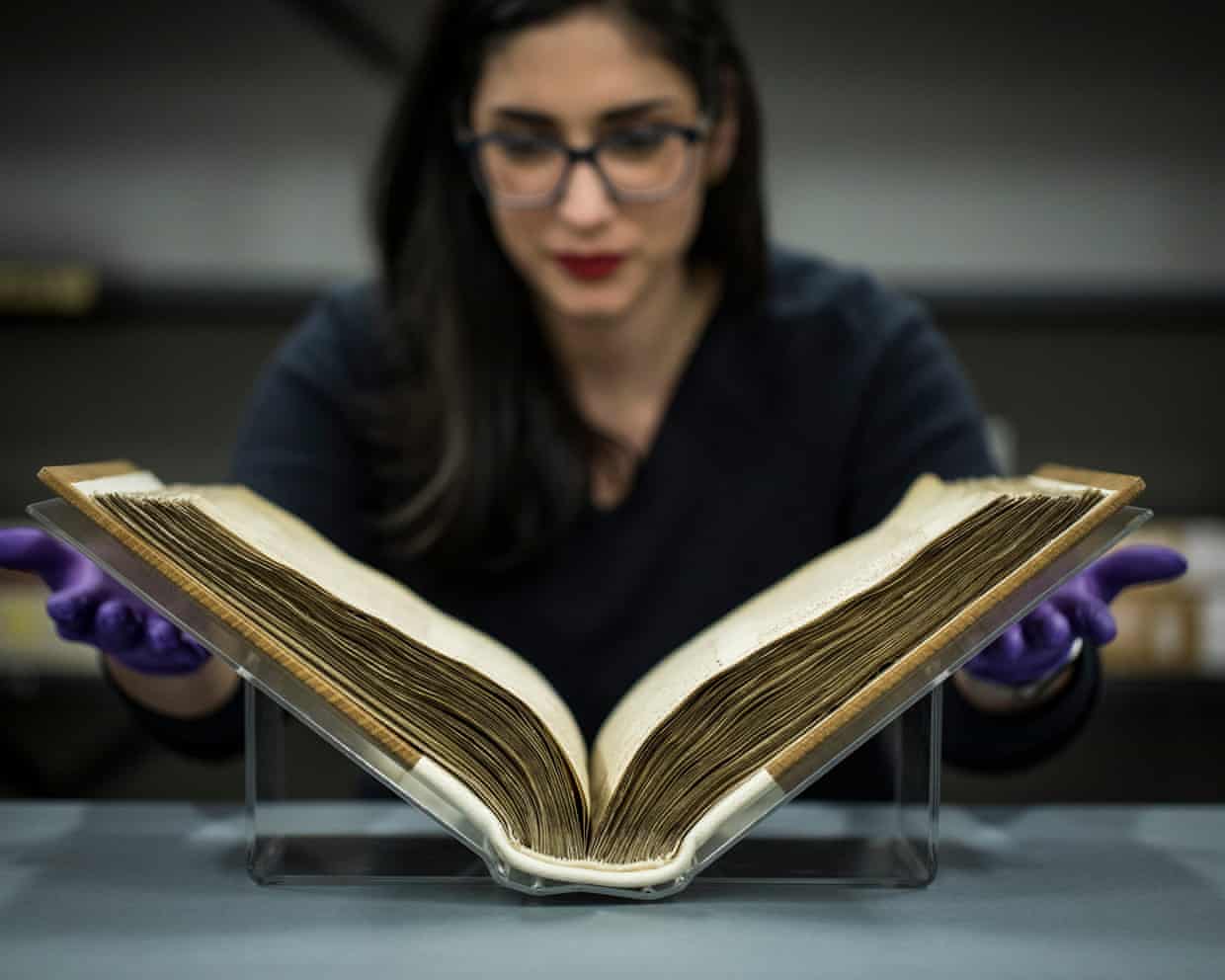
The UK government is moving forward with plans to utilize data from the Met Office and the National Archives for artificial intelligence (AI) applications. This initiative aims to enhance the capabilities of AI tools by incorporating nationally owned resources. Funding will be allocated to researchers to determine how data from the Met Office can assist local agencies and councils, such as predicting the optimal times for purchasing road grit. Additionally, there will be an exploration into whether legal documents from the National Archives can provide valuable support to small and medium-sized businesses navigating legal challenges.
The government is also set to license content from various national institutions, including the National History Museum and the National Library of Scotland, to foster AI development. Ian Murray, the Minister for Digital Government and Data, emphasized the importance of this initiative, stating that it represents a smart utilization of public sector resources. He explained, “Whether you’re a cafe owner trying to understand employment law or a shopkeeper navigating health and safety requirements, time spent wrestling with legal jargon is time spent away from customers.”
The underlying framework for these advancements is the government’s AI action plan, which aims to create a national data library to provide state-controlled data to researchers and businesses. This initiative was launched last year and has garnered interest from various sectors, including healthcare. Keir Starmer indicated that the extensive health data held by the NHS could be included in this library, though the government has stressed the importance of addressing privacy, ethics, and data protection in the process.
Another significant component of the action plan is the establishment of a cultural data library, which aims to generate revenue from “copyright-cleared” data. This library could encompass data from prominent institutions such as the BBC and the British Library. On Monday, the government plans to announce further details regarding the data that will be made available through its “creative content exchange.”
The exchange, introduced in June, is designed to facilitate the buying, selling, licensing, and access to digitized cultural and creative assets. A pilot scheme will investigate how data from institutions including the Imperial War Museums, Royal Botanic Gardens, Kew, Science Museum Group, and Victoria and Albert Museum can be utilized by consumers, technology firms, and AI developers. This initiative aims to respect the rights of creators and copyright holders while enhancing access to valuable resources.
The government is committed to advancing these plans while navigating the ongoing discussions around copyright laws that affect the creative industries. Critics have raised concerns about potential changes that would allow AI companies to use copyrighted works without first obtaining permission from artists, unless they choose to opt out. In response, Liz Kendall, the technology secretary, announced a review intended to reassess these proposals, with an official report expected to be published in March.
As the UK government seeks to harness the power of national data for AI development, the implications for small businesses and the creative sector are significant. By making authoritative legal and cultural data more accessible, the government aims to empower businesses, streamline operations, and encourage innovation across various industries.

Shark Bites Surge Linked to Climate Change and Ecosystem Shifts

NASCAR Clash Delayed Due to Snow, Rescheduled for Monday

Boeing and Lockheed Martin Battle for Fighter Jet Dominance

Golden Link Chapter No. 204 Honors Kijahfha Mahoney with Service Award

Gigachad Price Falls to $0.0025 Amid Market Fluctuations

Exploring Bortus: The Complex Alien of ‘The Orville’

Harry Potter Quiz Links Personality Traits to Entrepreneurship

Colorado Voters React to Trump’s Immigration Actions Amid Midterms

Donaldson Capital Management Boosts Stake in UnitedHealth Group

University of Hawaiʻi Joins $25.6M AI Project to Monitor Disasters

Foreign Inflows into Japan Stocks Surge to ¥1.34 Trillion

Hudson Williams Gains Popularity as Breakout Star on Heated Rivalry

Boeing’s Merger with McDonnell Douglas: A Strategic Move Explained

$1.25M Grant Advances Hawaiʻi’s Real-Time Hazard Monitoring

Sydney Sweeney Embraces Body Positivity Amid Hollywood Challenges

BOYNEXTDOOR’s Jaehyun Faces Backlash Amid BTS-TWICE Controversy

French Film Explores Group Therapy in ‘Group – The Schopenhauer Project’

Urgent Farewell: Joleen Chaney Leaves Legacy at KFOR
-
Science3 months ago
University of Hawaiʻi Joins $25.6M AI Project to Monitor Disasters
-
Business3 months ago
Foreign Inflows into Japan Stocks Surge to ¥1.34 Trillion
-
 Entertainment2 months ago
Hudson Williams Gains Popularity as Breakout Star on Heated Rivalry
-
 World3 months ago
Boeing’s Merger with McDonnell Douglas: A Strategic Move Explained
-
 Science2 months ago
$1.25M Grant Advances Hawaiʻi’s Real-Time Hazard Monitoring
-
 Entertainment3 months ago
Sydney Sweeney Embraces Body Positivity Amid Hollywood Challenges
-
 Top Stories3 months ago
BOYNEXTDOOR’s Jaehyun Faces Backlash Amid BTS-TWICE Controversy
-
 World3 months ago
French Film Explores Group Therapy in ‘Group – The Schopenhauer Project’
-
 Top Stories3 months ago
Urgent Farewell: Joleen Chaney Leaves Legacy at KFOR
-

 Top Stories3 months ago
Marc Buoniconti’s Legacy: 40 Years Later, Lives Transformed
-

 Lifestyle4 months ago
Kelsea Ballerini Launches ‘Burn the Baggage’ Candle with Ranger Station
-

 Top Stories3 months ago
Carson Wentz Out for Season After Shoulder Surgery: Urgent Update