
Science
Discover Tonight’s Waning Crescent Moon Phase on January 17

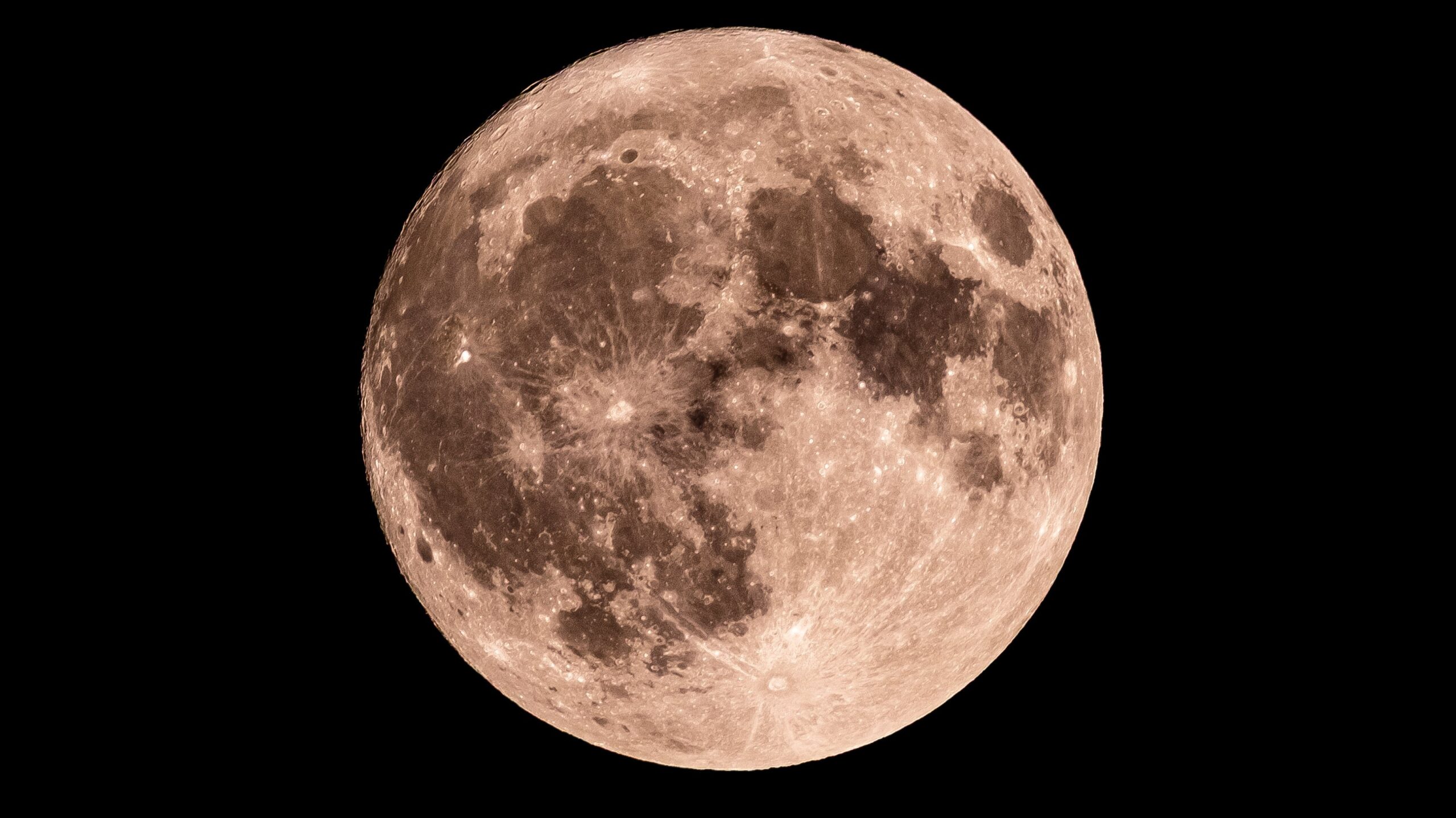
Tonight, January 17, the Moon will be in its Waning Crescent phase, showcasing a mere 2% of its surface illuminated. As we approach the New Moon, the celestial body will appear almost completely dark, making it challenging for stargazers to spot any light. This phase is a precursor to the New Moon, which occurs when the Moon is positioned between Earth and the Sun.
According to NASA’s Daily Moon Guide, the visibility of the Moon tonight is extremely low. The New Moon, characterized by the absence of visible light from the Moon, will take place in just a few days. Stargazers can expect the next Full Moon on February 1, following the last Full Moon that occurred on January 3.
Understanding Moon Phases
The Moon’s phases form part of the lunar cycle, which lasts approximately 29.5 days. This cycle represents the time it takes for the Moon to complete one full orbit around Earth. As it travels, it transitions through eight distinct phases, each influenced by its position relative to Earth and the Sun.
The eight phases of the lunar cycle include:
– **New Moon:** The Moon is positioned between Earth and the Sun, rendering it invisible to observers on Earth.
– **Waxing Crescent:** A small sliver of light appears on the right side of the Moon.
– **First Quarter:** Half of the Moon is illuminated on the right side, resembling a half-Moon.
– **Waxing Gibbous:** More than half of the Moon is lit but it is not yet full.
– **Full Moon:** The entire face of the Moon is illuminated and fully visible.
– **Waning Gibbous:** The Moon begins to lose light on the right side.
– **Third Quarter (or Last Quarter):** The left side of the Moon is illuminated, resembling another half-Moon.
– **Waning Crescent:** A thin sliver of light remains on the left side before the Moon becomes dark again.
This cyclical pattern of illumination occurs because the same side of the Moon always faces Earth. As the Moon orbits, the amount of sunlight it reflects changes, resulting in varying appearances from the planet’s surface.
As tonight’s Waning Crescent phase draws near to the New Moon, stargazers should prepare for the upcoming celestial events in February. With the next Full Moon just weeks away, enthusiasts can look forward to a spectacular display in the night sky.

Jane Seymour Celebrates Life at 74, Claims She’s in Her Prime

Mamdani Unveils 50 New Shelter Beds as Cold Weather Claims 14 Lives

House Speaker Mike Johnson Aims for Government Shutdown Resolution by Tuesday

Lawyer Warns of Trump’s 2026 Election Threat: “Complacency is Dangerous”

Shark Bites Surge Linked to Climate Change and Ecosystem Shifts

NASCAR Clash Delayed Due to Snow, Rescheduled for Monday

Boeing and Lockheed Martin Battle for Fighter Jet Dominance

Golden Link Chapter No. 204 Honors Kijahfha Mahoney with Service Award

Gigachad Price Falls to $0.0025 Amid Market Fluctuations

University of Hawaiʻi Joins $25.6M AI Project to Monitor Disasters

Foreign Inflows into Japan Stocks Surge to ¥1.34 Trillion

Hudson Williams Gains Popularity as Breakout Star on Heated Rivalry

Boeing’s Merger with McDonnell Douglas: A Strategic Move Explained

$1.25M Grant Advances Hawaiʻi’s Real-Time Hazard Monitoring

Sydney Sweeney Embraces Body Positivity Amid Hollywood Challenges

BOYNEXTDOOR’s Jaehyun Faces Backlash Amid BTS-TWICE Controversy

French Film Explores Group Therapy in ‘Group – The Schopenhauer Project’

Urgent Farewell: Joleen Chaney Leaves Legacy at KFOR
-
Science3 months ago
University of Hawaiʻi Joins $25.6M AI Project to Monitor Disasters
-
Business3 months ago
Foreign Inflows into Japan Stocks Surge to ¥1.34 Trillion
-
 Entertainment2 months ago
Hudson Williams Gains Popularity as Breakout Star on Heated Rivalry
-
 World3 months ago
Boeing’s Merger with McDonnell Douglas: A Strategic Move Explained
-
 Science2 months ago
$1.25M Grant Advances Hawaiʻi’s Real-Time Hazard Monitoring
-
 Entertainment3 months ago
Sydney Sweeney Embraces Body Positivity Amid Hollywood Challenges
-
 Top Stories3 months ago
BOYNEXTDOOR’s Jaehyun Faces Backlash Amid BTS-TWICE Controversy
-
 World3 months ago
French Film Explores Group Therapy in ‘Group – The Schopenhauer Project’
-
 Top Stories3 months ago
Urgent Farewell: Joleen Chaney Leaves Legacy at KFOR
-

 Top Stories3 months ago
Marc Buoniconti’s Legacy: 40 Years Later, Lives Transformed
-

 Lifestyle4 months ago
Kelsea Ballerini Launches ‘Burn the Baggage’ Candle with Ranger Station
-

 Top Stories3 months ago
Carson Wentz Out for Season After Shoulder Surgery: Urgent Update