
Top Stories
Oscars to Stream on YouTube Starting 2029: Major Changes Ahead

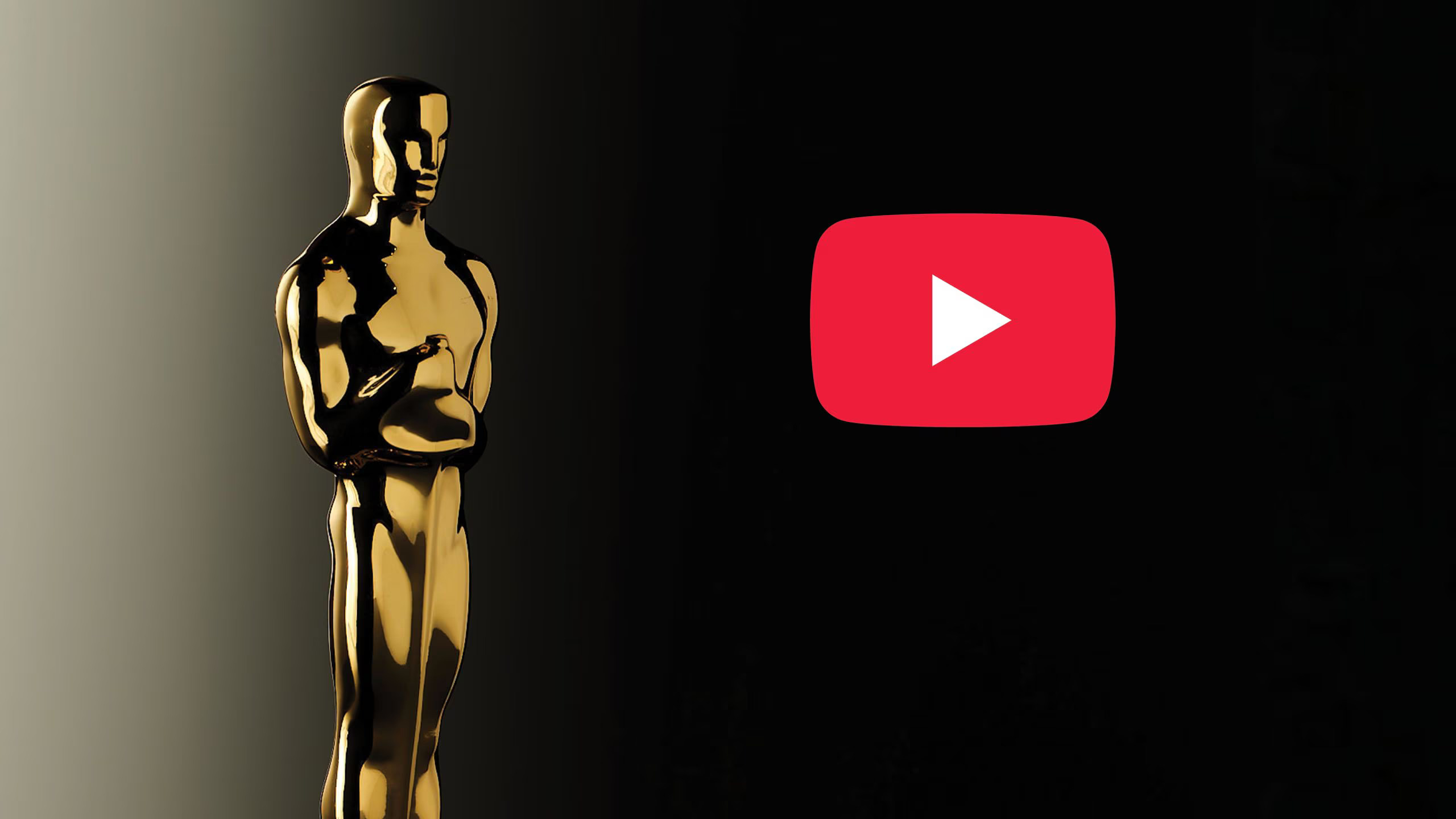
UPDATE: The Academy has just announced a groundbreaking shift: starting in 2029, the Oscars will stream exclusively on YouTube through 2033. This significant move aims to enhance global accessibility, but critical questions linger about the implications for viewers and the tradition of the awards.
The shift from traditional broadcasting to a streaming platform raises urgent concerns about advertising. While the ceremony will be free to watch, YouTube’s business model relies heavily on ads. Will audiences face pre-roll ads, mid-ceremony interruptions, or real-time algorithmic breaks? The Academy assures that winners will no longer be cut off mid-speech by orchestral music, yet the potential for interruptions from targeted ads remains a troubling possibility.
Another pressing question is the choice of presenters. Will the Academy keep its A-list stars, or will influencers like Mr. Beast and Logan Paul take the stage? YouTube is home to a new generation of content creators with massive followings, and this could signify a shift towards influencer culture, challenging the traditional nature of the Oscars.
Production quality is also a concern. The Oscars have relied on veteran producers skilled in live television, but YouTube content has its own aesthetics and rules. Will the Academy hire experienced producers to maintain quality, or embrace YouTube’s unique format? The potential for chaotic production choices is enormous, echoing memories of the controversial Steven Soderbergh-produced pandemic ceremony.
Critics worry about the artistic integrity of the Oscars. This move targets a younger, global audience, but many industry leaders fear the Oscars could lose their prestige, especially when placed alongside unrelated YouTube content. The delicate balance between celebrating cinema and appealing to a digital audience may lead to conflict among seasoned filmmakers.
The Academy’s new direction also raises questions about duration. Without the constraints of traditional broadcasting, will the Oscars become longer? Could we see six-hour ceremonies instead of the expected three-to-four-hour format? The assumption that removing time limits increases quality ignores the discipline that such constraints often enforce.
Moreover, many viewers, particularly older populations and those in rural areas, still rely on traditional broadcasting through ABC. The move to YouTube may leave these audiences behind. Will the Academy create sub-licensing deals to allow local affiliates to air the show? This vital question remains unanswered as the focus shifts towards online accessibility.
Finally, the live comments section poses a significant risk. YouTube’s moderation tools are far from perfect, and the risk of toxic commentary during the ceremony is high. The Academy could face a backlash if the discourse becomes chaotic, damaging its public image.
As this situation develops, audiences and industry professionals alike should brace for a transformative Oscars experience. The potential for both innovation and chaos hangs in the balance as the Academy prepares for its most radical reinvention in a century. Stay tuned for more updates as the Academy navigates this new digital frontier.

San Francisco Investigates City Worker Scam Amid RV Tows

Lane Kiffin Chooses LSU Over Florida in Bold Coaching Move

Trae Young to Sit Out vs. Spurs Due to Knee Injury Management

Alabama Battles Oklahoma in Thrilling College Football Playoff Showdown

Northampton County Man Sentenced to Up to 500 Years for Child Abuse

St. Cloud Autism Center Owner Faces $6 Million Fraud Charges

Netflix Launches Three New Original Films for Subscribers

Woman Seeks Respectful Responses to Weight-Loss Questions

Discover 2025’s Most Impactful Books That Captivate Readers

University of Hawaiʻi Joins $25.6M AI Project to Monitor Disasters

Foreign Inflows into Japan Stocks Surge to ¥1.34 Trillion

BOYNEXTDOOR’s Jaehyun Faces Backlash Amid BTS-TWICE Controversy

Boeing’s Merger with McDonnell Douglas: A Strategic Move Explained

Carson Wentz Out for Season After Shoulder Surgery: Urgent Update

Sydney Sweeney Embraces Body Positivity Amid Hollywood Challenges

Marc Buoniconti’s Legacy: 40 Years Later, Lives Transformed

Kelsea Ballerini Launches ‘Burn the Baggage’ Candle with Ranger Station

Innovative Surgery Restores Confidence for Breast Cancer Patients
-
Science2 months ago
University of Hawaiʻi Joins $25.6M AI Project to Monitor Disasters
-
Business2 months ago
Foreign Inflows into Japan Stocks Surge to ¥1.34 Trillion
-
 Top Stories2 months ago
BOYNEXTDOOR’s Jaehyun Faces Backlash Amid BTS-TWICE Controversy
-
 World2 months ago
Boeing’s Merger with McDonnell Douglas: A Strategic Move Explained
-
 Top Stories2 months ago
Carson Wentz Out for Season After Shoulder Surgery: Urgent Update
-
 Entertainment2 months ago
Sydney Sweeney Embraces Body Positivity Amid Hollywood Challenges
-
 Top Stories2 months ago
Marc Buoniconti’s Legacy: 40 Years Later, Lives Transformed
-
 Lifestyle2 months ago
Kelsea Ballerini Launches ‘Burn the Baggage’ Candle with Ranger Station
-
 Health2 months ago
Innovative Surgery Restores Confidence for Breast Cancer Patients
-

 Sports2 months ago
Steve Kerr Supports Jonathan Kuminga After Ejection in Preseason Game
-

 Entertainment2 months ago
Zoe Saldana Advocates for James Cameron’s Avatar Documentary
-
 Lifestyle2 months ago
Dua Lipa Celebrates Passing GCSE Spanish During World Tour