
Politics
Trump Administration Doubles Travel Ban, Adds 20 Countries

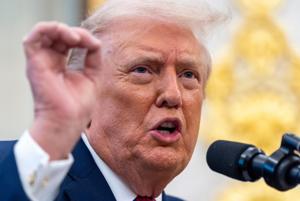
The Trump administration announced on March 1, 2024, an expansion of travel restrictions that now includes an additional 20 countries. This decision effectively doubles the number of nations affected by previous immigration limits, raising the total to 40. The administration cites heightened national security concerns as the primary reason for this significant expansion.
According to the Department of Homeland Security, the updated restrictions are intended to mitigate risks associated with potential threats from these countries. The specific nations added to the travel ban include several from Africa, the Middle East, and Asia. This move aims to enhance security measures and protect U.S. citizens from perceived threats.
The administration has faced criticism regarding previous travel restrictions, which have been labeled as discriminatory by various advocacy groups. They argue that these bans unfairly target specific countries and populations. In light of the latest announcement, many are questioning the administration’s approach to immigration and national security.
Details of the Travel Ban Expansion
While the full list of the additional countries has not been officially disclosed, sources within the administration have indicated that nations facing internal conflict or those with ties to terrorist organizations are likely included. The administration has emphasized that these measures are crucial to safeguarding the homeland.
In a statement, a senior official from the Department of Homeland Security asserted that “this expansion is a necessary step in our ongoing efforts to protect the American people.” The official highlighted that thorough evaluations of each country’s security situation were conducted before deciding on the expansion.
The travel restrictions will impact a variety of visa categories, including tourist, student, and work visas. Individuals from these countries will face prolonged scrutiny and additional requirements before being allowed entry into the United States.
Reactions and Implications
Reactions to the expanded travel ban have varied widely. Advocates for immigrant rights have condemned the move, arguing that it perpetuates a cycle of discrimination against certain nationalities. Organizations such as the American Civil Liberties Union (ACLU) are preparing to challenge the ban in court, citing possible violations of constitutional rights.
On the other hand, supporters of the ban argue that national security must take precedence. They contend that the administration is justified in taking strong measures to prevent any potential threats from entering the country. The debate surrounding these restrictions highlights the ongoing tension between national security and immigration policies in the United States.
As this situation evolves, the implications for U.S. foreign relations are also significant. Diplomatic ties with the affected countries may become strained, as leaders express their concerns over the travel restrictions. The long-term effects on tourism, international business, and educational exchanges remain to be seen.
In conclusion, the Trump administration’s decision to double the travel ban by including an additional 20 countries marks a pivotal moment in U.S. immigration policy. As the discourse surrounding national security and immigration continues, the evolving landscape will likely influence future policies and international relations.

Travis Kelce Reacts to Chiefs’ Heartbreaking Playoff Exit

German Automakers Face Off Against Chinese Rivals in Urgent Race

Czech National Bank Increases Stake in Booking Holdings by 3.5%

Jennifer Lawrence Playfully Questions Leonardo DiCaprio on Past Nude Scenes

BioNTech Completes Acquisition of CureVac to Enhance mRNA Technology

Navigating Sibling Comments and Holiday Plans with Grace

Chesley Taft & Associates Cuts Stake in Zoetis by Over 61%

Researchers Launch G2PDeep, a Game-Changing AI Platform for Health

Floyd County Board Approves Key Fire Safety Measures in Wind Ordinance

University of Hawaiʻi Joins $25.6M AI Project to Monitor Disasters

Foreign Inflows into Japan Stocks Surge to ¥1.34 Trillion

BOYNEXTDOOR’s Jaehyun Faces Backlash Amid BTS-TWICE Controversy

Boeing’s Merger with McDonnell Douglas: A Strategic Move Explained

Carson Wentz Out for Season After Shoulder Surgery: Urgent Update

Marc Buoniconti’s Legacy: 40 Years Later, Lives Transformed

Sydney Sweeney Embraces Body Positivity Amid Hollywood Challenges

Kelsea Ballerini Launches ‘Burn the Baggage’ Candle with Ranger Station

Innovative Surgery Restores Confidence for Breast Cancer Patients
-
Science2 months ago
University of Hawaiʻi Joins $25.6M AI Project to Monitor Disasters
-
Business2 months ago
Foreign Inflows into Japan Stocks Surge to ¥1.34 Trillion
-
 Top Stories2 months ago
BOYNEXTDOOR’s Jaehyun Faces Backlash Amid BTS-TWICE Controversy
-
 World2 months ago
Boeing’s Merger with McDonnell Douglas: A Strategic Move Explained
-
 Top Stories2 months ago
Carson Wentz Out for Season After Shoulder Surgery: Urgent Update
-
 Top Stories2 months ago
Marc Buoniconti’s Legacy: 40 Years Later, Lives Transformed
-
 Entertainment2 months ago
Sydney Sweeney Embraces Body Positivity Amid Hollywood Challenges
-
 Lifestyle2 months ago
Kelsea Ballerini Launches ‘Burn the Baggage’ Candle with Ranger Station
-
 Health2 months ago
Innovative Surgery Restores Confidence for Breast Cancer Patients
-

 Sports2 months ago
Steve Kerr Supports Jonathan Kuminga After Ejection in Preseason Game
-

 Entertainment2 months ago
Zoe Saldana Advocates for James Cameron’s Avatar Documentary
-

 Science2 months ago
Chicago’s Viral ‘Rat Hole’ Likely Created by Squirrel, Study Reveals