
World
Mass Protests in Bulgaria Demand Action Against Corruption

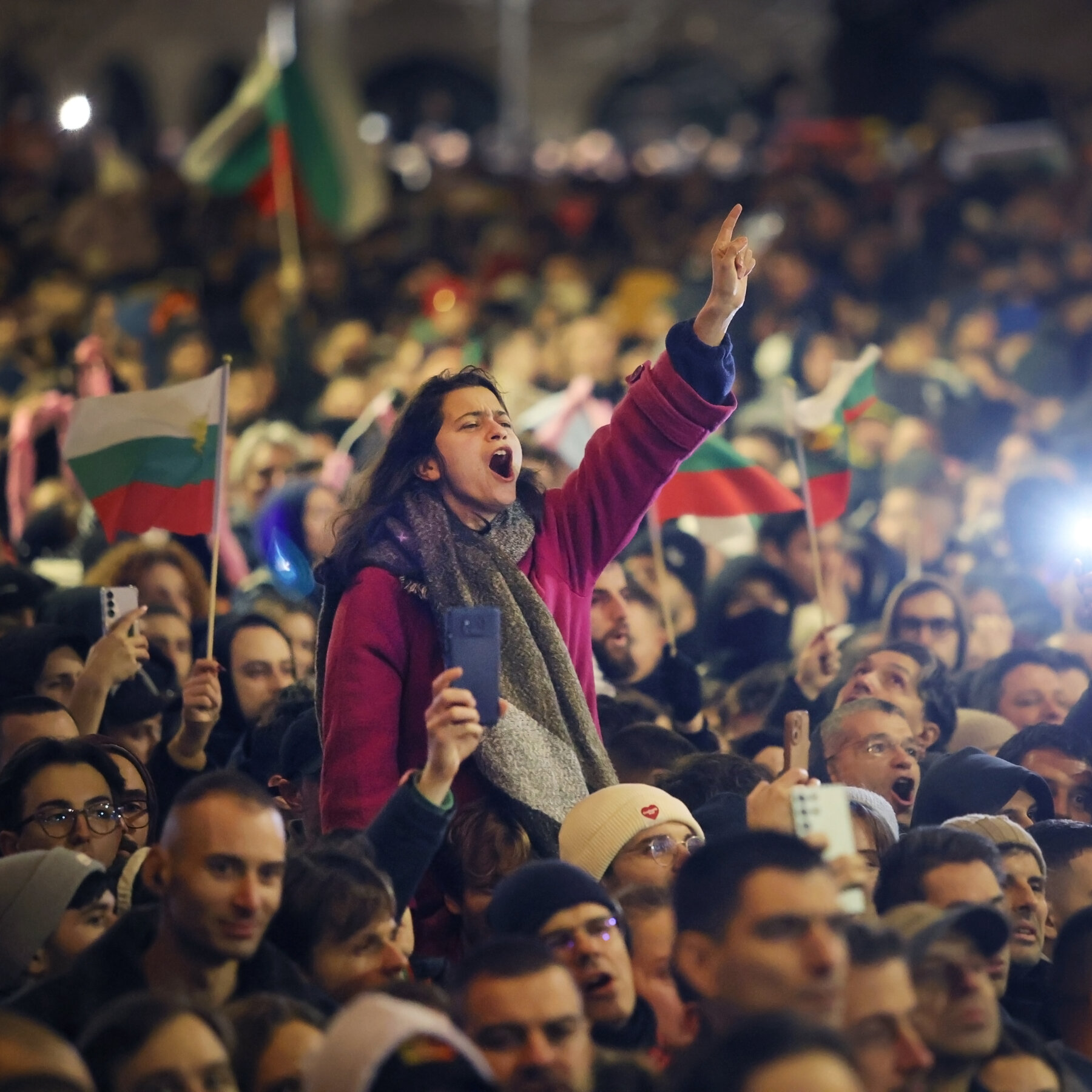
Mass protests erupted across Bulgaria in July 2023, driven by widespread anger over corruption that many citizens believe is enabling an authoritarian power grab. The demonstrations, which drew thousands to the streets of major cities, were fueled by allegations of high-level graft and mismanagement, prompting a public outcry for accountability and reform.
The movement, characterized by the slogan “Don’t Feed the Pig,” emerged as a direct response to perceived government inaction on corruption. Protesters expressed frustration over the lack of transparency in the Bulgarian National Assembly and demanded the resignation of key officials implicated in corrupt practices. The demonstrations highlighted a growing discontent with the government’s handling of issues ranging from economic inequality to judicial independence.
Public Outcry and Demands for Change
During the protests, participants carried banners and chanted slogans calling for justice and reform. The unrest was not an isolated event; it reflected a broader trend of dissent against corrupt practices in Eastern Europe. Many Bulgarians feel that their country, which joined the European Union in 2007, has not seen the expected benefits of membership, particularly in terms of governance and rule of law.
According to the Bulgarian National Institute of Statistics, corruption remains a significant issue, with many citizens citing it as a barrier to economic development. As a result, frustration has been mounting, leading to a surge in public demonstrations. Protesters are not only calling for the resignation of government officials but also for systemic changes to ensure accountability and transparency.
The Response from Authorities and Future Implications
In response to the protests, government officials have acknowledged the public’s concerns. Prime Minister Galab Donev stated that the government is committed to addressing issues related to corruption and has promised reforms. However, many protesters remain skeptical, citing previous government assurances that have not led to substantial change.
The ongoing protests in Bulgaria could have significant implications for the region. Observers suggest that if the demonstrations continue to gain momentum, they may lead to a shift in power dynamics within the government. Additionally, the protests have drawn attention from international organizations, including the European Union, which has expressed concern over the state of democracy and governance in Bulgaria.
As the situation unfolds, the Bulgarian public remains vigilant, demanding not only accountability from their leaders but also a commitment to a more transparent and democratic government. The outcome of these protests could set a precedent for political movements across Eastern Europe, as citizens increasingly assert their rights in the face of corruption and authoritarianism.

Senators Renew Bipartisan Efforts to Extend ACA Subsidies Ahead of Deadline

Breakthrough in T Cell Research Could Revolutionize Cancer Treatment

Shute and Heerema Dominate El Rancho Golf Club’s Year-End Tournament

Data Breach at South Korea’s Major Online Retailer Exposes Millions

Chico Poet Reflects on Life and Joy in New Year Poetry Release

North Port Chamber Achieves Record Fundraising for Community Program

December 16 Birthdays: Celebrities Reflect on Inner Insights

Suicide Bomber Kills Five Soldiers in Nigeria’s Northeast

Greenville High Students Enjoy Festive Holiday Dinner Today

University of Hawaiʻi Joins $25.6M AI Project to Monitor Disasters

Foreign Inflows into Japan Stocks Surge to ¥1.34 Trillion

BOYNEXTDOOR’s Jaehyun Faces Backlash Amid BTS-TWICE Controversy

Carson Wentz Out for Season After Shoulder Surgery: Urgent Update

Marc Buoniconti’s Legacy: 40 Years Later, Lives Transformed

Boeing’s Merger with McDonnell Douglas: A Strategic Move Explained

Sydney Sweeney Embraces Body Positivity Amid Hollywood Challenges

Kelsea Ballerini Launches ‘Burn the Baggage’ Candle with Ranger Station

Innovative Surgery Restores Confidence for Breast Cancer Patients
-
Science1 month ago
University of Hawaiʻi Joins $25.6M AI Project to Monitor Disasters
-
Business2 months ago
Foreign Inflows into Japan Stocks Surge to ¥1.34 Trillion
-
 Top Stories2 months ago
BOYNEXTDOOR’s Jaehyun Faces Backlash Amid BTS-TWICE Controversy
-
 Top Stories2 months ago
Carson Wentz Out for Season After Shoulder Surgery: Urgent Update
-
 Top Stories2 months ago
Marc Buoniconti’s Legacy: 40 Years Later, Lives Transformed
-
 World2 months ago
Boeing’s Merger with McDonnell Douglas: A Strategic Move Explained
-
 Entertainment2 months ago
Sydney Sweeney Embraces Body Positivity Amid Hollywood Challenges
-
 Lifestyle2 months ago
Kelsea Ballerini Launches ‘Burn the Baggage’ Candle with Ranger Station
-
 Health2 months ago
Innovative Surgery Restores Confidence for Breast Cancer Patients
-

 Sports2 months ago
Steve Kerr Supports Jonathan Kuminga After Ejection in Preseason Game
-

 Lifestyle2 months ago
Dua Lipa Celebrates Passing GCSE Spanish During World Tour
-

 Entertainment2 months ago
Zoe Saldana Advocates for James Cameron’s Avatar Documentary