
World
Emirates Pushes for Boeing 777-10 Amid A380 Replacement Needs

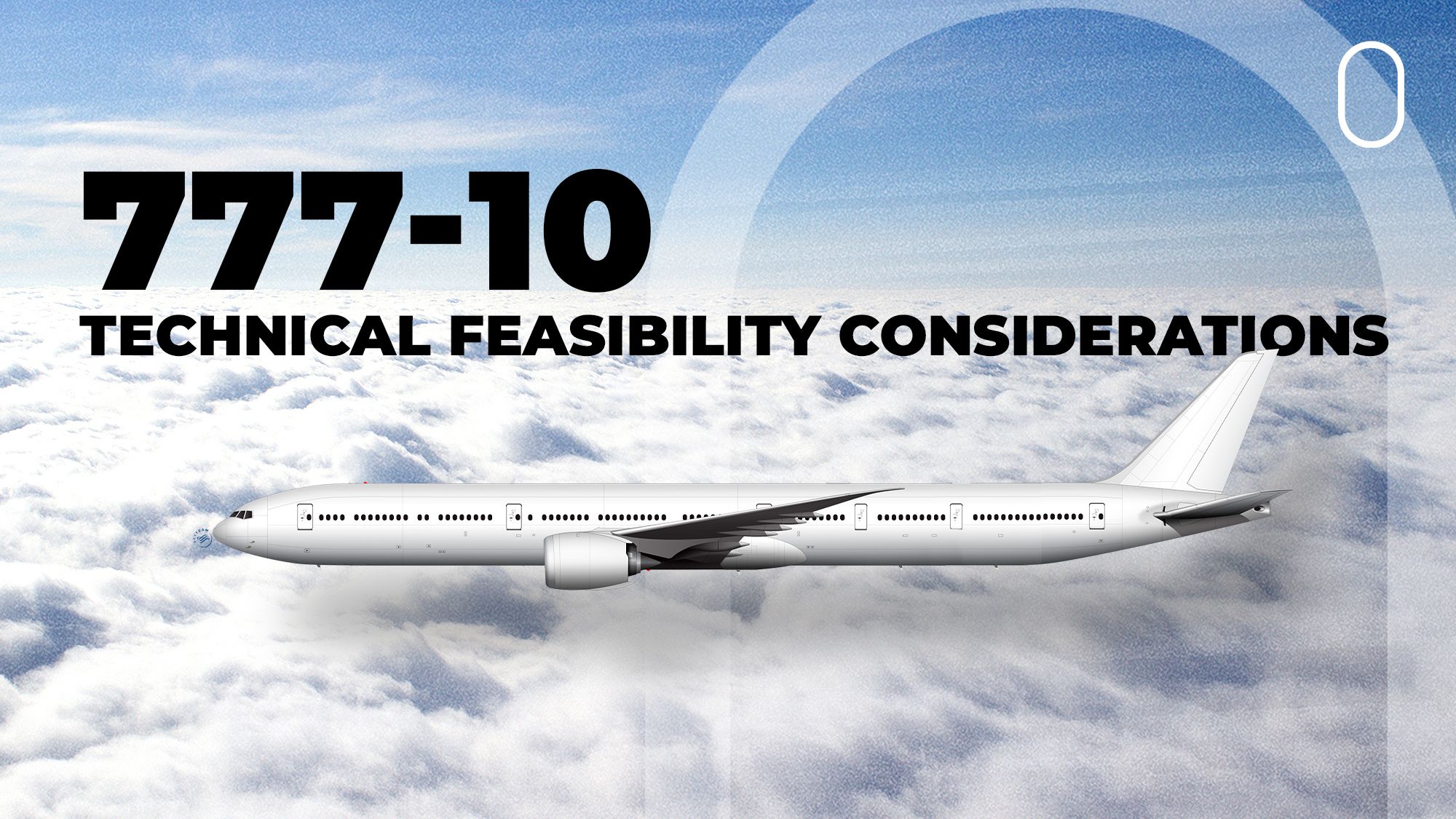
The aviation industry is witnessing a significant demand from Emirates for the development of a new Boeing 777-10 variant. This aircraft would aim to serve as a replacement for the aging Airbus A380 fleet as it nears the end of its operational life. The need for a larger, more efficient aircraft has become increasingly pressing, particularly as Emirates seeks to enhance its long-haul capabilities.
A replacement for the Airbus A380 is not simply a matter of extending the fuselage. Various factors must be considered in the development of the 777-10 to ensure it meets the operational demands of major airlines. The A380, known for its spaciousness and capacity, has been a staple in Emirates’ fleet, but as the airline prepares for the future, it requires a model that can match or exceed the A380’s performance metrics.
Critical Considerations for Development
To successfully create the Boeing 777-10, several key requirements must be addressed. First, the aircraft must offer enhanced fuel efficiency. Airlines are increasingly focused on sustainability and operational cost reductions. According to industry analysts, incorporating advanced materials and aerodynamics will be crucial to achieving this goal.
Next, the 777-10’s passenger capacity must be optimized. The A380 can accommodate approximately 555 passengers in a typical two-class configuration. Emirates will expect the new model to provide a competitive capacity, potentially exceeding 600 seats without compromising comfort. This balance between capacity and passenger experience will be critical for the aircraft’s success in the market.
Moreover, technological advancements in avionics and engine performance will play a significant role in the design of the 777-10. The integration of next-generation engines could lead to significant reductions in fuel consumption and emissions, aligning with global trends in aviation towards greener alternatives.
The Competitive Landscape
Emirates’ push for the Boeing 777-10 comes at a time when the competition in the aviation sector is intensifying. Other manufacturers, such as Airbus, are also working on new models that cater to similar market needs. The introduction of the A350 XWB has already set a high bar for efficiency and comfort.
In this context, Boeing must ensure that the 777-10 not only meets Emirates’ requirements but also stands out against rival offerings. The ability to deliver a timely and cost-effective solution will be critical. Analysts anticipate that if Boeing can successfully develop the 777-10, it could solidify its position in the long-haul aircraft market.
As the discussions progress, stakeholders are closely monitoring Boeing’s response to Emirates’ demands. The timeline for the 777-10’s development remains uncertain, but industry experts suggest that a prototype could emerge in the next few years, with potential deliveries beginning as early as 2028.
In summary, the development of the Boeing 777-10 is not only about creating a new aircraft but also about addressing the evolving needs of airlines like Emirates. With critical considerations in fuel efficiency, passenger capacity, and technological advancements, Boeing faces both challenges and opportunities in shaping the future of long-haul aviation.

Mayor Names Alan Wong as District 4 Supervisor Amid Controversy

Study Reveals Nitrous Oxide’s Potential in Treating Depression

Walmart Launches Massive Cyber Monday Sales Starting at $5

Rep. Don Bacon Criticizes White House for Lack of Clarity on Ukraine

UK Report Reveals Rise of AI in University Research Evaluation

Florida Hires Jon Sumrall as Head Coach: Implications for FSU Football

Trump Promises to Release MRI Results from October Scan

South Korea Implements Urgent FX Oversight Amid Market Instability

Tampa Lights Up Riverwalk for Holidays with Grand Tree Lighting

University of Hawaiʻi Joins $25.6M AI Project to Monitor Disasters

Foreign Inflows into Japan Stocks Surge to ¥1.34 Trillion

BOYNEXTDOOR’s Jaehyun Faces Backlash Amid BTS-TWICE Controversy

Carson Wentz Out for Season After Shoulder Surgery: Urgent Update

Marc Buoniconti’s Legacy: 40 Years Later, Lives Transformed

Innovative Surgery Restores Confidence for Breast Cancer Patients

Steve Kerr Supports Jonathan Kuminga After Ejection in Preseason Game

Kelsea Ballerini Launches ‘Burn the Baggage’ Candle with Ranger Station

Chicago’s Viral ‘Rat Hole’ Likely Created by Squirrel, Study Reveals
-
Science4 weeks ago
University of Hawaiʻi Joins $25.6M AI Project to Monitor Disasters
-
Business1 month ago
Foreign Inflows into Japan Stocks Surge to ¥1.34 Trillion
-
 Top Stories1 month ago
BOYNEXTDOOR’s Jaehyun Faces Backlash Amid BTS-TWICE Controversy
-
 Top Stories1 month ago
Carson Wentz Out for Season After Shoulder Surgery: Urgent Update
-
 Top Stories1 month ago
Marc Buoniconti’s Legacy: 40 Years Later, Lives Transformed
-
 Health1 month ago
Innovative Surgery Restores Confidence for Breast Cancer Patients
-
 Sports2 months ago
Steve Kerr Supports Jonathan Kuminga After Ejection in Preseason Game
-
 Lifestyle2 months ago
Kelsea Ballerini Launches ‘Burn the Baggage’ Candle with Ranger Station
-
 Science2 months ago
Chicago’s Viral ‘Rat Hole’ Likely Created by Squirrel, Study Reveals
-

 Lifestyle2 months ago
Dua Lipa Celebrates Passing GCSE Spanish During World Tour
-

 Entertainment2 months ago
Zoe Saldana Advocates for James Cameron’s Avatar Documentary
-

 Politics2 months ago
Dallin H. Oaks Assumes Leadership of Latter-day Saints Church