
Top Stories
Windows Crushes macOS: User Sticks with Windows After MacBook Test

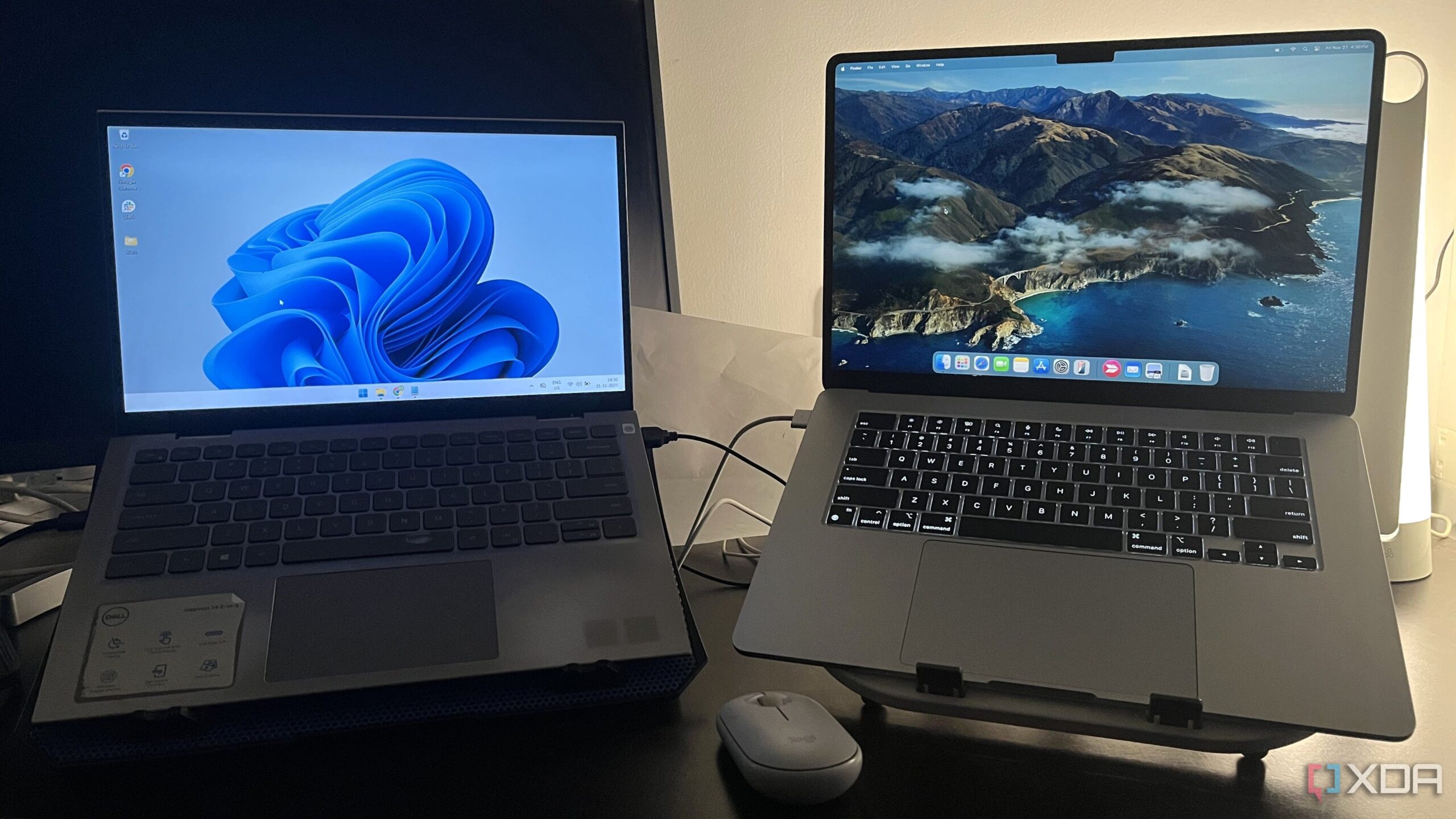
URGENT UPDATE: A new user experience reveals why many are still choosing Windows over macOS, even after testing the latest MacBook. Just months into using Apple’s laptop, one user highlights significant compatibility and customization issues that continue to favor Windows.
After transitioning to a MacBook, the user faced hurdles familiarizing themselves with macOS. In a matter of weeks, they discovered the strengths of Apple’s ecosystem but ultimately found themselves returning to their Windows device. This reflects a broader trend where, despite Apple’s powerful performance, many users remain loyal to Windows, which still commands a significant market share.
The user cites a critical downside to macOS: lack of software options. Key tools like ShareX, a popular screen capture software, are unavailable on macOS. While Apple offers basic utilities, they lack the extensive features that Windows users have come to rely on. This gap in software availability directly impacts productivity for many professionals.
Compatibility is another major concern. Windows supports a wider range of hardware and software, allowing users to maximize their productivity. With features like Compatibility Mode, Windows users can run older software without issues—something macOS struggles with. This is particularly important for users who rely on legacy applications for their work.
Cost is a significant factor as well. Windows-compatible hardware is often more affordable, with options available for as little as $10. In contrast, macOS hardware tends to be overpriced, limiting choices for budget-conscious consumers.
Repairability is also a key issue. MacBooks are known for their soldered components, making upgrades and repairs difficult. The user recently upgraded their 12-year-old Windows laptop from an HDD to an SSD, significantly boosting performance. This level of customization is simply not possible with a MacBook, where reliance on authorized service centers is the norm.
Customization continues to be a major advantage for Windows. Users can easily modify the interface, thanks to utilities like Microsoft PowerToys. The MacBook, however, offers limited options for personalization, which many users find frustrating.
Despite its shortcomings, macOS does shine in performance metrics. The user reported that their MacBook Air consistently outperformed their Dell 2-in-1 in terms of speed and efficiency, particularly in boot time and heat management. However, this performance gap may not be substantial enough for everyday users who prioritize versatility and compatibility.
After six months of using both systems, the user concluded that Windows remains the superior choice for the average consumer. While macOS excels in certain areas, the overall experience underscored why Windows remains the preferred operating system globally.
“I am not disappointed with the MacBook,” the user stated. “But I realize why Windows is the go-to choice for many.” They expressed a willingness to reconsider their choice if Apple ever introduces touchscreen functionality to its laptops.
In a rapidly evolving tech landscape, this user experience serves as a reminder of the enduring strengths of Windows, especially for professionals and everyday users who value compatibility, customization, and cost-effectiveness. As the tech community watches closely, it will be interesting to see how Apple responds to these challenges moving forward.

Urgent: 18-Year-Old Killed in Triple Shooting in Bronzeville

Shark Teeth Reveal Urgent Insights to Prevent Extinction

Englewood Church Members Reunite After Thanksgiving Fire

Mayor Names Alan Wong as District 4 Supervisor Amid Controversy

Study Reveals Nitrous Oxide’s Potential in Treating Depression

Walmart Launches Massive Cyber Monday Sales Starting at $5

Rep. Don Bacon Criticizes White House for Lack of Clarity on Ukraine

UK Report Reveals Rise of AI in University Research Evaluation

Florida Hires Jon Sumrall as Head Coach: Implications for FSU Football

University of Hawaiʻi Joins $25.6M AI Project to Monitor Disasters

Foreign Inflows into Japan Stocks Surge to ¥1.34 Trillion

BOYNEXTDOOR’s Jaehyun Faces Backlash Amid BTS-TWICE Controversy

Carson Wentz Out for Season After Shoulder Surgery: Urgent Update

Marc Buoniconti’s Legacy: 40 Years Later, Lives Transformed

Innovative Surgery Restores Confidence for Breast Cancer Patients

Steve Kerr Supports Jonathan Kuminga After Ejection in Preseason Game

Kelsea Ballerini Launches ‘Burn the Baggage’ Candle with Ranger Station

Chicago’s Viral ‘Rat Hole’ Likely Created by Squirrel, Study Reveals
-
Science4 weeks ago
University of Hawaiʻi Joins $25.6M AI Project to Monitor Disasters
-
Business1 month ago
Foreign Inflows into Japan Stocks Surge to ¥1.34 Trillion
-
 Top Stories1 month ago
BOYNEXTDOOR’s Jaehyun Faces Backlash Amid BTS-TWICE Controversy
-
 Top Stories1 month ago
Carson Wentz Out for Season After Shoulder Surgery: Urgent Update
-
 Top Stories1 month ago
Marc Buoniconti’s Legacy: 40 Years Later, Lives Transformed
-
 Health1 month ago
Innovative Surgery Restores Confidence for Breast Cancer Patients
-
 Sports2 months ago
Steve Kerr Supports Jonathan Kuminga After Ejection in Preseason Game
-
 Lifestyle2 months ago
Kelsea Ballerini Launches ‘Burn the Baggage’ Candle with Ranger Station
-
 Science2 months ago
Chicago’s Viral ‘Rat Hole’ Likely Created by Squirrel, Study Reveals
-

 Lifestyle2 months ago
Dua Lipa Celebrates Passing GCSE Spanish During World Tour
-

 Entertainment2 months ago
Zoe Saldana Advocates for James Cameron’s Avatar Documentary
-

 Politics2 months ago
Dallin H. Oaks Assumes Leadership of Latter-day Saints Church